Treasury Could Tap Its $1tn General Account to Fund Bond Buybacks
Two senior officials say the TGA is available — considerable firepower for influencing long-term yields, and a change from what markets assumed.
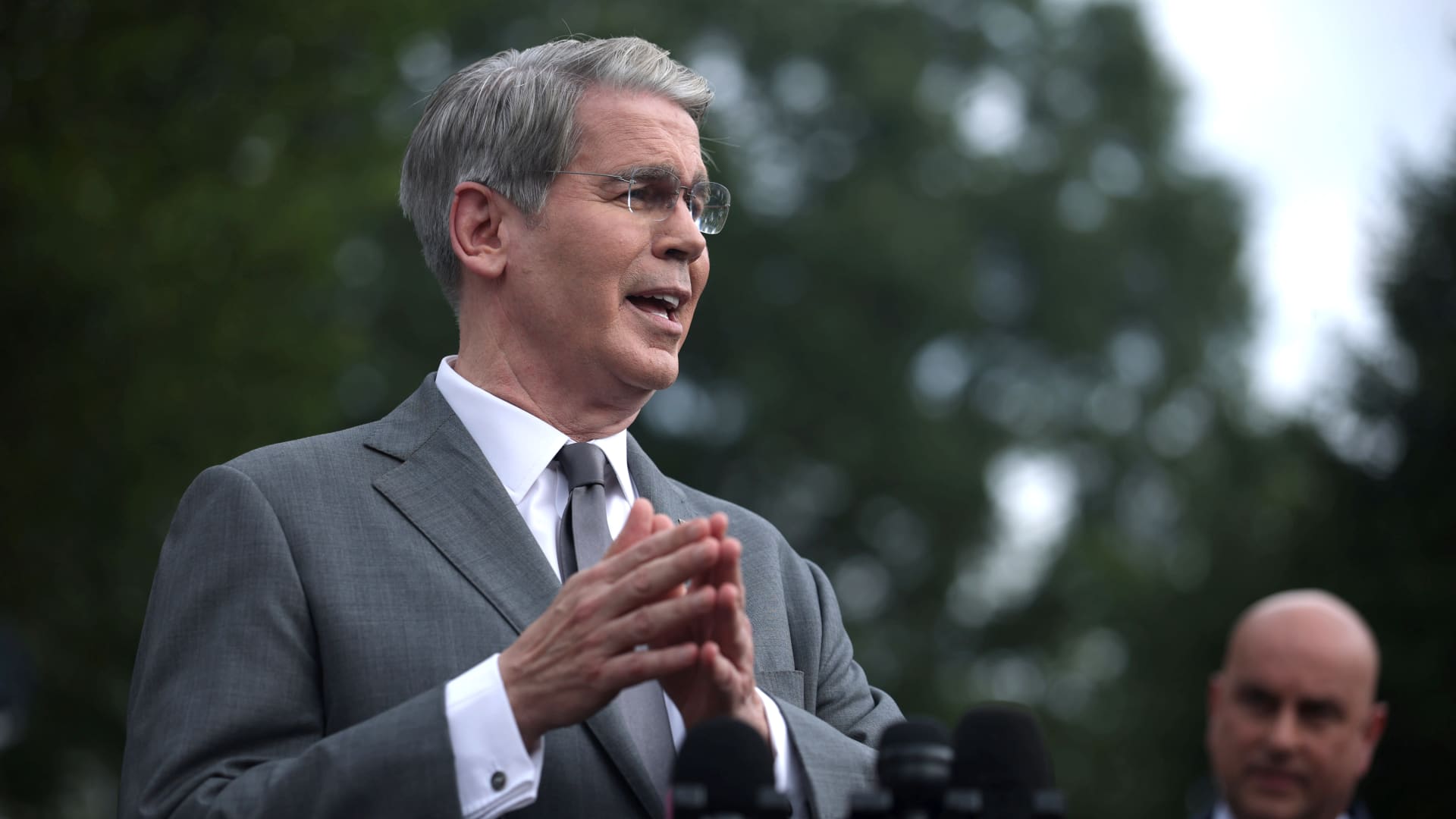
The Treasury could use its nearly $1tn General Account to help fund its expanded purchases of government bonds, according to two senior Treasury officials.
That would give the department considerable firepower to influence long-term yields.
The gap markets had filled in themselves
Treasury surprised markets by announcing it would double buybacks of off-the-run long-end securities from $2bn to at least $4bn, with Bessent saying on CNBC the operations could be larger still. It said nothing about how they would be funded.
Most participants assumed short-term bill sales. The officials did not rule that out, and Bessent's own description — a "Treasury Twist," echoing operations where long-dated debt is bought and paid for with short-term issuance — pointed the same way.
Why the funding source changes the trade
The two mechanisms are not equivalent, which is why the detail matters.
Funding buybacks with bill issuance is a swap: long-dated debt comes out of the market, short-dated debt goes in. The net supply is unchanged and the effect works through duration.
Drawing on the TGA is different. That is existing cash leaving the government's account and entering the market, adding liquidity rather than shifting its composition — closer in effect to easing than to a maturity swap, and executed by Treasury rather than the Fed.
Since the surprise announcement, bonds have given back their initial rally, which suggests the market has been working through exactly this question.
More from peatpost

Real Estate Market Forecast 2026: U.S., Spain, Italy and Switzerland Face a Changing Landscape as Crypto Enters the Property Market
Global housing markets diverge in 2026 as mortgage rates ease, supply shortages persist, and blockchain-based transactions move from pilot projects toward mainstream adoption.
Clarity Act Odds More Than Doubled to 31% as Trump Reportedly Backed Ethics Limits
The crypto market structure bill needed 60 Senate votes to reach floor debate; supporters likely required nine Democrats, and none had publicly committed.

India to push BRICS digital currency link despite hurdles, sources say
India is chairing BRICS this year, with leaders of the bloc set to meet in New Delhi on September 12 to 13.
Discussion
0 commentsNo comments yet — be the first to weigh in.