The Chip Crash Is Redrawing Bitcoin Miners' AI Pivot Math
Miners spent two years selling megawatts to the AI boom. July's $2 trillion semiconductor rout is forcing a rethink of what that optionality is worth.
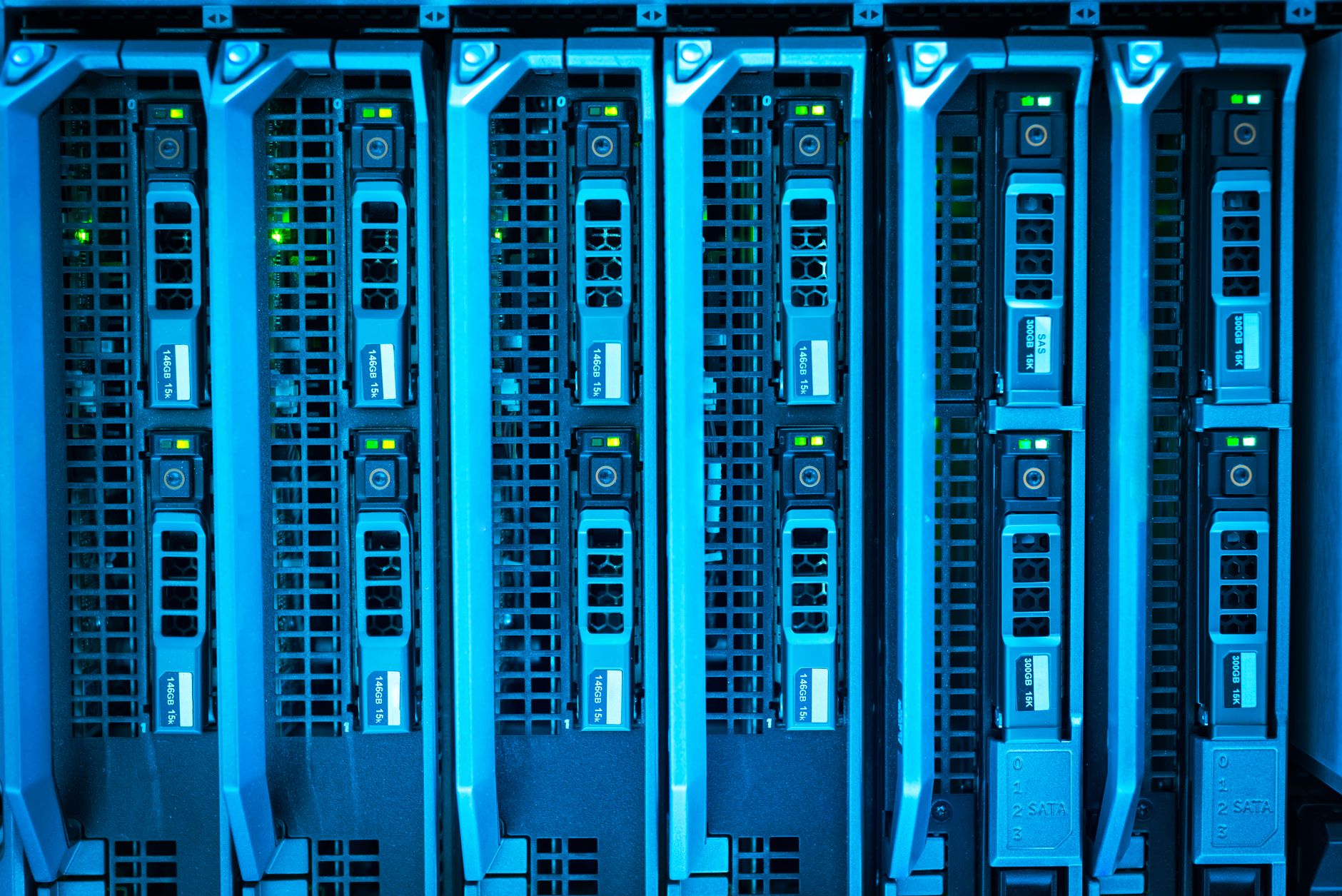
For two years, the smartest trade in Bitcoin mining was not mining — it was real estate. Miners with big grid connections discovered their megawatts were worth more hosting AI workloads than hashing blocks, and the sector's equity story quietly became a data-center story. July's semiconductor rout is the first serious stress test of that thesis.
The numbers behind the rethink: the Philadelphia Semiconductor Index fell 21% in July, its worst month since 2008, erasing over $2 trillion in value on fears that AI infrastructure spending is peaking faster than expected. Meta's move to sell surplus AI capacity through a new cloud arm reframed the market's assumption of infinite compute scarcity overnight.
What it means for the pivot
The miner-AI marriage was built on that scarcity. Hyperscalers and AI labs paid premium rates for powered land and rapid deployment because capacity anywhere, at any price, was the binding constraint. If surplus capacity is now being resold by the largest builders, the scarcity premium — the thing miners were actually selling — compresses.
This does not kill the pivot. Contracts already signed carry their terms, power remains genuinely scarce in key grids, and inference demand keeps growing even if training capex plateaus. But the negotiating leverage has shifted for deals not yet signed, and mining executives who spent 2025 being courted may find the courtship cooler.
The irony of the moment
The twist is that Bitcoin itself chose this month to rip. With BTC pushing toward $80,000, the boring legacy business — plugging in ASICs and hashing — has repriced upward at precisely the moment the glamorous alternative repriced down. Post-halving economics remain unforgiving, and difficulty sits near records, but the revenue-per-megawatt comparison between hashing and hosting has narrowed from both directions.
The likely equilibrium is what it always was: diversified miners running both loads, arbitraging their power between them. The difference after July is that nobody will call the AI side the safe half again.
More from peatpost
Marathon Earnings Beat on AI Diversification as Pure-Play Mining Margin Narrows
MARA reported a 12% revenue beat on Wednesday, driven largely by its HPC colocation business. Pure-play hash revenue margins compressed again, as they have every quarter since the halving.
Bitcoin Mining Difficulty Hits All-Time High Eleven Months After the Halving
The hashrate has fully absorbed the reward cut. New ASIC deployments in West Texas and Ethiopia are pushing the network's compute toward a new equilibrium.
Bitmain's S23 Pro Shortage Is Reshaping the ASIC Resale Market
Next-gen Antminer delivery timelines have slipped by an average of 11 weeks. Second-hand S21 Pros are trading at a premium. The supply chain story is, as usual, the real story.
Discussion
0 commentsNo comments yet — be the first to weigh in.