Brick Lane Fought a Data Centre and Lost
The council would have refused it. The secretary of state approved it anyway — and the site earmarked for 800 homes will deliver 44.
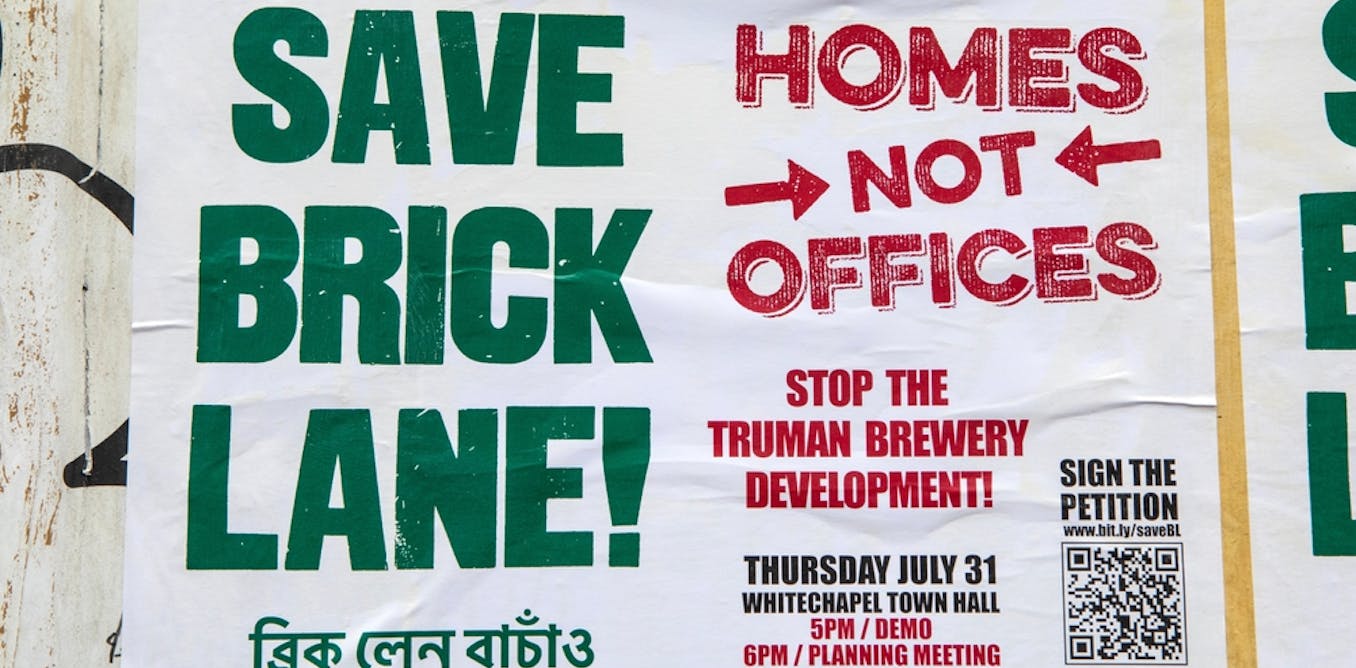
Plans for a data centre on the site of a historic former brewery in east London prompted significant local protest. Following planning reports and a public inquiry, the secretary of state overrode those concerns and approved the project.
The site
The Truman Brewery sits on Brick Lane, the street known for its curry houses and Bangladeshi community, and is a local landmark with a long history.
Founded in the 17th century, it expanded through the 18th and 19th centuries to meet demand for porter. Changing tastes and competition brought a long decline, and the brewery finally closed in 1989. After the site was bought for redevelopment in 1995 it became a creative hub, hosting galleries, studios, shops, restaurants, offices, markets and music venues.
A shopping centre proposed in 2021 for the underused parts of the estate drew opposition from residents, traders and heritage groups, produced the Save Brick Lane campaign, and did not proceed.
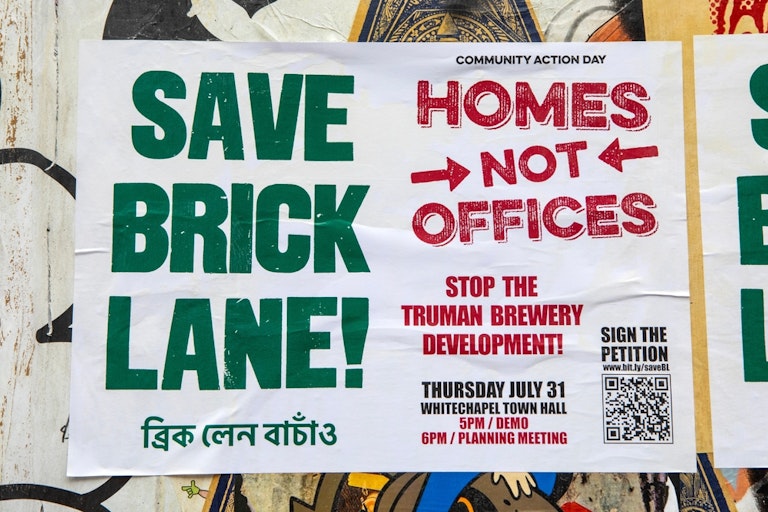
What was approved
The owners, Truman Estates, returned with a much broader master plan. In August 2024 they submitted applications for offices, retail, leisure, public space, housing and a 5,200 m², 3MW data centre.
During the planning process the data centre was characterised as fairly small, and by current standards it is: hyperscale facilities built for AI workloads run to tens or even hundreds of megawatts. Three megawatts is a modest building.
When Tower Hamlets council failed to determine the applications within the statutory period, Truman Estates lodged a non-determination appeal to the Planning Inspectorate. In July last year the council's Strategic Development Committee considered the applications; its own planning officers recommended approval, but councillors said they would have opposed the plans, citing the impact on local heritage and businesses and the limited amount of new housing.
The housing arithmetic
That last objection is the one that lingers.
Tower Hamlets has one of the most acute housing shortages in the country, and campaigners argued the plan was a missed opportunity to allocate urban land for social housing. The council's own local plan had earmarked the site for up to 800 homes.
The government gave that draft policy only "limited weight," having seen "no detailed evidence" that a housing-led alternative was viable. The approved scheme includes 44 apartments — 11 affordable, six for social rent.
Eight hundred to 44 is the entire dispute in two numbers. The developer was not required to prove that housing was unviable; the council was required to prove that it was, and did not.
The wider objection
Critics also questioned whether a dense urban neighbourhood is an appropriate place for a data centre at all, noting that such facilities can consume high volumes of water for cooling and draw significant power from a constrained local grid.
That argument is now being made in a growing number of places, and Brick Lane is unlikely to be the last. Data centres need land, power and connectivity, and the places that have all three tend to be places where people already live.
The precedent
The substantive outcome here is procedural. A local authority that missed a statutory deadline lost control of the decision; a draft local plan lost to an absence of viability evidence; and a national planning judgement overrode a unanimous local one.
For communities facing similar applications, the lesson is not that protest failed. It is that the argument had to be won on viability evidence, in a planning inquiry, long before anyone reached the street.
More from peatpost
Real Estate Market Forecast 2026: U.S., Spain, Italy and Switzerland Face a Changing Landscape as Crypto Enters the Property Market
Global housing markets diverge in 2026 as mortgage rates ease, supply shortages persist, and blockchain-based transactions move from pilot projects toward mainstream adoption.

Clarity Act Odds More Than Doubled to 31% as Trump Reportedly Backed Ethics Limits
The crypto market structure bill needed 60 Senate votes to reach floor debate; supporters likely required nine Democrats, and none had publicly committed.

India to push BRICS digital currency link despite hurdles, sources say
India is chairing BRICS this year, with leaders of the bloc set to meet in New Delhi on September 12 to 13.
Discussion
0 commentsNo comments yet — be the first to weigh in.