China Needs Dollars, and Is Building a Hedge Against Losing Them
Washington threatens to cut off anyone helping Iran evade sanctions. Beijing's largest banks have strong reasons not to test it.
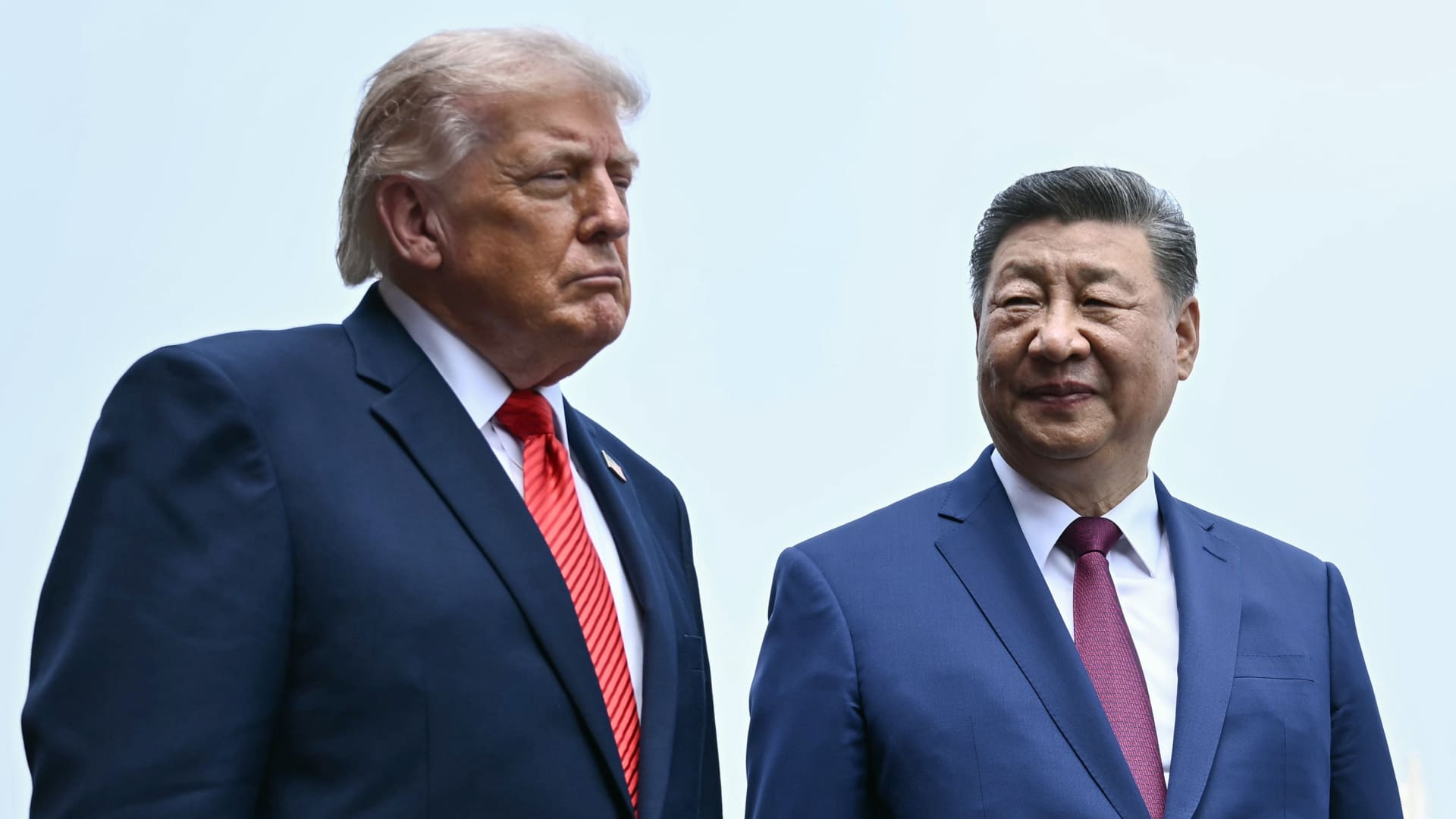
The United States is threatening to cut businesses that help Iran evade sanctions off from the American financial system, placing China's banks in an uncomfortable position. Beijing can reject the demands; its largest lenders still have powerful incentives to preserve access to US dollars.
The threat
Treasury Secretary Scott Bessent announced that any entity facilitating "money laundering or sanctions evasion on behalf of Iran risks being cut off from the U.S. financial system," part of what President Trump called an "economic D-Day" against Tehran.
Asked specifically about Chinese banks, Bessent was direct: "If they facilitate transactions and are part of the ecosystem that turns Iranian oil into money, into repression, they will be targeted."
China said it would "take all necessary measures" to protect itself. A foreign ministry spokesperson added that Beijing has "made clear on many occasions its firm opposition to illicit unilateral sanctions that have no basis in international law or the authorization of the UN Security Council."
Two positions that are both real
The rhetorical objection and the commercial calculation point in opposite directions, and Beijing holds both simultaneously.
A large Chinese bank cut off from dollar clearing loses the ability to finance international trade in the currency most of that trade is priced in. No amount of principled opposition compensates for that, which is why sanctions enforcement aimed at banks has historically worked even against states that reject its legitimacy.
The hedge is the long game. China has spent years building CIPS, its own cross-border payment infrastructure, precisely so that this leverage eventually stops working. It is not yet a substitute — and this is the kind of episode that determines how quickly it becomes one.
More from peatpost

Real Estate Market Forecast 2026: U.S., Spain, Italy and Switzerland Face a Changing Landscape as Crypto Enters the Property Market
Global housing markets diverge in 2026 as mortgage rates ease, supply shortages persist, and blockchain-based transactions move from pilot projects toward mainstream adoption.
Clarity Act Odds More Than Doubled to 31% as Trump Reportedly Backed Ethics Limits
The crypto market structure bill needed 60 Senate votes to reach floor debate; supporters likely required nine Democrats, and none had publicly committed.

India to push BRICS digital currency link despite hurdles, sources say
India is chairing BRICS this year, with leaders of the bloc set to meet in New Delhi on September 12 to 13.
Discussion
0 commentsNo comments yet — be the first to weigh in.