Chip Selloff Goes Global: SK Hynix, Samsung, and SoftBank Join the $1 Trillion-Plus Rout
The AI infrastructure trade's unwind jumped the Pacific, dragging Asia's memory and chip giants into what was already July's defining market story.
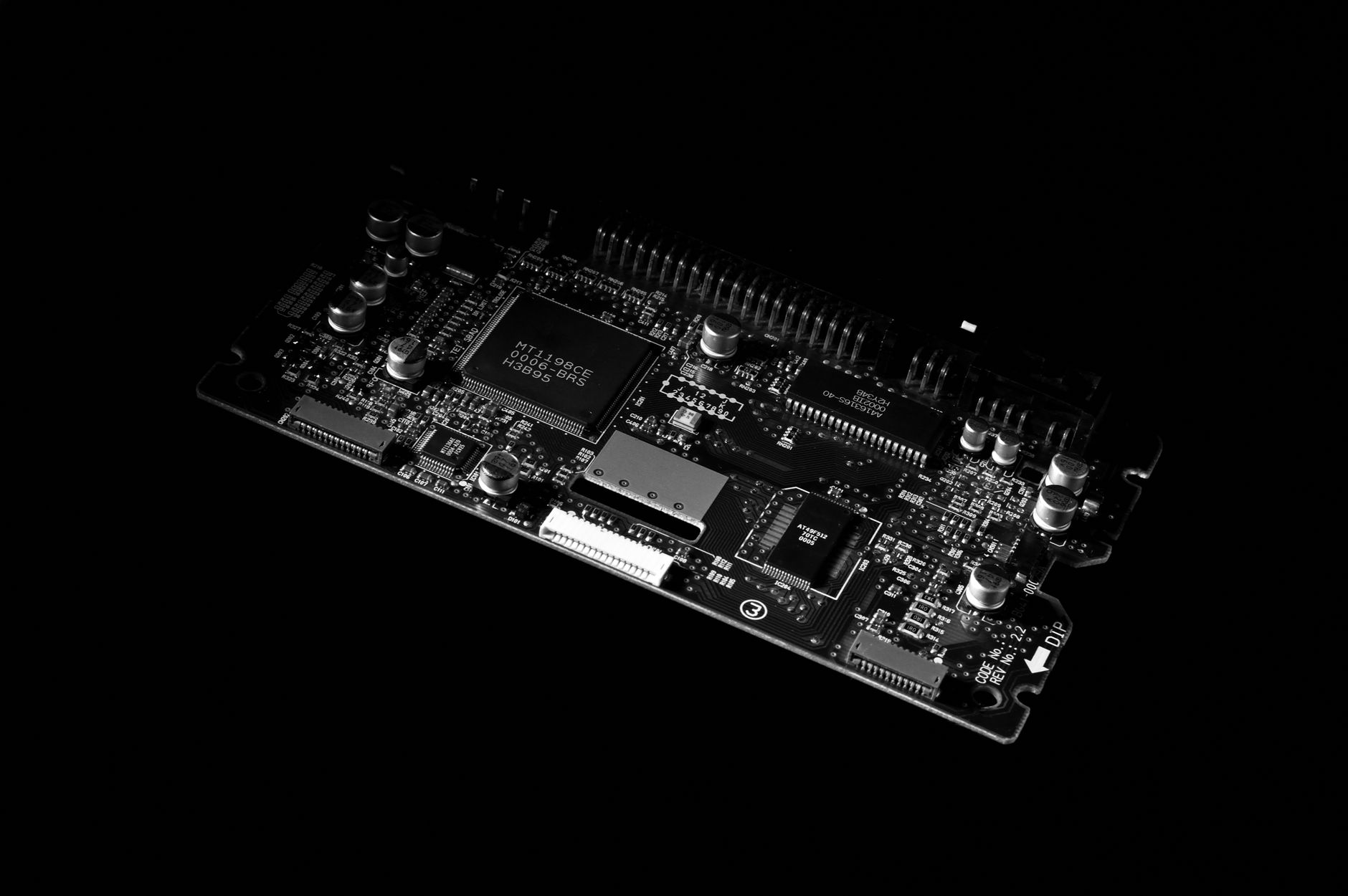
The semiconductor selloff stopped being an American story this week. SK Hynix, Samsung, and SoftBank led a rout across Asian tech, as chip stocks worldwide shed more than $1 trillion in a decline that has now touched every link of the AI supply chain — memory, foundry, equipment, and the holding companies financing it all.
The globalization of the selloff matters because of what it rules out. A US-only decline could be blamed on rotation or domestic politics. A synchronized slide through Seoul and Tokyo says the market is repricing the AI capex cycle itself — the shared revenue stream every one of these companies depends on.
The dominoes so far
The sequence began with Intel's foundry troubles — reports that its 18A-P node would not hit profitable yields until late 2026 or 2027 — then compounded through Meta's plan to resell surplus AI capacity and DeepSeek's move toward in-house silicon. Each development attacked a different pillar of the bull case: execution, scarcity, and customer lock-in respectively.
Memory makers are exposed to the same math from a different angle: high-bandwidth memory expansions were financed against demand projections that suddenly carry error bars. SoftBank, with its leveraged, concentrated AI bets, trades as the sector's high-beta proxy — and traded like it this week.
Where it stabilizes
The bulls' case is that this is a violent mid-cycle correction in a secular trend — that inference demand keeps compounding regardless of whose training capex plateaus, and that July's forced selling created the entry the fast money spent two years waiting for.
The bears' case is simpler: the SOX is finishing its worst month since 2008 because the marginal buyer of compute just became a seller. Both cases will be argued through earnings season. What is no longer arguable is the one-way market — that ended in July, on volume, in every time zone.
More from peatpost

Real Estate Market Forecast 2026: U.S., Spain, Italy and Switzerland Face a Changing Landscape as Crypto Enters the Property Market
Global housing markets diverge in 2026 as mortgage rates ease, supply shortages persist, and blockchain-based transactions move from pilot projects toward mainstream adoption.

Clarity Act Odds More Than Doubled to 31% as Trump Reportedly Backed Ethics Limits
The crypto market structure bill needed 60 Senate votes to reach floor debate; supporters likely required nine Democrats, and none had publicly committed.

India to push BRICS digital currency link despite hurdles, sources say
India is chairing BRICS this year, with leaders of the bloc set to meet in New Delhi on September 12 to 13.
Discussion
0 commentsNo comments yet — be the first to weigh in.