Wall Street's Favorite Trade Came Undone: Chips Close Their Worst Month Since 2008
The SOX fell 21% in July, $2.2 trillion evaporated, and the market's one-way AI consensus now has a two-way risk profile.
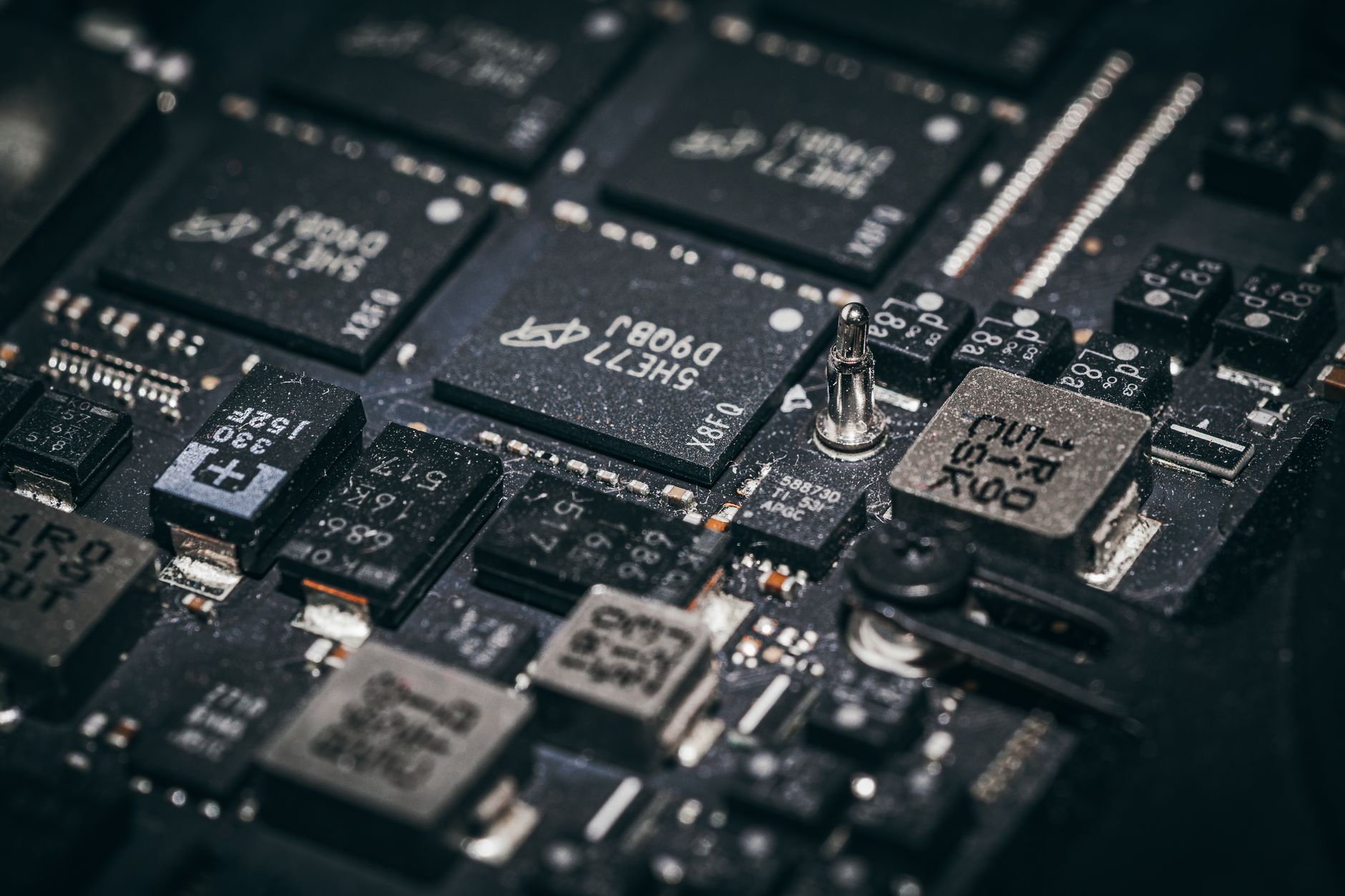
July ended with the scoreboard nobody drew up in January: the Philadelphia Semiconductor Index down 21% for the month — its worst since October 2008 — with roughly $2.2 trillion of market value erased from the companies powering the AI boom. The Nasdaq 100 fell 9% in sympathy. Bitcoin, for the record, rose.
The selloff turned Wall Street's most crowded consensus into its most volatile trade, and the whipsaw is not over: August has opened with violent bounces and renewed slides as investors argue about whether July was a correction or a verdict.
The four horsemen of the rout
The damage had identifiable authors. Meta's announcement of Meta Compute — a cloud business selling its surplus AI capacity — rewrote the supply-demand equation investors had assumed was permanently tight. Reports that Intel's 18A-P process node would not reach profitable yields until late 2026 or 2027 cost the stock 21% in seven trading days. DeepSeek's declaration that it is developing its own proprietary AI chip previewed a world where the biggest customers become competitors. And beneath all of it, the quarterly drumbeat of capex guidance finally raised the question analysts had suppressed for two years: whether near-term revenue can justify spending at this scale.
Taiwan Semiconductor fell 15% for the month, surrendering more than $380 billion in value. Nvidia — the trade's flagship — escaped with a 2.2% dip, which under the circumstances counts as a moral victory.
What changed, actually
The technology did not get worse in July. What broke was the one-way assumption: that AI infrastructure demand is infinite, price-insensitive, and immune to the capital cycle. Meta reselling capacity is what the top of a capex cycle looks like in real time.
For markets broadly, the rout had a redistributive effect — capital that had hidden in the AI trade went looking for uncorrelated stores of value, and the hard-asset complex was waiting. The best-performing major assets since July 1: gold, silver, and Bitcoin. The market may have just told us what it does after AI: it hedges.
More from peatpost

Real Estate Market Forecast 2026: U.S., Spain, Italy and Switzerland Face a Changing Landscape as Crypto Enters the Property Market
Global housing markets diverge in 2026 as mortgage rates ease, supply shortages persist, and blockchain-based transactions move from pilot projects toward mainstream adoption.
Clarity Act Odds More Than Doubled to 31% as Trump Reportedly Backed Ethics Limits
The crypto market structure bill needed 60 Senate votes to reach floor debate; supporters likely required nine Democrats, and none had publicly committed.

India to push BRICS digital currency link despite hurdles, sources say
India is chairing BRICS this year, with leaders of the bloc set to meet in New Delhi on September 12 to 13.
Discussion
0 commentsNo comments yet — be the first to weigh in.