Core Lightning Asked Operators to Trust It for 14 Days
Bitcoin's premise is that you verify rather than trust. A live security incident does not allow it.
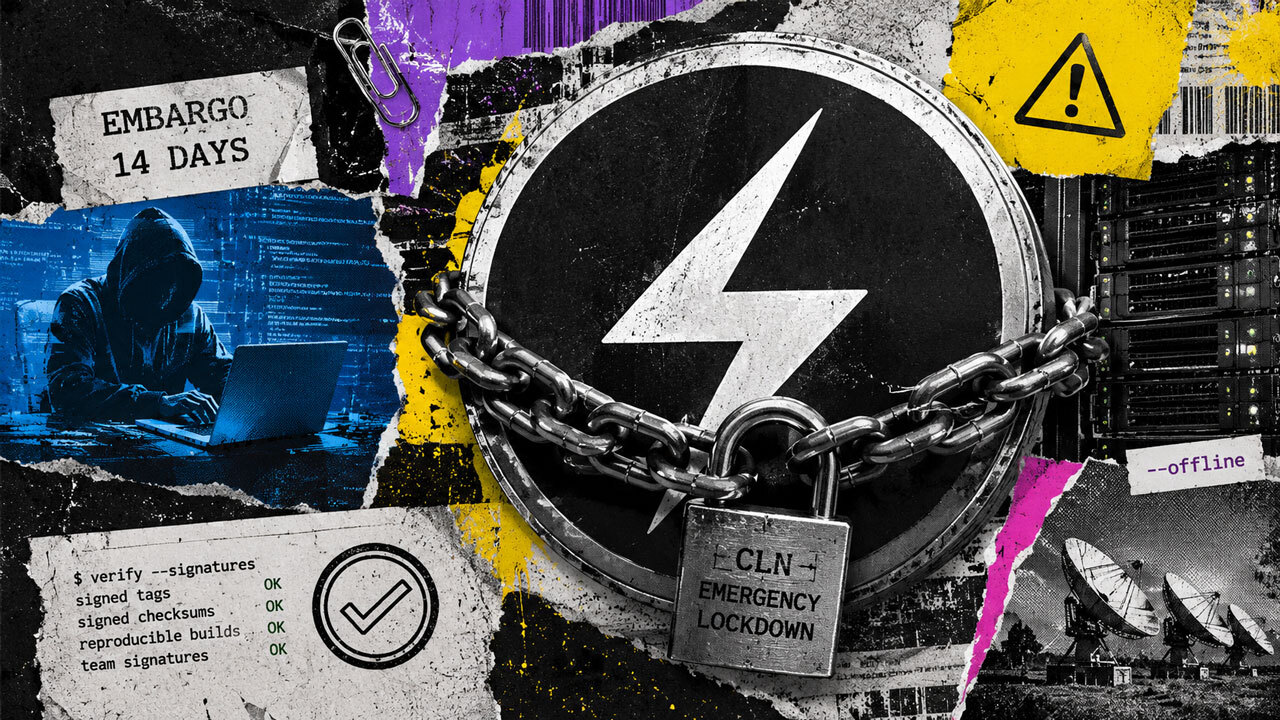
Core Lightning developers have asked node operators to make a security decision before anyone outside the team can assess the threat.
A message posted on Stacker News on 23 August urged operators to install new binaries fixing multiple reported vulnerabilities. Those declining the upgrade were told to run their nodes offline. The technical details will stay under embargo for two weeks.
What operators can and cannot check
They can verify provenance. Core Lightning plans to attach team signatures to the binaries, and its documented release process uses signed tags, signed checksums and reproducible builds — enough to confirm a package came through the intended channel and matches the published source.
They cannot inspect the evidence behind the threat assessment, determine the exploit mechanism from public material, or work out whether their particular node configuration is exposed.
The tension this exposes
Bitcoin's design goal is that users verify monetary rules without asking a bank or payment processor for permission. A live security incident runs on the opposite logic: publishing the details tells attackers exactly what to do, so the information has to be withheld from defenders too.
That leaves a two-week window in which the correct action for a node operator is to trust the maintainers' judgement and act on it immediately — the precise posture the system was built to make unnecessary.
There is no clean resolution. Embargoes are standard practice across serious software projects because the alternative is worse. It is simply an uncomfortable fit for an ecosystem whose founding argument is that you should never have to take anyone's word for it.
More from peatpost

Bitcoin's Rebound Nears $85,000 Cost-Basis Cluster as Ether Whales Trim Bullish Bets
Bitcoin briefly topped $84,000 and Ether regained $2,500, but investor cost-basis data and $26.5bn of Ether futures positioning point to hurdles ahead.
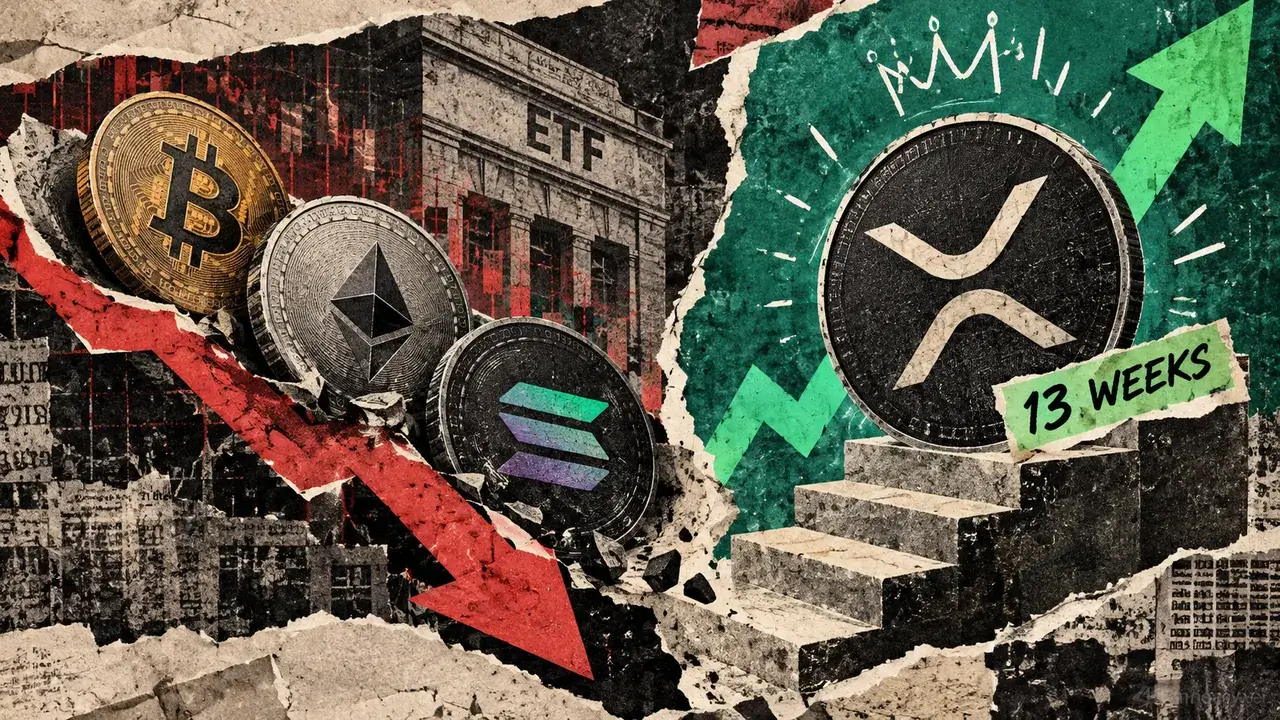
Bitcoin, Ether and Solana ETFs Shed $1.25bn as XRP Funds Log 13th Week of Inflows
Bitcoin funds posted their first losing week since mid-September and Ether products their heaviest redemptions since January, according to SoSoValue data.

79thVault Token Pool Drained of $14.35m Despite 79% of Liquidity Being Burned
A privileged permission in the 79AU token let coins leave its PancakeSwap pool without payment, Bitquery found, bypassing the burned liquidity entirely.
Discussion
0 commentsNo comments yet — be the first to weigh in.