Dallas Fed Economists Warn Tokenized Deposits Could Raise Credit Costs
If deposits become 10% more rate-sensitive, banks' capacity to hold long-term loans could fall by around $700bn.
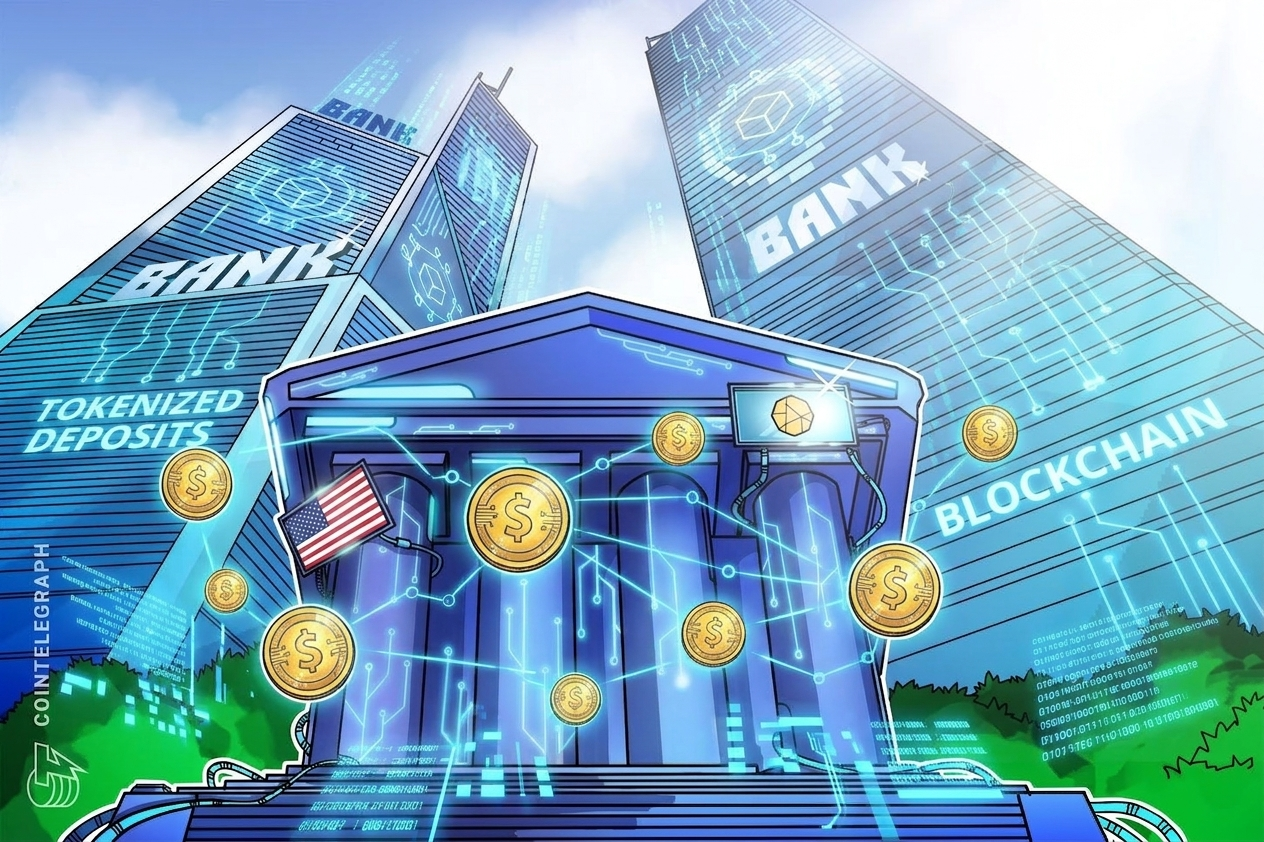
Tokenized deposits could make bank funding less stable and raise credit costs for American households and businesses, according to an analysis by two economists at the Federal Reserve Bank of Dallas.
The mechanism
Rosie Levy and Srini Ramaswamy argue that instant settlement would let depositors chasing higher yields switch banks far more quickly than they can today.
Programmable deposit tokens and agentic artificial intelligence could automate those transfers entirely — shortening the time deposits remain at any individual bank and making them considerably more sensitive to interest rates.
That is a precise and uncomfortable description of what the technology is designed to do. Frictionless movement of money is the selling point, and this analysis takes the selling point seriously and follows it through the banking system.

The estimate
The economists calculate that if deposits became 10% more sensitive to interest rates, banks' capacity to hold long-term loans and other assets could fall by about $700bn.
The logic runs through maturity transformation, which is what banks fundamentally do: they take deposits that can leave at any moment and use them to fund mortgages and business loans lasting years or decades. That works because, in practice, deposits are sticky. People do not move their current account for a few basis points, because doing so is tedious.
Remove the tedium and the stickiness goes with it. A bank whose funding can leave in seconds cannot safely fund a thirty-year mortgage with it, and must either hold more liquidity, borrow from more expensive wholesale sources, or lend less.
Why this argument carries weight
Coming from Federal Reserve economists, this is a materially different objection from the ones the industry is used to answering.
The familiar regulatory concerns about crypto have centred on fraud, volatility, consumer protection and illicit finance — all of which the tokenized deposit model was specifically designed to sidestep, since a tokenized deposit is a claim on a regulated, insured bank rather than an independently issued instrument.
This critique concedes all of that and objects anyway. It says the problem is not that the money is unsafe; it is that the money moves too well, and the banking system's ability to fund long-term lending depends on it moving badly.
The counter-argument
There is a reasonable response, and it deserves stating.
Deposit stickiness is a form of consumer inertia that benefits banks at savers' expense. Depositors have been receiving below-market rates for decades precisely because switching is inconvenient, and a technology that ends that transfers value from bank shareholders to households.
The $700bn figure is a cost, but it is a cost of ending an implicit subsidy rather than the destruction of value. Whether that trade is worth making is a policy judgement rather than a technical one.
What it means for the timeline
The practical significance is that the tokenized deposit consensus is less settled than it appeared.
Banks have been pursuing this as the safe, regulator-friendly route into blockchain infrastructure. An analysis from within the Federal Reserve system suggesting it could reduce credit availability is exactly the kind of finding that slows a supervisory approval — and it arrives as coalitions like the BankChain Alliance are setting launch dates.
More from peatpost
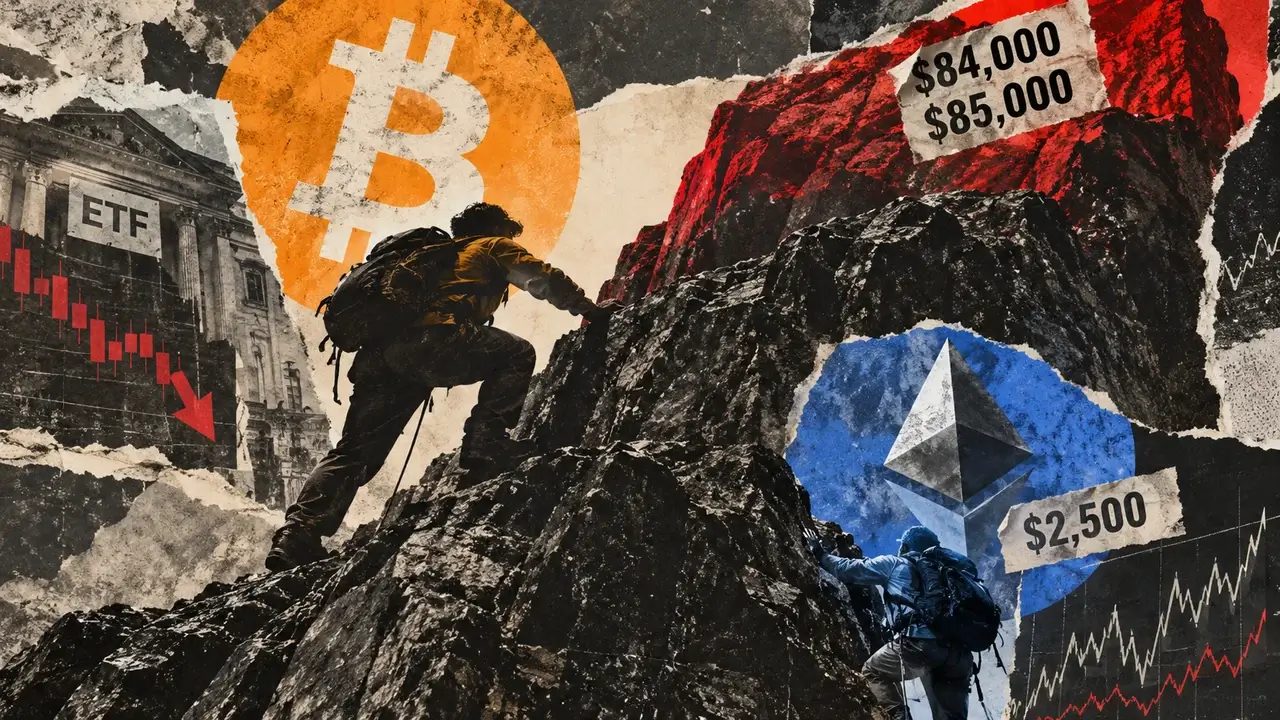
Bitcoin's Rebound Nears $85,000 Cost-Basis Cluster as Ether Whales Trim Bullish Bets
Bitcoin briefly topped $84,000 and Ether regained $2,500, but investor cost-basis data and $26.5bn of Ether futures positioning point to hurdles ahead.
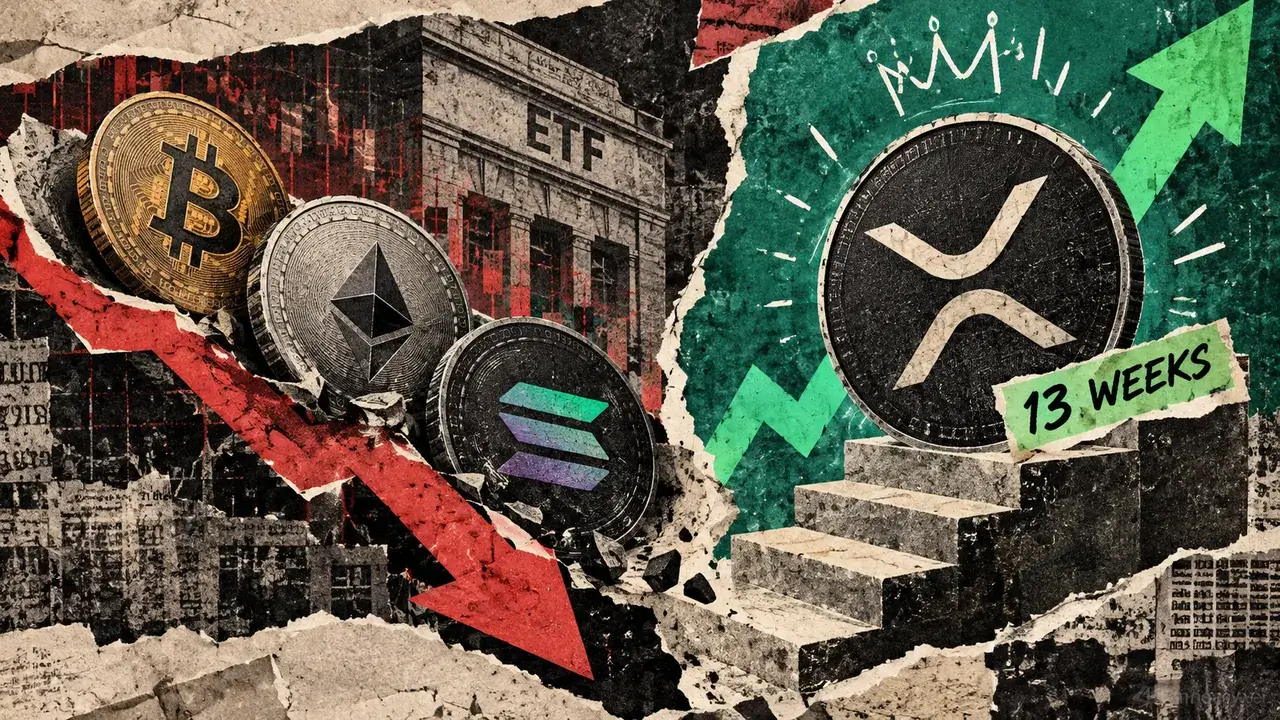
Bitcoin, Ether and Solana ETFs Shed $1.25bn as XRP Funds Log 13th Week of Inflows
Bitcoin funds posted their first losing week since mid-September and Ether products their heaviest redemptions since January, according to SoSoValue data.

79thVault Token Pool Drained of $14.35m Despite 79% of Liquidity Being Burned
A privileged permission in the 79AU token let coins leave its PancakeSwap pool without payment, Bitquery found, bypassing the burned liquidity entirely.
Discussion
0 commentsNo comments yet — be the first to weigh in.