Six Wallets Dormant Since 2011 Moved $40m in a Single Week
553.59 BTC that had not moved in over a decade. One holder's coins cost about $14 each — a 461,981% gain.

Somewhere, six people may have just remembered they own Bitcoin, cracked open an old hard drive, or finally recovered a key they had given up on.
Galaxy Research has been counting. Six Bitcoin wallets dormant since 2011, 2012 and 2014 moved a combined 553.59 BTC between 16 and 26 August, worth roughly $40.15m.
The first one
The wallet that woke on 16 August held just 8.54 BTC, untouched since 13 June 2011 — 15.1 years — before moving in block 962,770.
The coins cost about $14 each to acquire at the time. They were worth $538,000 when they moved, a gain of 461,981%.
There is no sender attribution on the wallet, so whoever controls it has kept their identity quiet. Two days later brought the largest single movement in the batch.

Why these movements get watched
It is genuinely rare for holders from 2011 to 2014 to still control their original coins, which is why on-chain analysts examine every one that stirs.
The attrition from that era was severe. Keys were stored on hard drives that failed, in wallet files that were deleted, on exchanges that collapsed — Mt. Gox above all — and by people who did not imagine the asset would be worth anything. Estimates of permanently lost Bitcoin run into the millions of coins, and every wallet from that period is a candidate for that category until it demonstrates otherwise.
A movement proves the keys survived. That is the substance of the news.
What it does not tell you
A transfer is not a sale, and the distinction is routinely lost in the coverage.
Coins moving from a 2011 address might be going to an exchange to be sold, or to modern self-custody, or to a family member, or to a custodian as part of estate planning. The chain records the movement; it says nothing about intent. Analysts infer direction from the destination address, and those inferences are frequently wrong.
The market reaction, however, tends not to wait. "Ancient whale moves coins" is read as impending supply, and the interpretation can move the price regardless of what the holder actually does next.
The pattern worth noting
What makes this cluster interesting is that six wallets moved within ten days, during a period when Bitcoin rallied sharply from its lows.
That correlation has an obvious reading — long-dormant holders responding to a price recovery — and a less obvious one. A rally generates coverage, coverage reaches people who forgot they held something, and the resulting activity looks like a coordinated cohort decision when it may be six unconnected individuals who read the same headline.
Either way, the coins are now in motion for the first time in over a decade, and the addresses that held them have gone quiet again.
The forensic limits
On-chain analysis can establish a great deal and cannot establish identity, and the distinction is worth holding onto when reading this kind of report.
Analysts can see the age of an output, the size of a movement, the block it landed in and where the coins went next. They cannot see who holds the key, whether the same person has held it throughout, or whether the wallet belongs to an individual, an early exchange, a mining operation or an estate.
Attribution generally comes from off-chain information — an exchange deposit, a public claim, a leaked database — and none of that exists here.
Why the era matters
Coins from 2011 to 2014 carry disproportionate weight in market psychology because of what that cohort represents.
These are holders who acquired at effectively zero cost, survived multiple 80% drawdowns without selling, and kept custody through a period when doing so safely required real technical skill. A cohort that has demonstrated that much conviction moving anything at all is treated as information, which is why six ordinary transactions became a story at all.
More from peatpost

Bitcoin's Rebound Nears $85,000 Cost-Basis Cluster as Ether Whales Trim Bullish Bets
Bitcoin briefly topped $84,000 and Ether regained $2,500, but investor cost-basis data and $26.5bn of Ether futures positioning point to hurdles ahead.
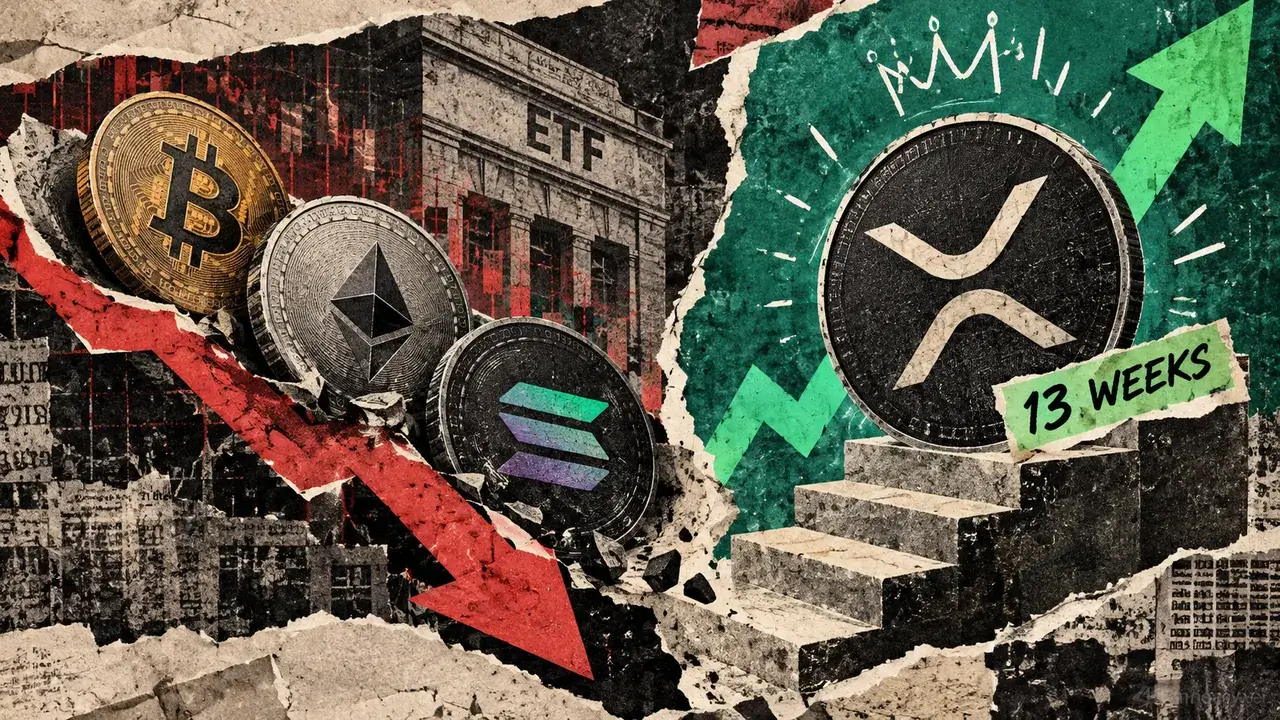
Bitcoin, Ether and Solana ETFs Shed $1.25bn as XRP Funds Log 13th Week of Inflows
Bitcoin funds posted their first losing week since mid-September and Ether products their heaviest redemptions since January, according to SoSoValue data.

79thVault Token Pool Drained of $14.35m Despite 79% of Liquidity Being Burned
A privileged permission in the 79AU token let coins leave its PancakeSwap pool without payment, Bitquery found, bypassing the burned liquidity entirely.
Discussion
0 commentsNo comments yet — be the first to weigh in.