Germany Drafts Flat 25% Tax on Crypto Gains, Ending Holding-Period Exemption
Finance minister Lars Klingbeil's draft would scrap the one-year tax-free rule for coins bought from 1 January 2027, with bank withholding from 2028.

Germany's finance ministry has drafted legislation that would apply a flat 25% levy to gains from selling crypto, whatever the holding period, removing the tax-free treatment that long-term holders now enjoy.
The departmental draft, from Vice Chancellor and Finance Minister Lars Klingbeil and dated mid-August, was first reported by Welt on Tuesday. Handelsblatt has also seen the document, according to Decrypt.
What would change
Under the current rules, gains on crypto held for more than twelve months are untaxed. The ministry set out that position in 2022 and later extended it to coins used for staking and lending. Profits on assets sold within the year are taxed as ordinary income, at rates of up to 42% for higher earners.
The draft would instead treat crypto gains like dividends, share profits and interest. The 25% flat rate would carry a solidarity surcharge of 5.5% of the tax, giving an effective rate of 26.375% before church tax.
The new regime would take effect on 1 January 2027 and cover only crypto acquired from that date. Assets bought earlier would stay under the existing rules, so people already holding Bitcoin would keep their exemption.
Other elements of the draft, as reported:
- the €1,000 saver's allowance would apply
- losses could be offset against gains, including gains on shares
- according to Welt, returns from lending and staking would be classed as capital income
- the regime would exclude NFTs and security tokens, along with certain stablecoins and certain real-world-asset tokens
Withholding and revenue
Automatic deduction at source is not due to begin before 2028. From then, banks and other providers would pay the tax over directly, as they already do for other capital income. The gap gives platforms a year to build the systems required.
When assets move between providers, platforms would be able to use the purchase price and acquisition date that customers provide. Where those details are missing, the flat rate would apply regardless.
The ministry expects the measure to raise €160m in 2028, rising to €350m a year by 2031.
The case for and against
According to the bill, crypto holdings "increasingly represent a form of private capital investment" and should lose a special status that has put them in the same bracket as classic cars and artworks. The ministry says it is unfair for earned income and capital gains to be taxed while speculative crypto profits remain largely untaxed.
Critics have countered that scrapping the holding period falls hardest on long-term investors, not the short-term speculators the ministry describes. Under today's rules, someone who holds for a year pays nothing on the gain; under the draft, the same investor would pay the flat rate.
For some active traders the effect could run the other way. A higher earner whose short-term gains are currently taxed at a marginal rate of up to 42% would face a lower flat rate on new purchases, and could also net crypto losses against share gains.
The grandfathering of existing holdings would also create two tiers of assets with different tax treatment. That puts a premium on accurate records of when, and at what price, coins were bought, for investors and platforms alike.
What happens next
The draft is still at an early stage of coordination within the federal government and could change. The coalition parties, the Union and the SPD, agreed to tax crypto during their summer budget negotiations, which suggests the principle has political backing even if the details shift.
Points to watch include whether the exemption for existing holdings survives, how staking and lending income is ultimately treated, and which stablecoins and tokenised assets end up excluded.
More from peatpost

Bitcoin's Rebound Nears $85,000 Cost-Basis Cluster as Ether Whales Trim Bullish Bets
Bitcoin briefly topped $84,000 and Ether regained $2,500, but investor cost-basis data and $26.5bn of Ether futures positioning point to hurdles ahead.
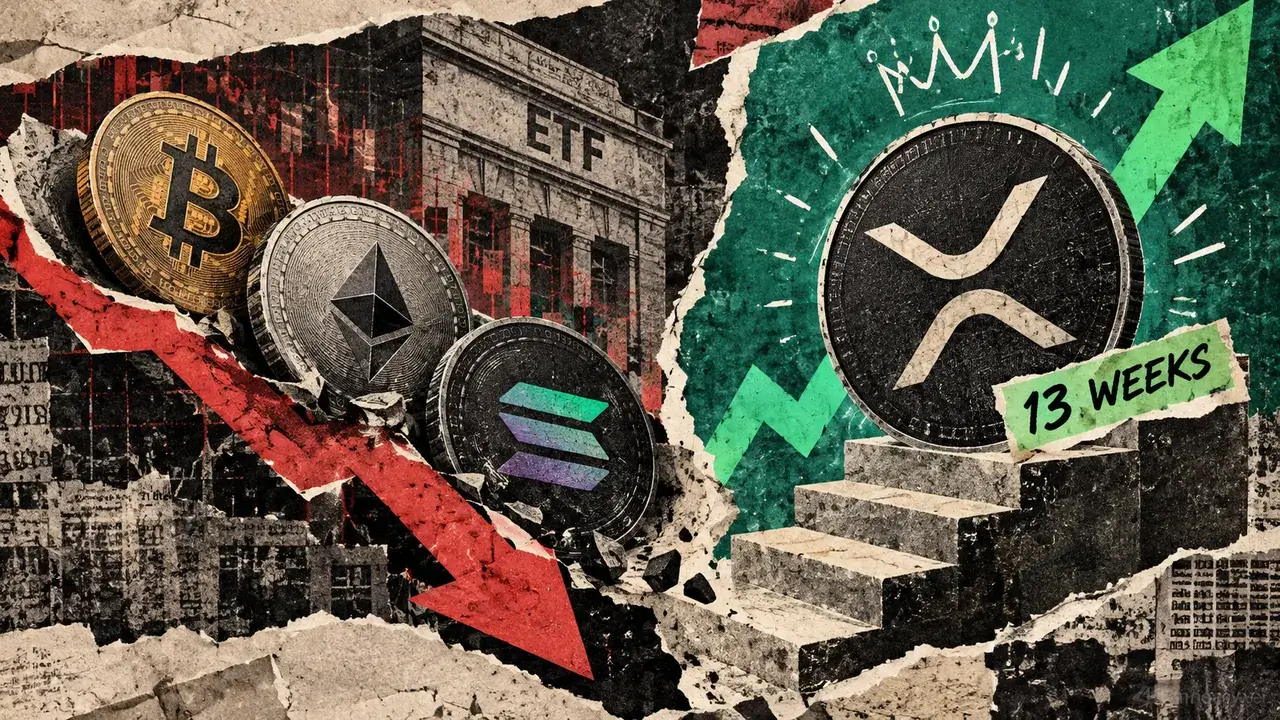
Bitcoin, Ether and Solana ETFs Shed $1.25bn as XRP Funds Log 13th Week of Inflows
Bitcoin funds posted their first losing week since mid-September and Ether products their heaviest redemptions since January, according to SoSoValue data.

79thVault Token Pool Drained of $14.35m Despite 79% of Liquidity Being Burned
A privileged permission in the 79AU token let coins leave its PancakeSwap pool without payment, Bitquery found, bypassing the burned liquidity entirely.
Discussion
0 commentsNo comments yet — be the first to weigh in.