The Great Migration: Why European Savers Are Moving Their Money from Traditional Banks to Revolut and N26
A wave of concern over the EU's Savings and Investments Union plan is driving a quiet but significant exodus from traditional bank accounts to digital alternatives.
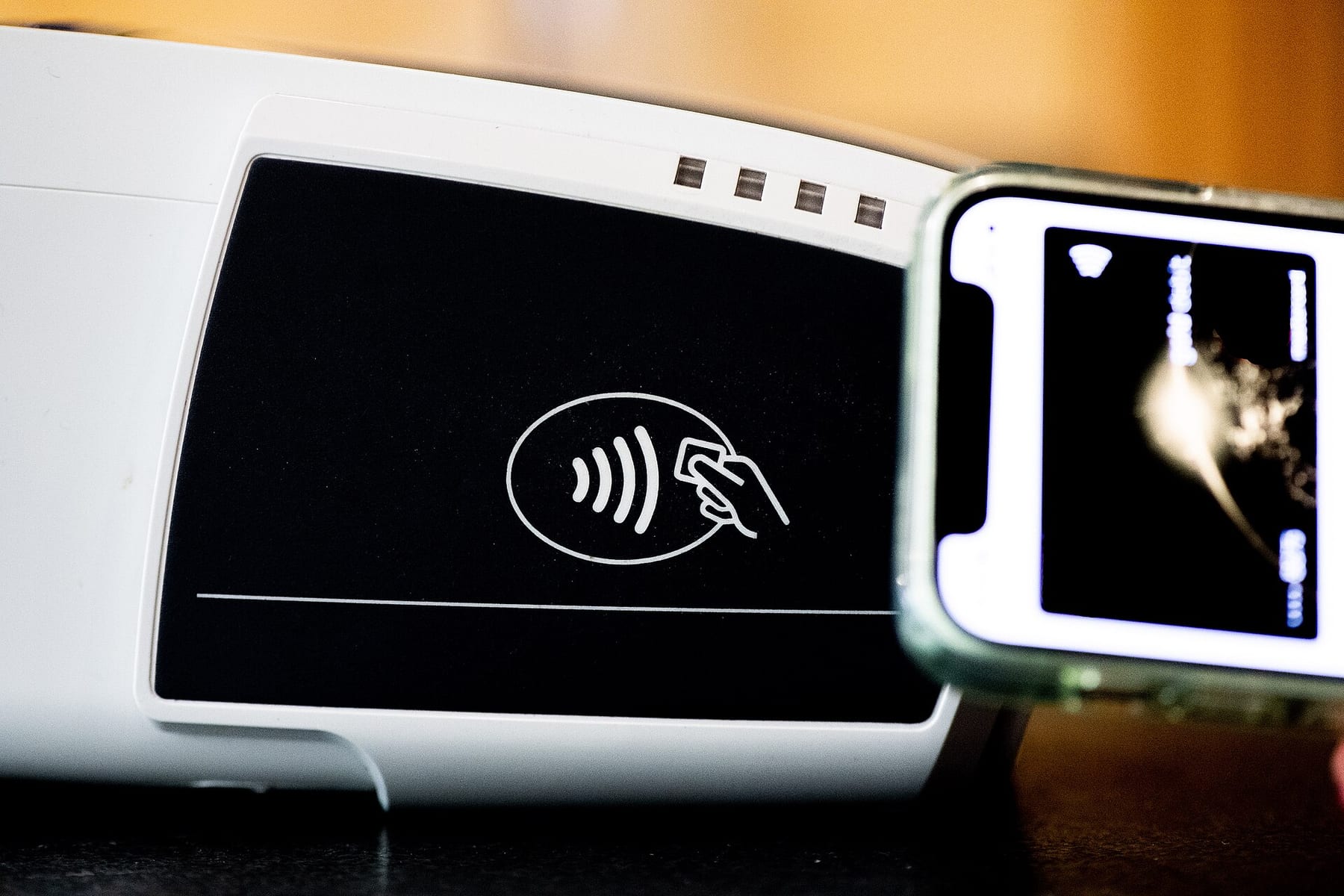
Brussels, September 1, 2026 – The European Commission's ambitious plan to channel €10 trillion in "lazy" household savings into capital markets is having an unintended consequence. Rather than waiting to see what the Savings and Investments Union (SIU) will mean for their money, a growing number of European citizens are taking matters into their own hands.
The beneficiary of this quiet revolution? Digital banks, or "neobanks," like Revolut and N26, which are reporting record user growth as traditional bank customers seek alternatives.
A Crisis of Trust
The catalyst appears to be public reaction to Ursula von der Leyen's August 27 speech in Paris, where she described Europe's €10 trillion in bank deposits as "lazy" and in need of being "put to work" for European businesses. While the Commission has repeatedly stressed that participation in the SIU is entirely voluntary and that no funds will be seized or redirected without consent, the language of the speech—combined with the sheer ambition of the plan—has triggered alarm among savers.
The fear, stoked by social media and some commentary, is that the EU is laying the groundwork to eventually divert savings toward politically prioritized sectors such as green energy and defence. Although analysis confirms that the SIU proposal contains no mechanism for confiscation or forced investment, the perception of risk has been enough to prompt action.
The Revolut and N26 Surge
Against this backdrop of unease, fintech startups are reporting significant growth.
- Revolut, which now boasts over 50 million users globally, continues to expand its European footprint, positioning itself as a full-service financial "super-app" that allows users to bank, invest, and manage crypto all in one place.
- N26 has seen its daily new customer acquisition rise to 1,500, with total transactions reaching $5.9 billion. The German-based digital bank now serves 8 million customers across Europe, with strong presences in Germany, France, Spain, and Italy.
Both platforms offer features that traditional banks often struggle to match: seamless mobile apps, low fees, integrated investment options, and easy access to cryptocurrency trading. For many, these features represent a form of financial independence that contrasts with the perceived "top-down" direction of the SIU.
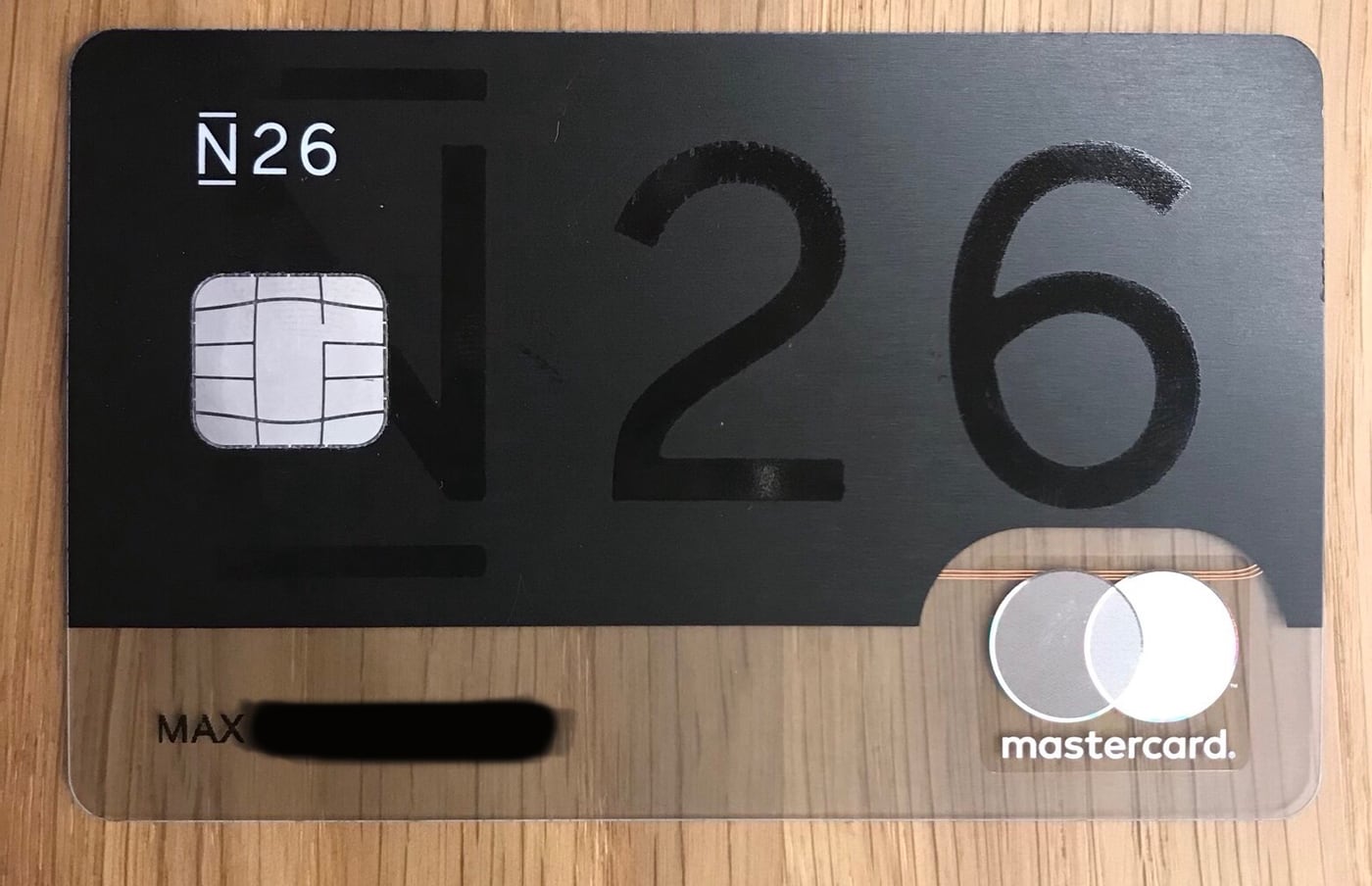 An N26 card. Photograph: Jean-Loko, CC BY-SA 4.0, via Wikimedia Commons
Safety and Security: The Key Question
As users flock to these platforms, a crucial question arises: is your money safe?
The answer is nuanced. Both Revolut and N26 are licensed banks within the European Union. Revolut Bank operates via a branch in Spain but is domiciled in Lithuania, meaning deposits are covered by the Lithuanian Deposit Guarantee Fund. N26 is domiciled in Germany, and its funds are protected by the German deposit guarantee scheme.
In both cases, the standard EU protection applies: up to €100,000 per depositor, per bank. However, it is vital to understand that these guarantees only cover cash in current and savings accounts, not investments in stocks, ETFs, or cryptocurrencies. For crypto holdings, assets are generally segregated, but this is not the same as a deposit guarantee.
The Battle for Mainstream Banking
The neobanks are no longer content to be "second accounts." They are actively integrating with public administrations to become primary banking partners. N26, for instance, now allows users to receive state pensions and unemployment benefits. Revolut has collaborated with tax agencies and is working to expand its ability to handle social security payments.
However, both still face barriers. N26 has yet to fully integrate with Spain's tax agency, while Revolut is still working on connecting with the social security system. These "legacy" administrative hurdles, designed for traditional banks with physical branches, are gradually being overcome.
An Open Question
The current migration of savings from traditional banks to fintech platforms raises a fundamental question: is this a rational response to a new EU policy, or an overreaction to a perceived threat?
On one hand, the move to neobanks offers citizens tangible benefits: more control, better digital services, and integrated investment tools that align perfectly with the SIU's stated goal of making investing more accessible.
On the other hand, the belief that one is "protecting" savings from a distant Brussels bureaucracy may be based on a misunderstanding of a policy that, in its current form, is built on incentives rather than coercion.
What is clear is that the SIU has succeeded in one of its aims: it has made Europeans think about where their money is kept and how it is used. Whether that money flows into EU-approved investment accounts or into the digital wallets of fintech disruptors remains an open question—and one that will be shaped by the trust, or lack thereof, that citizens place in their governments and their banks.
More from peatpost
Coinbase’s Texas move gets a shareholder suit dismissed over Delaware-era claims
Coinbase’s move to Texas changed the rule a shareholder had to satisfy before suing its directors over alleged conduct from the company’s Delaware years. In an October 2 ruling , the Texas Business Court dismissed Gary Guillaume’s deriva...
Bullish And Equiniti Form Coalition For Issuer-Backed Tokenized Stocks
Bullish and Equiniti have created the Issuer Sponsored Token Coalition to develop standards for tokenized public securities. Early participants include Alpaca, Apex Fintech Solutions and DriveWealth. The group wants tokenized stocks to p...

Qivalis Partners With Numeris to Build Settlement Rails for Its Euro Stablecoin
The Amsterdam-based banking consortium behind Europe's largest bank-backed euro stablecoin project has signed a multi-year collaboration with payments-infrastructure firm Numeris, covering settlement, reconciliation and merchant acceptance ahead of a launch planned for the second half of 2026.
Discussion
0 commentsNo comments yet — be the first to weigh in.