Nasdaq-Backed Puro.earth Applies to Certify Carbon Removals Under New EU Rules
The Helsinki firm wants Brussels' approval to issue EU-certified carbon removal units for biochar, bioCCS and direct air capture, as the bloc's first credits draw near.
Puro.earth, the Nasdaq-backed marketplace for carbon removal, has applied to the European Commission to become a recognised certification scheme under the EU's new carbon removal rules, a step that would let it issue some of the first EU-certified carbon removal units.
The Helsinki-based company said it filed the application after a Commission webinar on 1 June that set out how recognition works, and launched a dedicated programme, the CRCF Program, to sit alongside its existing standards. ESG Post was among the outlets to report the move.
What Puro.earth is asking for
The EU's Carbon Removals and Carbon Farming Certification Regulation, known as the CRCF, creates a voluntary EU-wide framework for certifying permanent carbon removals, carbon farming and carbon stored in long-lasting products. Projects are not certified by Brussels directly: operators apply through a recognised certification scheme, which checks that they meet the rules.
Puro.earth wants to be one of those schemes. If it is approved, project developers could issue "CRCF Certified Units" through Puro.earth, and buyers could purchase them on the same platform they already use. The company would then run three programmes side by side: its voluntary Puro Standard, which issues credits known as CORCs; the new EU-focused CRCF Program; and CCS+, a programme for industrial carbon capture and storage.
Jan-Willem Bode, Puro.earth's president, said running them in parallel reflects the fact that buyers and suppliers need flexibility as the market shifts.
Three methods, for now
The CRCF Program initially covers the three methods the EU has approved so far, in Delegated Regulation (EU) 2026/285. They are capturing carbon from biogenic sources and storing it underground (bioCCS), pulling CO2 directly out of the air and storing it (DACCS), and biochar, a charcoal-like material made by heating biomass that locks carbon into soil.
The delegated act was published in the EU's Official Journal on 17 April and entered into force on 7 May. All three methods are ones Puro.earth already certifies under its own standard.
To line up with the EU rules, Puro.earth said it amended its general rules and its methodology for geologically stored carbon. The changes cover how emissions from building facilities are spread over time, and which instruments can make up for it if stored carbon escapes back into the atmosphere.
Who it is for
The company is pitching the programme at European developers of bioCCS, direct air capture and biochar projects, and at international companies with emissions in Europe that want locally sourced, EU-certified removals. It also argues that buyers planning for compliance would be well placed if carbon removals are one day brought into the EU's emissions trading system, a step the EU has not decided on.
Under the framework, the Commission develops and adopts the methodologies, which the European Parliament and the Council can scrutinise. Recognised schemes check that projects comply, and independent validation and verification bodies must be accredited before any EU-certified units can be issued.
Who is Puro.earth
Puro.earth describes itself as the leading market infrastructure provider for engineered carbon removal, and Nasdaq has held a majority stake in it since 2021. Its Puro Standard, which the company calls the first standard dedicated to engineered removal, certifies suppliers that store CO2 for at least 100 years.
The company says it has more than 100 certified suppliers, eight methodologies, more than 700 buyer organisations on its registry and over 1.5 million CORCs issued. It is also listed as an eligible programme by the Integrity Council for the Voluntary Carbon Market.

Why it matters
Carbon credit markets have long struggled with trust. Credits from projects that only avoid emissions, or store carbon briefly, have drawn heavy criticism, and many buyers now want permanent removals backed by clear rules. An EU certificate would give them a common, government-backed definition of what counts as a permanent removal in Europe.
"Scaling CDR to the volumes required demands well-functioning market infrastructure," said Boris Lagadinov, who heads Puro.earth's CRCF Program, using the industry shorthand for carbon dioxide removal.
For certifiers, being among the first recognised schemes could bring a real commercial edge if buyers move towards EU-certified units.
What comes next
Puro.earth did not give a timeline for a decision, and we found no announcement that its application has been approved. The law firm Thommessen expects the first EU-certified carbon removal units to be issued in late 2026 or 2027.
Things to watch:
- When the Commission recognises its first certification schemes, and how many it approves.
- When accredited verification bodies are in place, since no units can be issued before then.
- Whether the EU approves removal methods beyond the first three.
- Whether policymakers move to link carbon removals to the emissions trading system.
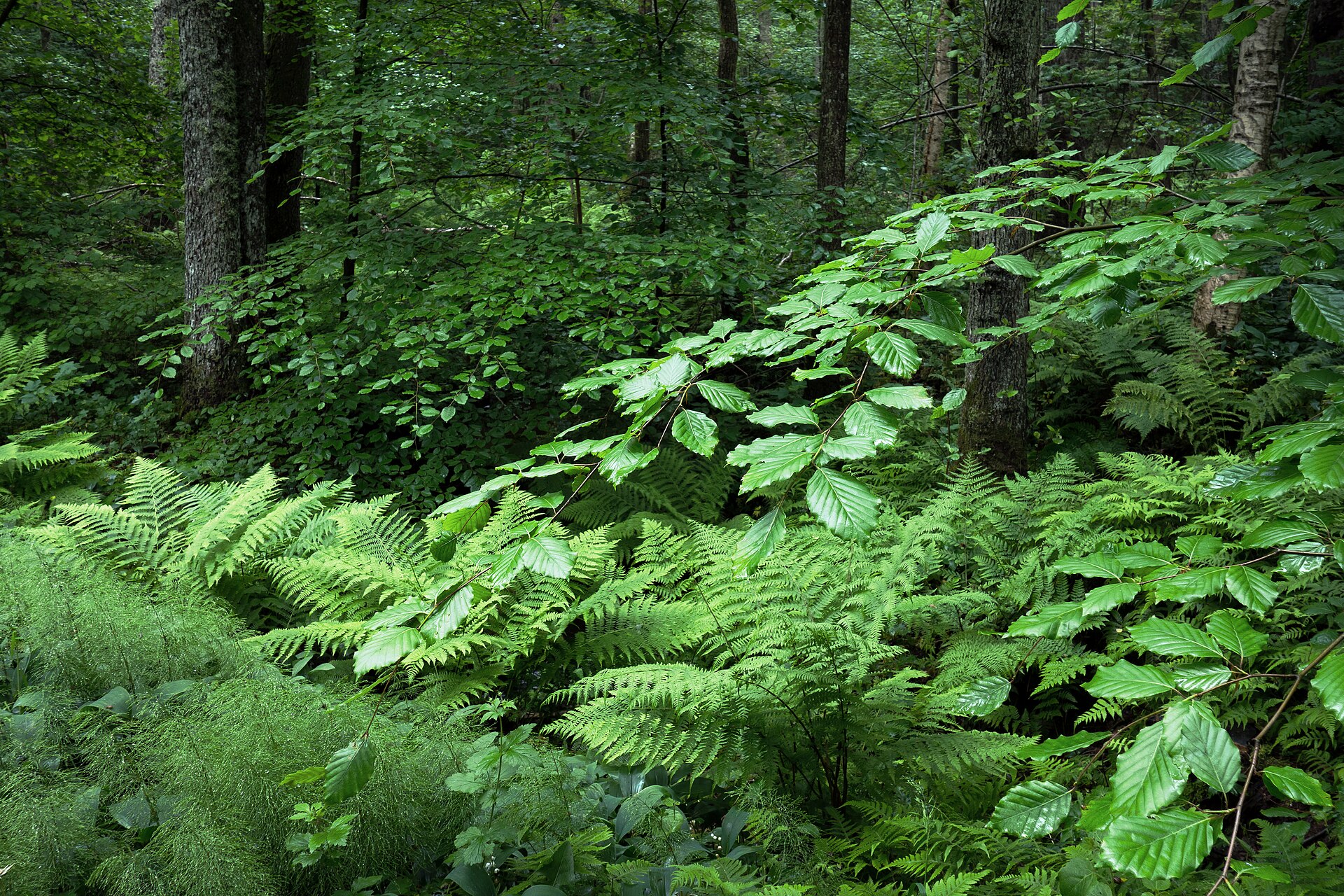
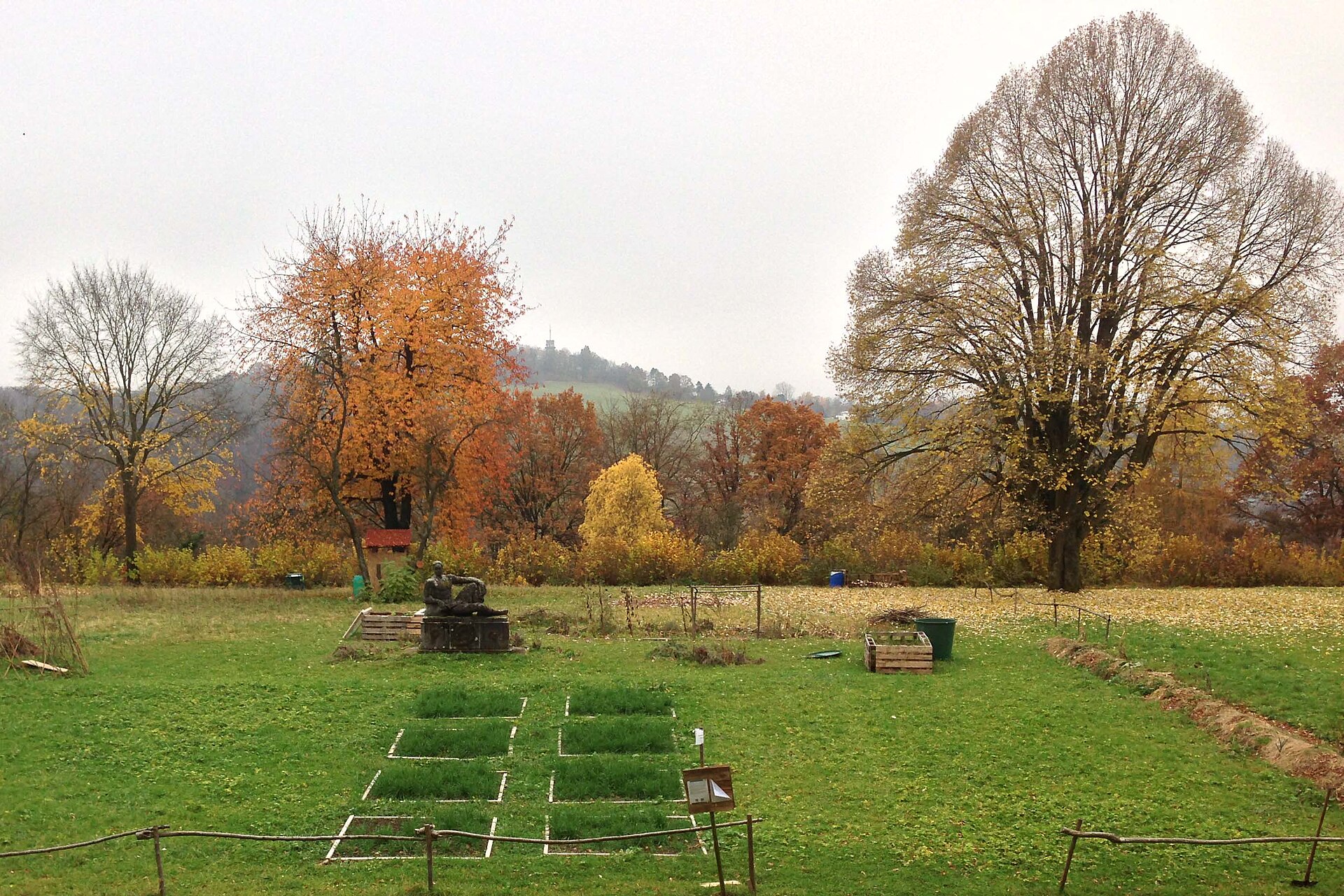
Photos: Beech and ferns in Gullmarsskogen, Sweden, by W.carter / Wikimedia Commons (CC0); biochar plots in Tübingen by Klaeren / Wikimedia Commons (CC BY-SA 3.0); Koli National Park by Ninara / Wikimedia Commons (CC BY 2.0).
More from peatpost

Hackers Steal €100 Million From French Bank Crédit Mutuel Arkéa and Race It Into Crypto
The Brittany-based bank says the money came from its own account and customers are protected. Paris prosecutors are investigating, and a blockchain sleuth says slow reporting let more than $30 million get away.

Morgan Stanley Cuts Coinbase Price Target by 53% to $120 as Post-Earnings Slide Deepens
The bank turned bearish on the exchange, citing slower trading, a softer revenue outlook and market uncertainty after a reported $6.3bn hack at Binance.

Binance Reserves $6.34bn of Company Funds to Cover Hack Losses, Says Customer Assets Untouched
Chief executive Richard Teng says $5bn is already held in the stolen tokens, as investigators link the theft to North Korea's TraderTraitor group.
Discussion
0 commentsNo comments yet — be the first to weigh in.