Lazarus-Linked $30m Bitcoin Sales Cloud Hyperliquid's Push for US Access
Arkham traced North Korea-linked sales through the exchange as Hyperliquid reportedly negotiates a regulated US route via Kraken parent Payward's Bitnomial.
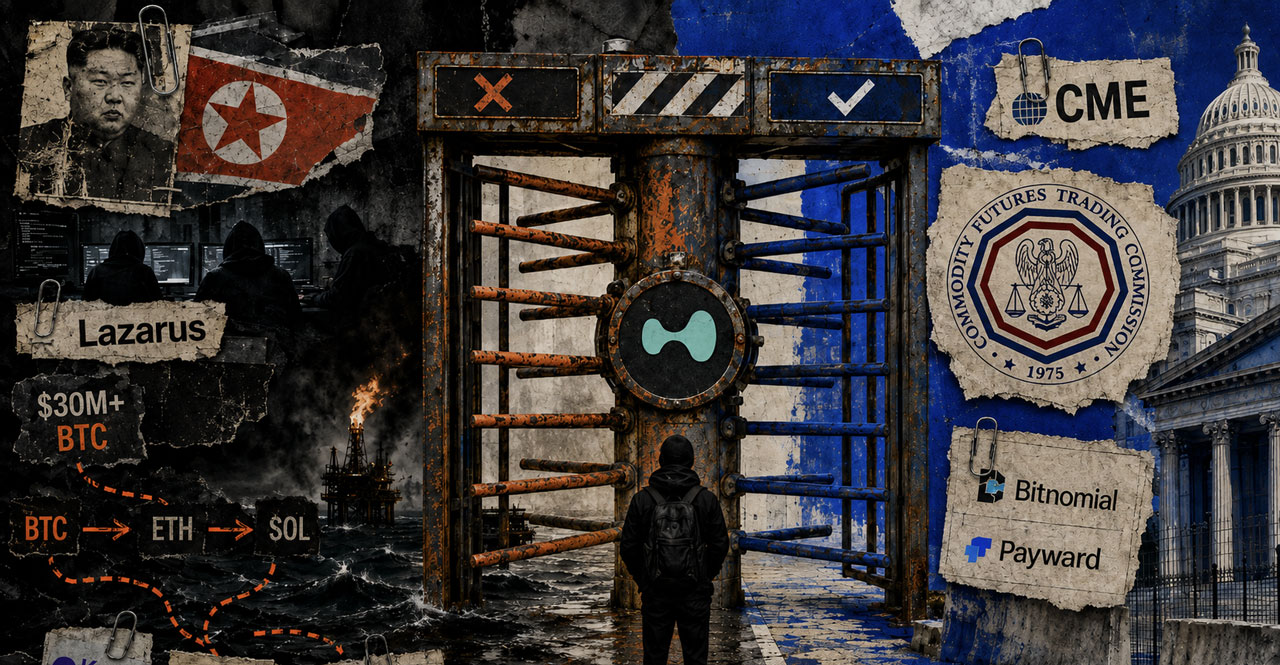
Wallets linked to North Korea's Lazarus Group sold more than $30m of bitcoin through Hyperliquid over a three-week period, according to blockchain analytics firm Arkham, a finding that lands just as the exchange reportedly seeks a regulated route into the US.
The Arkham analysis, reviewed by CoinDesk and reported on 31 August, found that the proceeds were converted into ether and solana and then moved to Kraken, LBank and KuCoin. Bloomberg, also on 31 August, said Hyperliquid Labs and Payward, the company that owns Kraken, were far along in negotiations over a regulated way into the US market.
For Hyperliquid's critics, the timing is convenient. In May, exchange operators CME and ICE told Washington that Hyperliquid's pseudonymous markets, which trade around the clock, could allow sanctioned state actors to get around enforcement. CryptoSlate, which examined the episode on 2 September, argued that the Lazarus sales give incumbent exchanges a concrete example to point to.
How the US route would work
Under the arrangement Bloomberg described, US customers would trade perpetual futures on Payward's Bitnomial exchange. Those contracts would track the price of tokens built on Hyperliquid's blockchain technology, and the plan is subject to regulatory approval.
Payward agreed in April to buy Bitnomial for up to $550m and closed the deal on 1 May. Bitnomial is registered as a designated contract market, a derivatives clearing organisation and a futures commission merchant, which together cover trading, clearing and customer brokerage.
Kraken already offers CFTC-regulated crypto perpetuals to US users. President Trump said on 19 August that Selig, who leads the CFTC, was working to bring Hyperliquid into the US legally.
The question the reports leave open
Whether the Lazarus findings threaten the deal depends on a detail that neither Bloomberg nor the Arkham work addresses: how the US structure would connect to Hyperliquid's own market.
The reports do not say whether orders placed on Bitnomial would reach Hyperliquid's order book, whether the two venues would share liquidity, whether open positions would ultimately be settled on the Hyperliquid blockchain, or whether Payward and its market makers would offset their risk on the offshore venue.
CryptoSlate set out three broad outcomes:
- A fully segregated Bitnomial market, which would favour Selig and Payward.
- Shared liquidity with Hyperliquid, which would strengthen CME's position.
- Separate US trading with hedging done offshore, which would remain contested.
The two sides read the same facts differently. CME's camp sees the Lazarus case as proof that permissionless, pseudonymous markets lack the identity checks and surveillance that US intermediaries must apply. Supporters of onshoring argue the opposite: that unregulated offshore access is the real gap, and that a registered US structure would bring onboarding, compliance and surveillance obligations that never applied offshore.
CME's lawsuit and its limits
CME has already gone to court. On 18 June it sued Selig in the US District Court for the District of Columbia, contesting the regulator's approval for Kalshi and similar exchanges with designated contract market status to offer crypto perpetuals under the futures label. CME argues the products should be regulated as swaps, which carry different rules on swap-dealer registration, margin, reporting, collateral and tax, and claims it has suffered competitive harm.
The court gave the CFTC and Selig until 2 September to respond, and CME must answer the anticipated motion to dismiss by 2 October. CryptoSlate's view is that the Lazarus case has no bearing on the legal question of how the contracts are classified, but that it hands CME a stronger public and political narrative.
There are clear limits to what CME can achieve. It can litigate, lobby Congress, press for surveillance and sanctions-screening rules, and challenge future agency decisions where it has standing. It cannot veto the Payward deal or compel the CFTC to reject a product. Even a full victory in the current case would only keep Hyperliquid-linked products out of this particular futures framework.
ICE has also softened its stance. Its chief executive, Jeffrey Sprecher, said ICE was "not freaked out about Hyperliquid", calling the exchange a wake-up call while stopping short of opposing it, and saying the two companies were helping each other understand their markets.
What to watch
The most important signal will be any detail on how Bitnomial's Hyperliquid-linked contracts connect to the offshore venue, since that determines how directly the sanctions concerns bear on the US product.
Regulators' response to the Lazarus findings, including any push for tighter sanctions screening, and the next steps in CME's case will shape how much room the deal has.
More from peatpost

Bitcoin's Rebound Nears $85,000 Cost-Basis Cluster as Ether Whales Trim Bullish Bets
Bitcoin briefly topped $84,000 and Ether regained $2,500, but investor cost-basis data and $26.5bn of Ether futures positioning point to hurdles ahead.
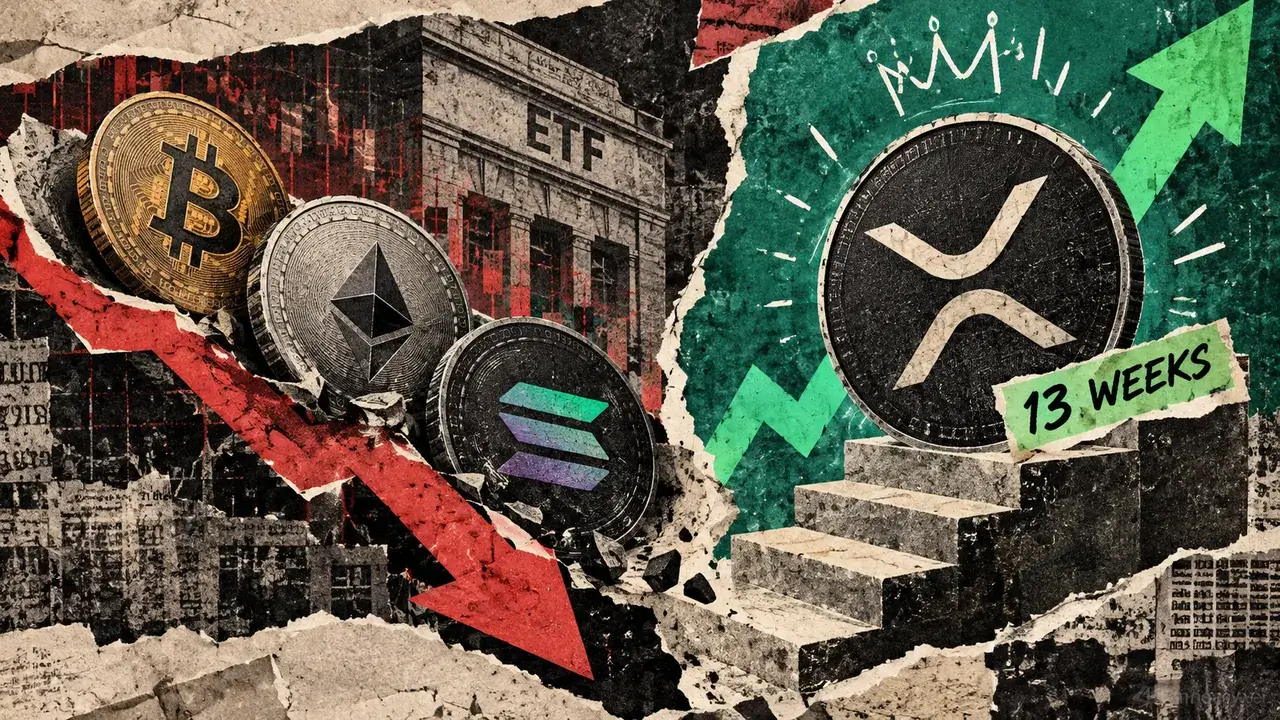
Bitcoin, Ether and Solana ETFs Shed $1.25bn as XRP Funds Log 13th Week of Inflows
Bitcoin funds posted their first losing week since mid-September and Ether products their heaviest redemptions since January, according to SoSoValue data.

79thVault Token Pool Drained of $14.35m Despite 79% of Liquidity Being Burned
A privileged permission in the 79AU token let coins leave its PancakeSwap pool without payment, Bitquery found, bypassing the burned liquidity entirely.
Discussion
0 commentsNo comments yet — be the first to weigh in.