Now That Nostalgia Is Big Business, It May Be Disappearing
Companies got so good at selling the past that they made it permanently available — and in doing so weakened the feeling they were selling.
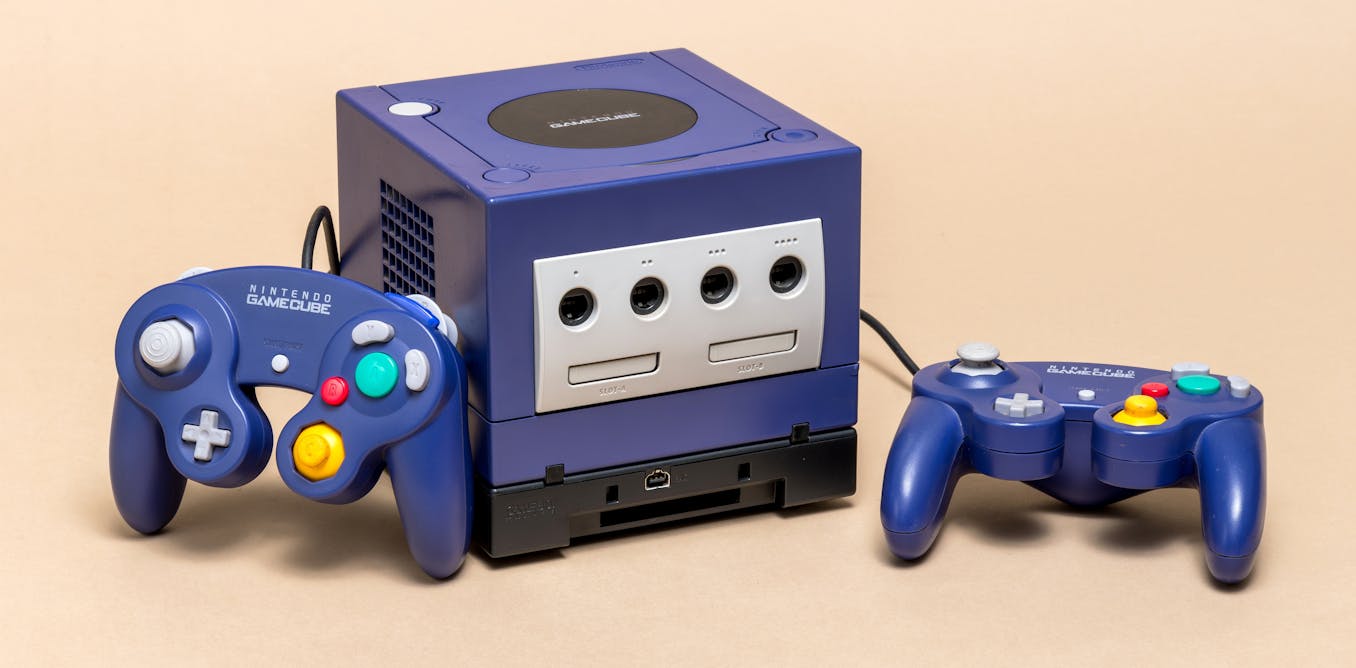
Retro is booming. Nintendo keeps bringing back old games. Hollywood cannot stop making sequels and remakes. Netflix fills screens with shows inspired by the 1980s. Spotify recommends songs we loved as teenagers. Facebook reminds us what we were doing on this day ten years ago.
For business, the past has become extremely valuable. The market for retro entertainment has never been stronger, and companies know that looking backwards helps sell products today. A familiar logo, an old game or a favourite song creates an instant emotional connection.
The mechanism marketers learned to use
For years, researchers have explained this through nostalgia. Revisiting happy memories can make us feel connected to who we are, remind us of people we care about, and help us cope with difficult periods. Marketers learned to tap that by bringing back old brands, designs and experiences.
But there is a question nobody asked while the strategy was working: what happens if businesses get too good at selling nostalgia?
Research suggests digital technology is changing nostalgia itself. By making the past permanently available, companies may be weakening the very feeling they are trying to monetise.
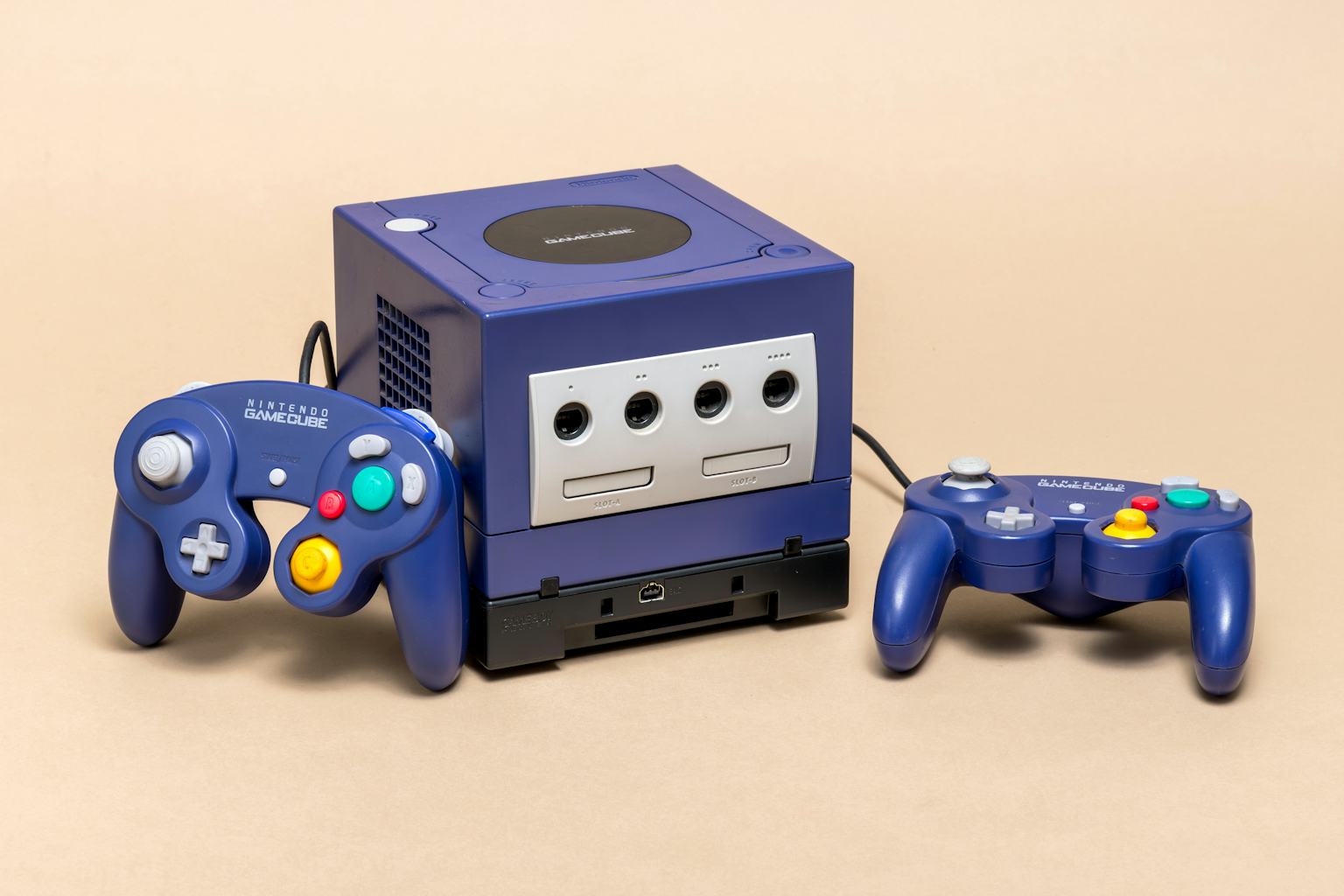
Why games show it most clearly
Not long ago, if you missed an old game, that was it. Consoles became obsolete, cartridges stopped working, arcade machines disappeared. Part of what made those games special was that they belonged to another time and were difficult to return to.
Today the opposite holds. Nintendo lets players revisit classics through online subscriptions. PlayStation regularly releases remasters. Publishers such as Nightdive Studios restore forgotten titles for modern machines. Fans can play hundreds of classics through online archives. Old games rarely stay old for long.
Three practices
The research identifies three connected industry behaviours.
The first is preservation: digital archives, cloud storage and online libraries keep games, films, music and photographs available for decades rather than letting them disappear.
The second is restoration: old products are cleaned up for modern audiences. Games get better graphics and sound; AI improves old photographs and recordings. The past returns looking newer than it ever did.
The third is what the researchers call foreverisation. This goes beyond preserving or restoring. Companies continually remake, reboot and recycle successful ideas so they never really leave the market. Instead of revisiting the past occasionally, consumers encounter an endless supply of new versions of it.
The self-defeating part
Nostalgia depends on distance. The feeling requires a gap between then and now — something lost, recovered briefly, and understood as belonging to a different period of your life.
Foreverisation closes that gap. A franchise that never stops shipping instalments never becomes an object of memory, because it never stops being a current product. The remaster that arrives every three years is not a return to something; it is simply the thing, still going.
What this means commercially
If the analysis holds, the industry has been drawing down a finite resource. Each remake extracts value from an emotional reserve built during a period when media was scarce, transient and tied to a moment.
The generation that grew up with everything permanently available may simply not accumulate that reserve. You cannot feel nostalgic for something that never went away — which would make nostalgia not a permanent feature of consumer psychology but an artefact of a particular technological era, one the industry is busily bringing to an end.
More from peatpost

Real Estate Market Forecast 2026: U.S., Spain, Italy and Switzerland Face a Changing Landscape as Crypto Enters the Property Market
Global housing markets diverge in 2026 as mortgage rates ease, supply shortages persist, and blockchain-based transactions move from pilot projects toward mainstream adoption.

Clarity Act Odds More Than Doubled to 31% as Trump Reportedly Backed Ethics Limits
The crypto market structure bill needed 60 Senate votes to reach floor debate; supporters likely required nine Democrats, and none had publicly committed.

India to push BRICS digital currency link despite hurdles, sources say
India is chairing BRICS this year, with leaders of the bloc set to meet in New Delhi on September 12 to 13.
Discussion
0 commentsNo comments yet — be the first to weigh in.