Nuts Should Be Banned on Planes
People with severe allergies must be able to travel without fear. At 30,000ft there is nowhere to go and no ambulance to call.
What are you most frightened of? Snakes, perhaps. Heights. Peanuts sound like an odd candidate for a phobia, but for the parent of a child taken to hospital by ambulance after eating peanut butter at six months old, they acquire an absurd bogeyman quality. The sight of a bowl on a pub bar, or shells discarded on a pavement, can raise the heart rate even when the child is nowhere nearby.
Nowhere is that sight more confronting than at 30,000ft.
What makes an aircraft different
The argument against a ban usually begins by pointing out that people with allergies manage everywhere else, and that a plane is just another enclosed public space. It is not.
A restaurant has a door. A train stops at stations. An aircraft in cruise is hours from a hospital, in a sealed cabin with recirculated air, staffed by people whose medical training is real but limited, carrying whatever happens to be in the onboard kit. Anaphylaxis is survivable when adrenaline is administered quickly and the patient reaches emergency care. The second half of that sentence is unavailable over the Atlantic.
Risk is not only a matter of probability. It is probability multiplied by what happens if you are unlucky, and the aircraft changes the second term dramatically.
The current arrangement is not a policy
Most airlines will make an announcement asking passengers to avoid consuming nuts if you tell them somebody in your party has a severe allergy. Some create buffer zones. Some do nothing.
This is the part that deserves scrutiny. What exists today is not a safety standard but a patchwork of goodwill, activated only if a passenger discloses, and delivered differently by every carrier. A family flying with an allergic child has to research each airline's policy, declare a medical condition to a call centre, and hope the crew on the day follows through.
No other aviation safety measure works this way. We do not ask passengers to individually request that the emergency exits be kept clear.
The objections, taken seriously
The strongest counter-argument is proportionality. Airborne peanut particles are a genuinely contested mechanism, and the evidence that cabin air transmits enough protein to trigger a severe reaction is weaker than the public debate assumes. Most in-flight reactions involve ingestion or contact with residue on surfaces.
That is worth conceding, and it changes the remedy rather than defeating it. If contact and ingestion are the real risks, then removing nut products from the cabin and cleaning tray tables properly addresses the actual pathway — which is precisely what a ban would do.
The second objection is that a ban treats one allergen as special when many exist. True. But peanuts are unusual in combining severity, prevalence in children, and complete dispensability as an in-flight snack. Nobody boards a plane because of the nuts.
What a compassionate society does
The imposition on everyone else is a few hours without a specific snack, chosen from a trolley containing many others.
Set against that: a family that can board a flight without rehearsing an emergency, without cleaning the seat area themselves, without watching the row in front, and without carrying the knowledge that the nearest hospital is four hours and one diversion away.
That is not an unreasonable trade. It is close to the cheapest accommodation any minority has ever been asked to be granted, and the reason it has not happened is not cost or evidence. It is that the people it would protect are a small group, and the people mildly inconvenienced are everyone else.
More from peatpost
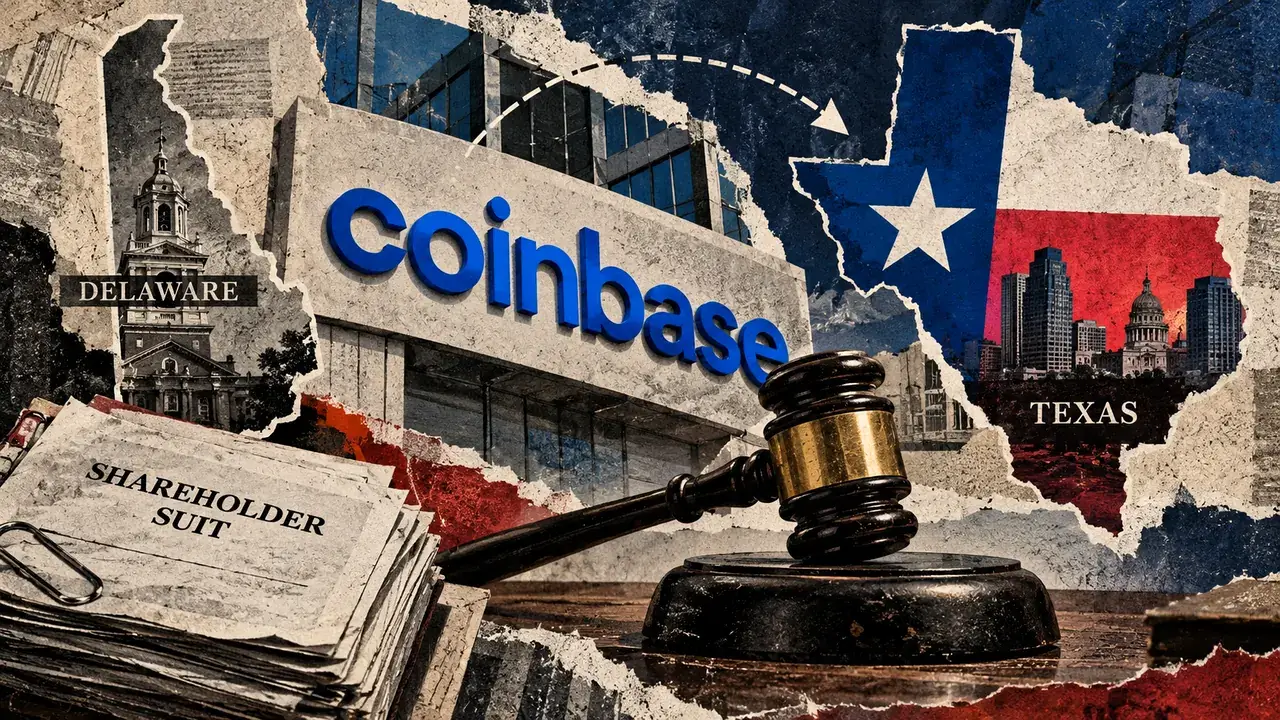
Texas Court Dismisses Coinbase Shareholder Suit Over Delaware-Era Conduct
The Texas Business Court applied the state's written-demand rule after Coinbase reincorporated, even while assuming Delaware law governed the underlying claims.

Bullish and Equiniti Form Coalition for Issuer-Sponsored Tokenised Stocks
Alpaca, Apex Fintech Solutions and DriveWealth are early members of a group that wants tokenised shares to preserve the direct link between companies and their shareholders.
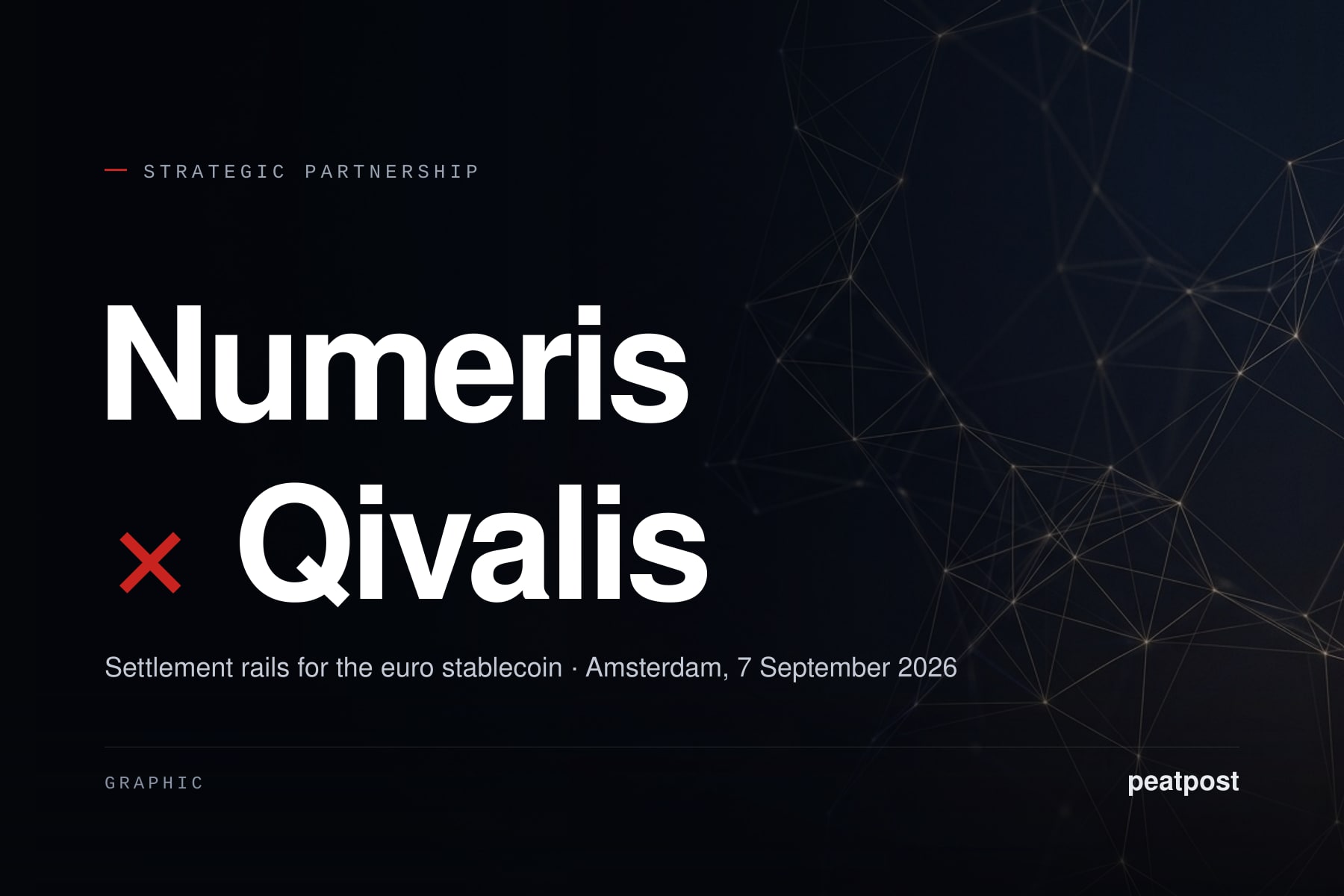
Qivalis Partners With Numeris to Build Settlement Rails for Its Euro Stablecoin
The Amsterdam-based banking consortium behind Europe's largest bank-backed euro stablecoin project has signed a multi-year collaboration with payments-infrastructure firm Numeris, covering settlement, reconciliation and merchant acceptance ahead of a launch planned for the second half of 2026.
Discussion
0 commentsNo comments yet — be the first to weigh in.