One Coin, One Tonne: Auragreen Wants to Put Europe's Carbon Removals on the Blockchain
Auragreen Coin (AGC) would back every token with a tonne of biochar carbon removal locked at Finland's Puro.earth, just as Brussels writes the rulebook for both carbon removal and crypto.

Carbon credits and crypto have a messy history together. A new project called Auragreen Coin thinks it has worked out how to make the pairing finally hold up, and it is betting on Europe to make it happen.
The idea is simple to say: 1 AGC = 1 tonne of CO₂ removed. Each coin is designed to be backed by one verified tonne of durable carbon removal, starting with biochar, held in a registry account at Puro.earth, the Helsinki-based carbon removal registry majority-owned by Nasdaq.
"A green digital asset, built on data you can verify," is how the project describes itself on its website. Its pitch to buyers is just as direct: "Know what your capital protects."
How the coin works
Most carbon tokens of the past were built by retiring a credit and minting a token against the leftover record. Auragreen does the opposite. A coin is only created when a tonne is locked in a registry account, and the credit stays live underneath it.
That gives every coin two possible endings:
- Retire: the tonne is used up in the holder's name, for example to offset a company's emissions, and the coin is burned.
- Redeem: the tonne moves out of the reserve and into the holder's own registry account.
Each credit's serial number is hashed on-chain when a coin is minted, so anyone can look it up at the registry on any day. An independent accountant is meant to confirm every month that the serials on-chain match live, locked credits.
The reserve also holds a 5% buffer of extra tonnes on top of one-for-one backing. If a credit is ever invalidated, a buffer tonne replaces it the same day.
The price is kept in check by arbitrage rather than a treasury. Minting costs a 0.5% fee and redeeming 1%, both paid in tonnes, which creates a corridor about 1.5% wide. If the coin trades above it, it pays to mint a new one and sell it. If it falls below, it pays to buy one and take the tonne.
The coin is planned as an ERC-20 token on an Ethereum rollup, with 0.001 AGC, or one kilogram, as the smallest unit that can be retired.
Why biochar, and why Finland
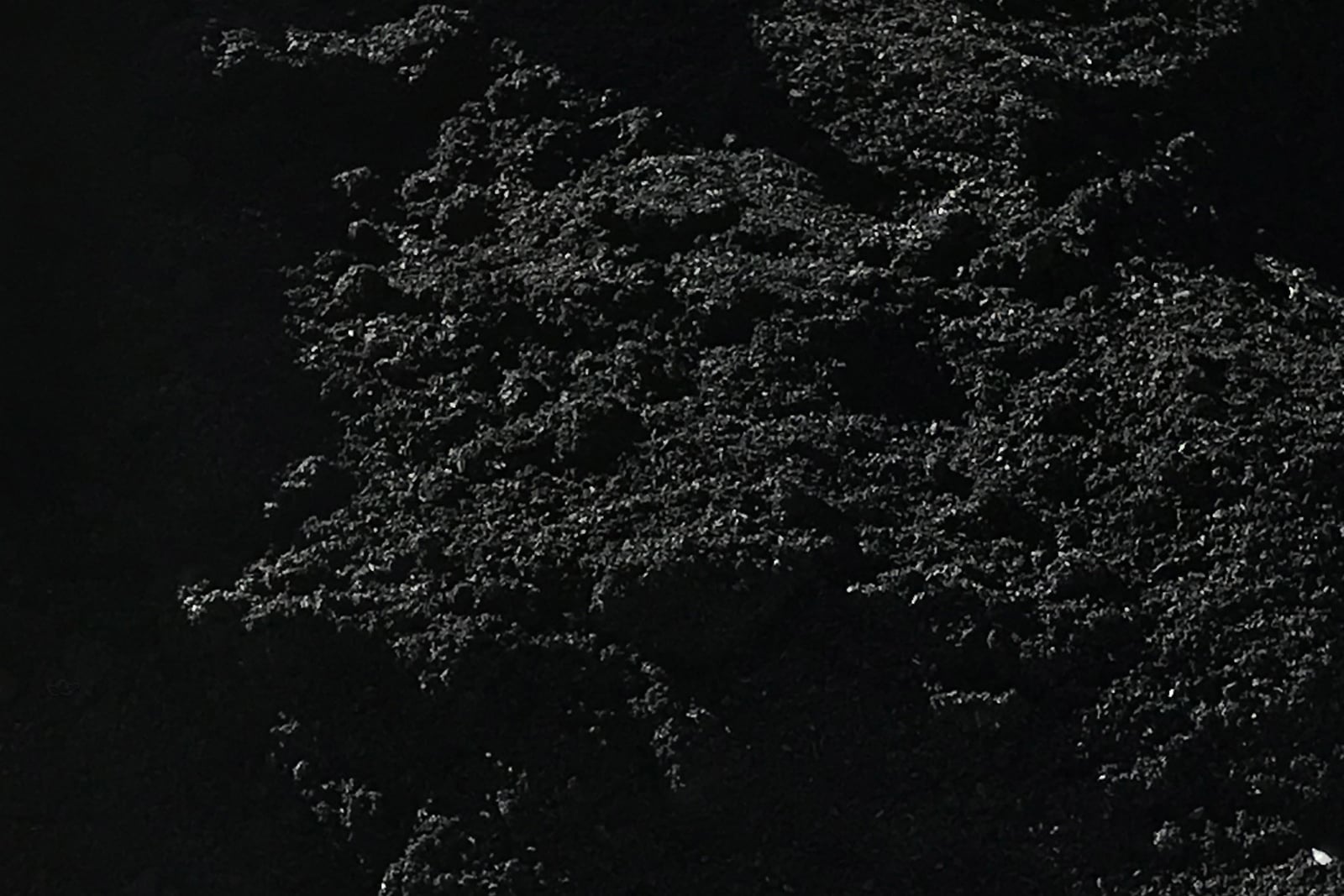
Biochar is a charcoal-like material made by heating plant waste without oxygen. Mixed into soil, it can lock carbon away for centuries. It is also the cheapest form of durable carbon removal on the market today.
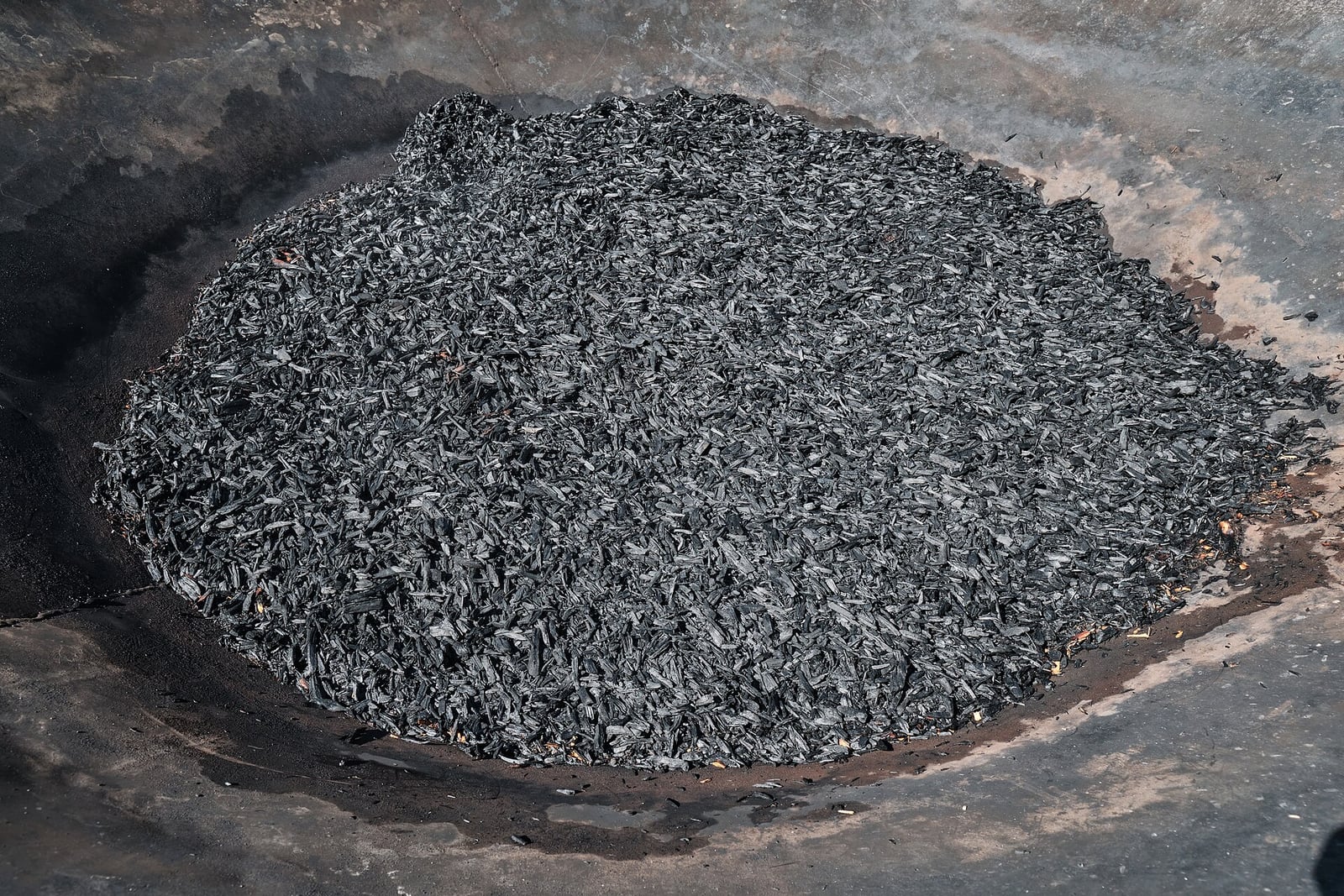
According to Auragreen's design paper, biochar accounts for about 80% of durable removal deliveries to date and trades at roughly $125 to $177 a tonne, against $500 or more for direct air capture. Because redemption always hands out the cheapest tonne in the reserve, the coin is designed to track the price of biochar.
Puro.earth is central to the plan. The Finnish registry offers the APIs that let a credit be locked in a sub-account while a coin exists and then released or retired when it is burned. The design paper says Puro.earth issued about 659,000 durable removal credits in 2025, more than any other registry in that segment.
Europe is writing the rules
The timing is no accident. Europe is building legal frameworks for both halves of the project at once.
On the carbon side, the EU's Carbon Removals and Carbon Farming (CRCF) regulation is creating the bloc's first official certification system for removals. Its first technical rules, covering biochar, bioenergy with carbon capture and direct air capture, were published in April and took effect on 7 May.
Brussels has also proposed a 2040 climate target of a 90% cut in net emissions, which will lean on permanent removals for the emissions that cannot be cut.
On the crypto side, the EU's Markets in Crypto-Assets regulation (MiCA) is now in force. Auragreen says its coin would be treated as an asset-referenced token, and that it will limit distribution in the EU to qualified investors until it has that authorisation. MiCA requires authorisation for public offers above €5 million over 12 months, and the planned genesis reserve alone is well above that.
Learning from 2021
Auragreen is open about what went wrong the last time. In 2021 and 2022, tokenised carbon pools absorbed tens of millions of cheap, old credits that had no other buyers. Prices collapsed to the worst credit in the pool, and registries cut the bridges.
The project's answers are its "four rules": lock, never retire, to mint; one grade only, priced at what it can deliver; no yield, no pre-mine and no new coins beyond the buffer; and monthly attestations that anyone can check daily.
"Nothing to trust. Everything to check," the project says.
Gates, not dates
Instead of a calendar, Auragreen's roadmap sets four "gates", each ending only when something outsiders can check has happened:
- Genesis: biochar suppliers deposit the first tonnes (a design target of 100,000) and the first independent attestation is published. This phase is currently in build.
- Corridor: 30 days with the price held inside the corridor by at least 10 verified counterparties.
- Breadth: a second removal method, such as enhanced rock weathering, makes up 15% of the reserve for 90 days.
- Settlement layer: monthly retirements through the coin pass 1% of global durable retirements.
The fine print
This is not a coin anyone can buy today. Auragreen describes its documents as "a design paper, not an offer", and says there is no token sale, staking or airdrop. Coins will exist only against locked tonnes.
The operating company has not yet been incorporated, according to the site's legal pages. The design paper puts the equity needed at launch at $7.5 million and says fees would only cover operations once about 167,000 tonnes are retired through the coin each month, a large number next to today's durable removal market.
The coin is also not a stablecoin. Its price is designed to move with the price of carbon removal, up or down.
What to watch
- Whether Auragreen incorporates and names the reserve and operating companies.
- The first monthly attestation, which would mark the end of the genesis phase.
- Progress on MiCA authorisation, which would open the coin to EU retail buyers.
- Whether more registries allow tokenisation through their own systems.
Crypto-assets are volatile and can lose value. This article is not investment advice. Photos: AGC logo courtesy of Auragreen Coin; biochar kiln by the GIZ Bush Control and Biomass Utilisation Project / Wikimedia Commons (CC BY-SA 4.0); biochar pile by Deborah Page-Dumroese, USDA Forest Service / Wikimedia Commons (public domain).
More from peatpost

LNbits Tells Operators to Shut Down Bitcoin Payment Servers After Wave of Attacks
The Lightning payments project has disabled its hosted service and asked self-hosters to stop their instances, but no stable fix or restart clearance has been published.
Bitget Launches Open Custody Network to Separate Trading From Asset Storage
The exchange says eligible users can trade on its venue while assets sit with external banks and custodians, but the real protection depends on how settlement is designed.

Aave Labs Acquires Avon Team and Technology in Push Towards Fixed-Rate Onchain Lending
The deal brings Avon's order-book technology and three staff to Aave Labs, though no fixed-rate Aave product has yet launched and financial terms were not disclosed.
Discussion
0 commentsNo comments yet — be the first to weigh in.