Publishers Have Sought to End Game Discs Since 2007, Former Infinity Ward Strategist Says
Robert Bowling says Activision discussed going all-digital during Call of Duty 4 to sidestep resale and platform disc fees, as backlash grows over Sony's reported plans.
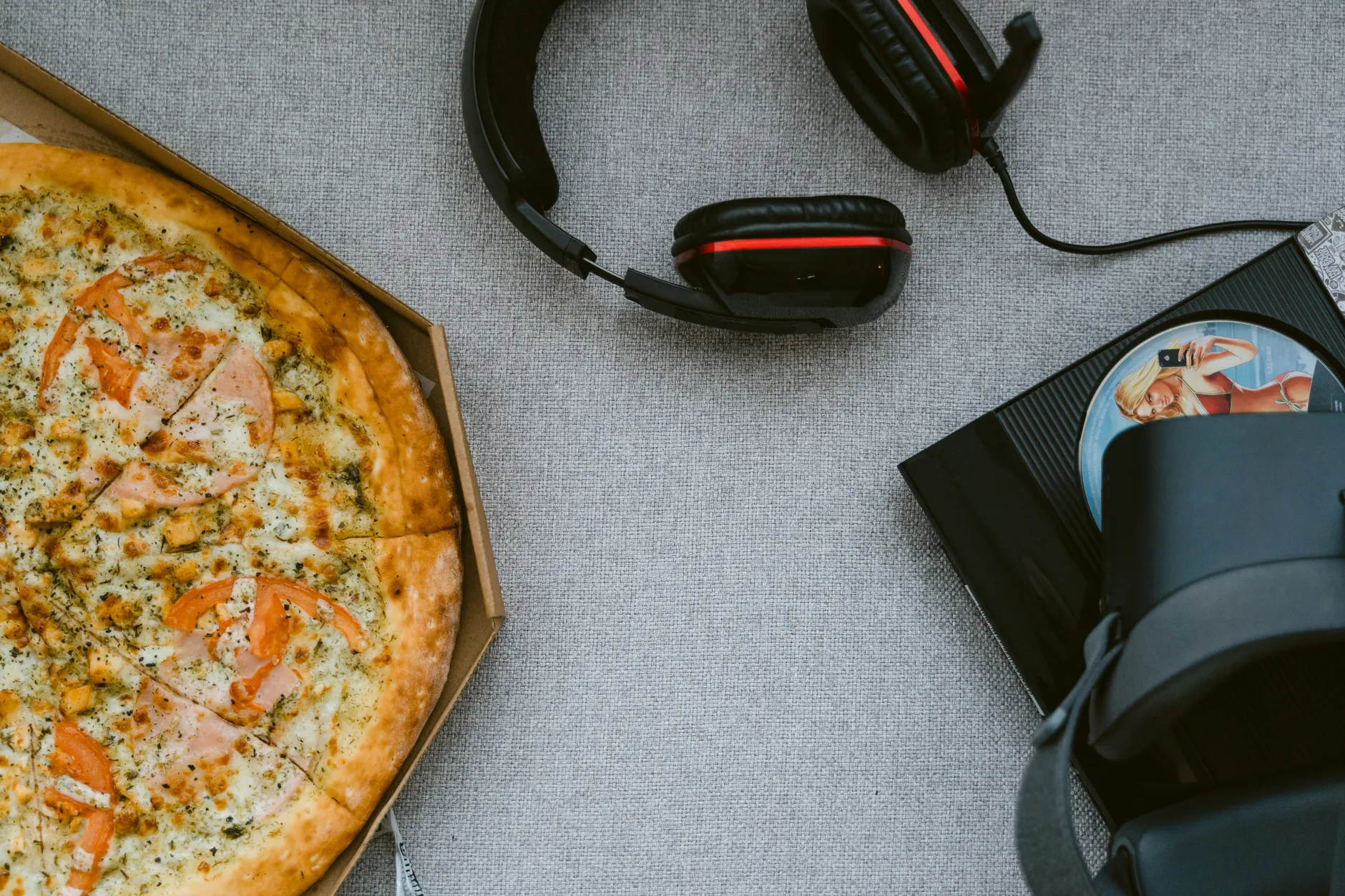
Video game publishers have been trying to phase out physical discs for close to two decades, according to Robert Bowling, a former creative strategist at Call of Duty developer Infinity Ward. He told Decrypt the push has been driven by profit margins and a desire to shut down the second-hand market.
Bowling, who worked on the Call of Duty franchise at Infinity Ward from 2006 to 2012, said he first heard discussions about abandoning discs in 2007, while the studio was making Call of Duty 4: Modern Warfare.
An idea floated during Call of Duty 4
According to Bowling, an executive at Activision, which publishes Call of Duty, suggested at the time that a fully digital approach would let the company avoid the resale question altogether and give it control over the market for its games.
Bowling said the same move would also allow publishers to escape the fees that Microsoft and Sony charge for releasing a game on an Xbox or PlayStation disc. For a publisher shipping millions of copies, removing both manufacturing costs and platform disc charges would make a meaningful difference to the economics of each sale.
He described a behind-the-scenes effort by publishers to persuade GameStop, the specialist retailer, to share the revenue it earned from reselling used games. GameStop prevailed in that dispute, Bowling said, which led publishers to consider removing discs as a way to eliminate the resale market entirely.
Bowling said he objected internally, warning that the industry would be giving up the pleasure and liberty of building a game collection simply to boost profits. He told Decrypt that this ran against the culture shared by players and developers.
Activision did not immediately respond to Decrypt's request for comment.
Why the resale market matters to publishers
The second-hand market has long been a point of tension in the games business. When a physical copy is sold on, the retailer handling the transaction keeps the proceeds, while the original publisher receives nothing from the subsequent sale. For publishers, each used copy sold can represent a lost new sale.
Digital distribution changes that equation. A game bought through an online store is tied to a user account and generally cannot be sold on, which means every player who wants the title must buy it from the platform. It also removes the cost of pressing discs, printing cases and shipping stock to retailers.
Bowling argued that throughout his 20 years in the industry, publishers have been the only party pushing to remove physical media. In his account, their motives come down to three things: higher margins, lower production costs and the suppression of second-hand sales.
He framed the issue as a split within the industry between those who regard games as software products and those who treat them as art, entertainment, collectibles and part of a lifestyle.
Sony's reported plans and the consumer backlash
Bowling's comments arrive amid controversy over Sony's decision to discontinue discs from 2028, as reported by Decrypt. The prospect has drawn a strong reaction from players, with more than 387,000 people signing a petition called "Don't Kill the Disc".
Ken Kutaragi, the founder of PlayStation, has defended Sony, suggesting that gamers who are unhappy about the end of discs have a problem with their mindset rather than with the decision itself.
Bowling said the main reason Sony did not make the change back in 2007 is that consumer behaviour has since reversed. Where physical copies once dominated, a growing share of players now buy their games digitally, making a disc-free model far more viable than it would have been when the idea was first discussed.
That shift in habits helps explain why the debate has resurfaced now. A platform holder can only remove physical media without major disruption once most of its audience has already moved to downloads. The size of the petition, however, suggests a sizeable minority of players still value physical copies.
Ownership versus licence
A central issue in the dispute is whether buyers actually own digital games. According to court filings cited by Decrypt, Sony has argued that buying a game from the PlayStation Store does not amount to ownership. Instead, the company says, such purchases grant a licence that can be revoked at any time.
That distinction matters. A disc can be lent to a friend, resold, kept on a shelf or played years later without depending on a company's servers or account policies. A licence, by contrast, can be withdrawn, and access can be affected by changes to store terms, account bans or a platform shutting down services.
Bowling said the question of ownership is important to developers. He told Decrypt that studios make games to be bought and enjoyed, and want players to be able to own, share and treasure them. He placed responsibility for the drift towards licensing on publishers such as Sony, which he said focus on the business side while overlooking the effect on players' lives.
Bowling's background and the counterarguments
After leaving Infinity Ward, Bowling worked as a creative consultant at Electronic Arts on titles including Battlefield V, Apex Legends and Star Wars Jedi: Fallen Order. In 2021 he co-founded Midnight Society to develop Deadrop, a crypto-focused extraction shooter, before leaving in 2025 when funding ran out. He now heads //18.bravo, a studio working on a first-person shooter.
His account is that of a developer, and it reflects one side of a long-running argument. Publishers and platform holders would likely point to the practical case for digital distribution: lower costs, no physical inventory, instant access for players and the ability to update games after release. The fact that more consumers now choose downloads also indicates that many players value convenience over physical copies.
The specifics of the 2007 discussions rest on Bowling's recollection, and Activision had not commented at the time of Decrypt's report. Kutaragi's remarks also show that some senior figures in the industry see opposition to a disc-free future as a matter of attitude rather than substance.
What to watch
The debate is likely to intensify as 2028 approaches. Several issues will shape how it plays out:
- Whether Sony formally confirms or adjusts its timetable in response to the petition and wider criticism
- How courts and regulators treat the distinction between digital ownership and revocable licences
- Whether other platform holders and publishers follow a similar path or retain physical editions
- How retailers that depend on used-game sales respond to a shrinking pool of physical stock
For now, Bowling's account adds an insider's perspective to a question that has followed the industry since the early days of digital storefronts: whether players are buying games, or merely the right to play them for as long as the platform allows.
More from peatpost
Bitcoin Steadies Near $75,000 as Binance Hack Fallout Stays Contained
Analysts credit Binance's pledge to cover $6.3bn in losses with limiting the damage, while custody design and macro data move into focus.

Analysts Say Binance's Pledge to Cover $6.3bn Hack Losses Limited Wider Market Damage
Bitcoin's post-hack drop was milder than after the Bybit and Coincheck breaches, and analysts now see US inflation data and Fed policy as the bigger drivers.

Binance Finance Chief Kaiser Ng to Leave, With Justin Yek Named as Successor
The departure, confirmed by co-CEO Yi He to Reuters, follows a six-month handover and comes just over a week after a reported $6.3bn hack of the exchange.
Discussion
0 commentsNo comments yet — be the first to weigh in.