The SHRINCS Proposal Would Make Bitcoin Quantum-Secure. It Has a Catch.
Blockstream has published a BIP for a post-quantum signature scheme already running in production on Liquid.
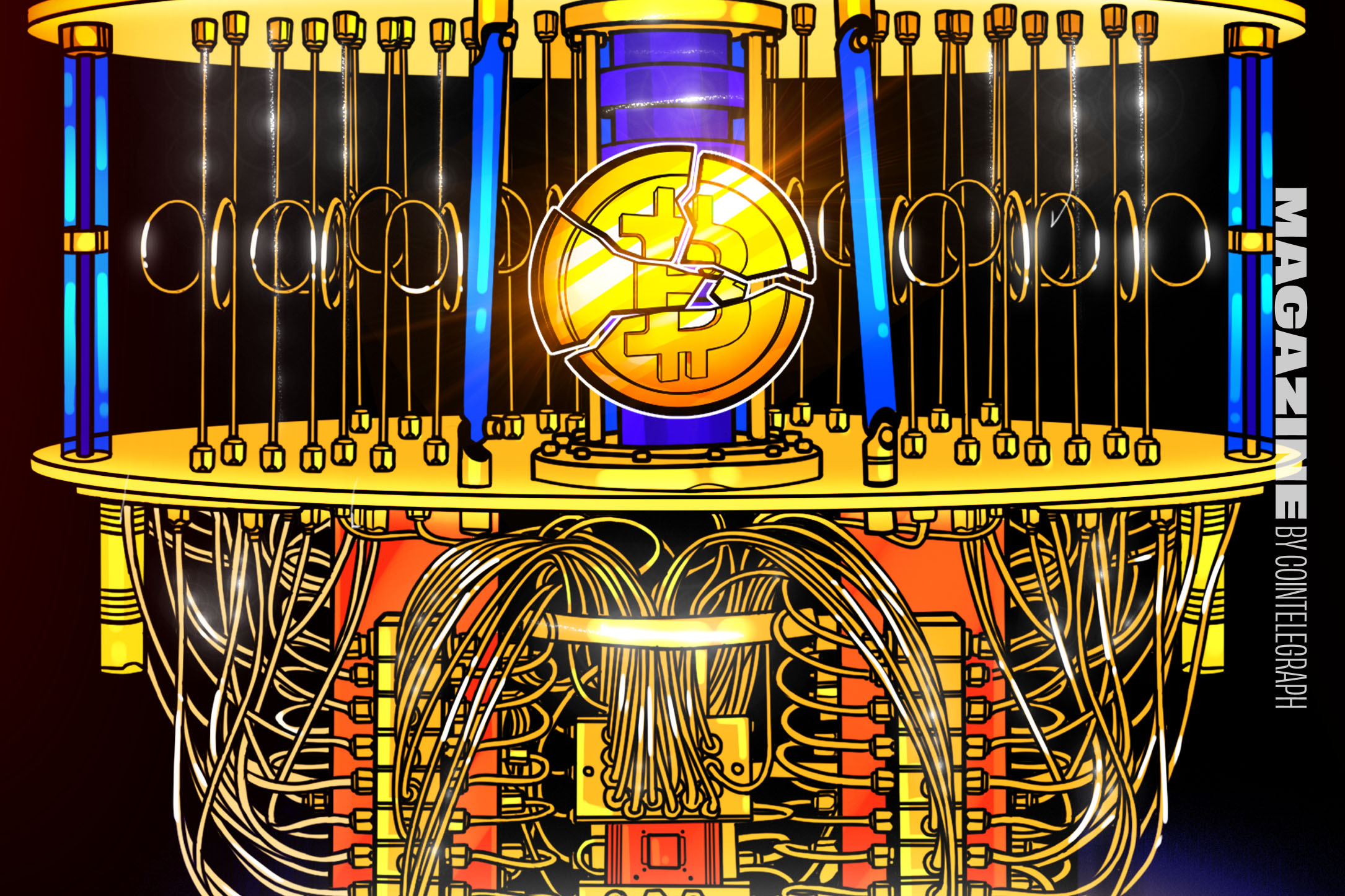
A Bitcoin Improvement Proposal for the SHRINCS signature scheme has been published, setting out a route to make Bitcoin secure against quantum attack.
The unlikely sponsor
Blockstream co-founder and chief executive Adam Back has a reputation as a quantum computing sceptic, arguing the technology is immature enough that the threat will not materialise for decades.
That makes it more interesting, not less, that his company is among the leaders in researching practical defences. Back told Cointelegraph earlier this year that "the safe thing" is to prepare well in advance.
That position is the correct one regardless of the timeline, and it reflects a specific asymmetry: if the threat arrives before the defence is deployed, there is no recovery. Cryptographic migrations across a decentralised network take years, and they cannot be started once the attack is already possible.

Where it has already run
Blockstream has demonstrated the experimental post-quantum scheme working in production on its Liquid sidechain, and Blockstream Research's Jonas Nick called the BIP the first concrete proposal of its kind.
Running first on a sidechain is the right sequence. Liquid is a real network carrying real value, with far fewer participants and a governance model that permits changes Bitcoin's does not. It functions as a testbed where a scheme can accumulate operational evidence before anyone proposes altering Bitcoin itself.
The catch
Post-quantum signatures are large. That is the fundamental trade-off across every candidate scheme, and it is not an implementation detail that better engineering will remove.
The elliptic curve signatures Bitcoin uses today are compact, which is why blocks can hold thousands of transactions. Hash-based and lattice-based alternatives are substantially bigger, and in a system with a hard block size limit, bigger signatures mean fewer transactions per block and higher fees for everyone.
Upgrading to quantum security therefore means accepting reduced throughput and increased cost — permanently, in exchange for protection against a threat whose arrival date is unknown.
The politics of a Bitcoin change
Publishing a BIP is the beginning of a process, not the end of one.
Bitcoin's consensus rules change slowly and only with overwhelming agreement among developers, miners, exchanges, wallet providers and node operators. Taproot, a comparatively uncontroversial upgrade, took roughly four years from proposal to activation. SHRINCS asks the network to accept a measurable, permanent cost against a contested assessment of risk.
That is a considerably harder argument than Taproot faced, and it will be conducted largely between people who disagree about how soon quantum computers become relevant.
Why publication matters anyway
Even if activation is distant, having a concrete specification changes the debate.
Until now, discussion of Bitcoin's quantum exposure has been largely abstract — a risk acknowledged without a remedy on the table. A published BIP, backed by production experience on Liquid, converts it into a proposal with parameters, costs and trade-offs that people can argue about specifically.
That is the necessary precondition for a decision, whenever the network decides it needs to make one.
More from peatpost
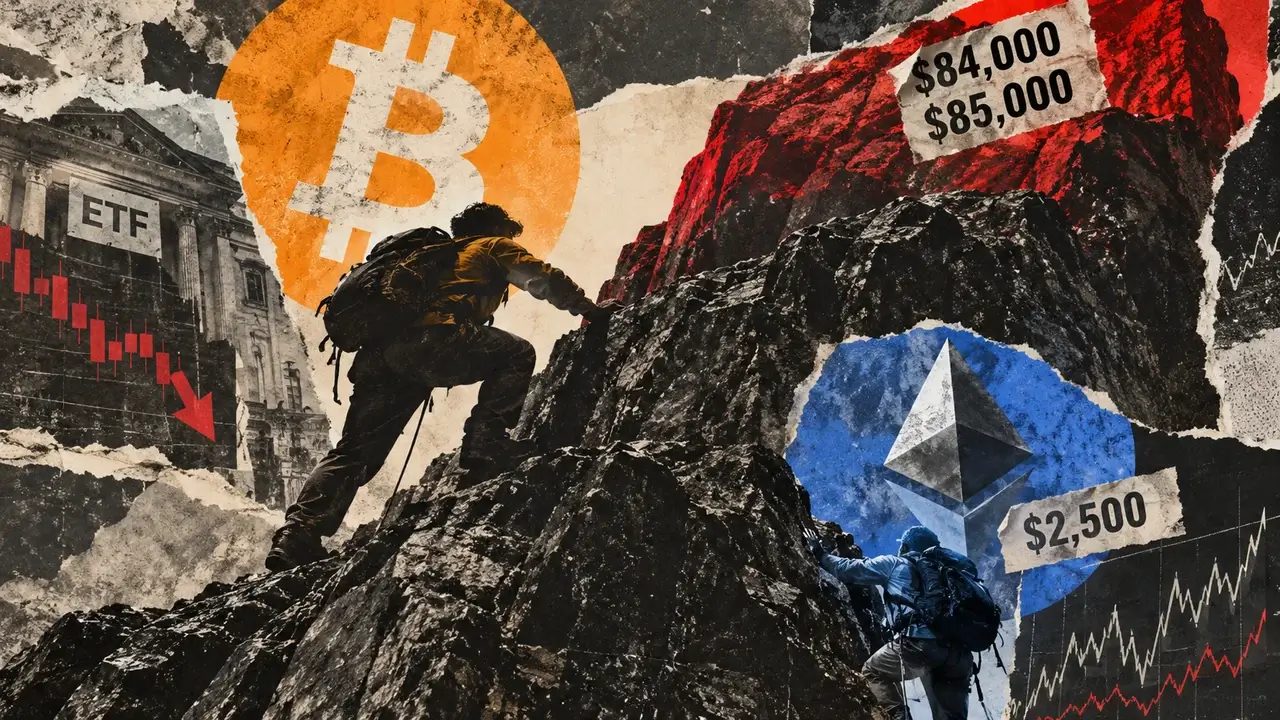
Bitcoin's Rebound Nears $85,000 Cost-Basis Cluster as Ether Whales Trim Bullish Bets
Bitcoin briefly topped $84,000 and Ether regained $2,500, but investor cost-basis data and $26.5bn of Ether futures positioning point to hurdles ahead.
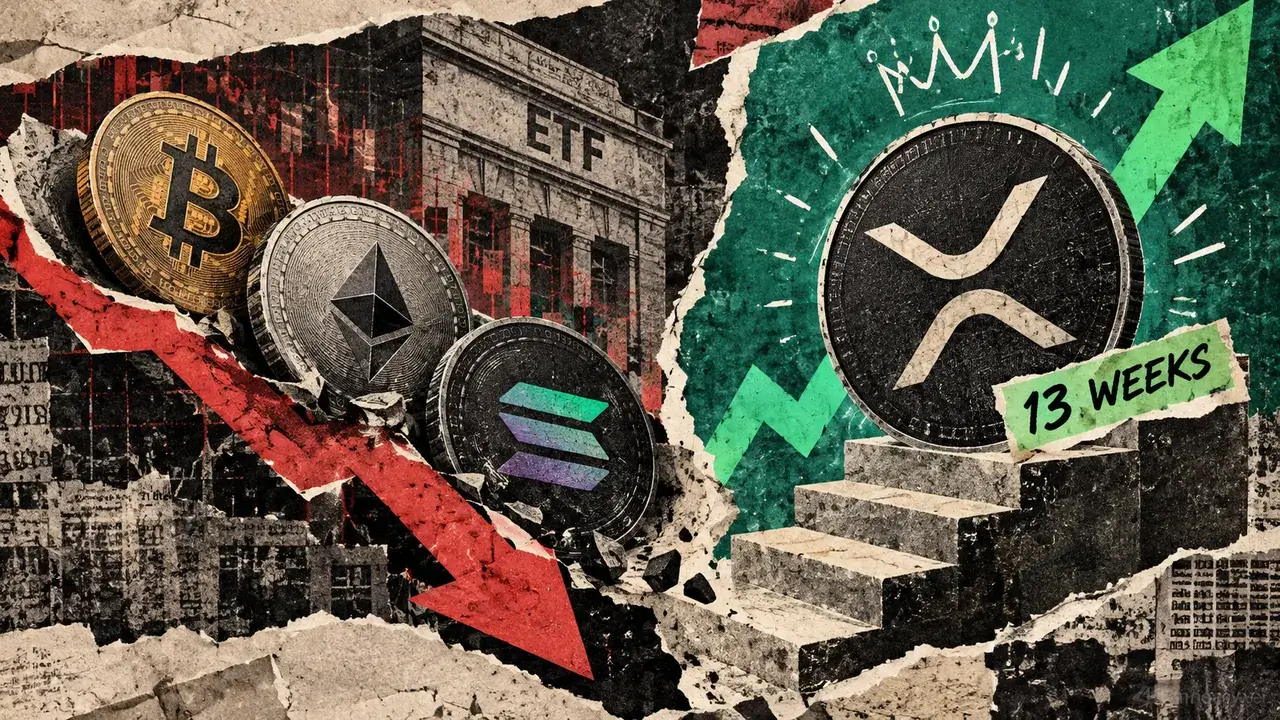
Bitcoin, Ether and Solana ETFs Shed $1.25bn as XRP Funds Log 13th Week of Inflows
Bitcoin funds posted their first losing week since mid-September and Ether products their heaviest redemptions since January, according to SoSoValue data.

79thVault Token Pool Drained of $14.35m Despite 79% of Liquidity Being Burned
A privileged permission in the 79AU token let coins leave its PancakeSwap pool without payment, Bitquery found, bypassing the burned liquidity entirely.
Discussion
0 commentsNo comments yet — be the first to weigh in.