Fears That Social Media Unmoors Children Echo Ancient Greek Fears About Theatre
Britain's under-16 ban takes effect in 2027. The anxiety it expresses is roughly 2,500 years old.

Banning under-16s from social media was among Keir Starmer's last acts as prime minister before stepping down in July 2026. Following Australia's ban in 2025, which accelerated the debate globally, the UK measure is timetabled for early 2027.
As Meta's $18bn settlement over teen addiction demonstrates, there is growing recognition that these platforms pose real risks to young people. Instagram and TikTok deliver an endless stream of algorithmically tailored material, and thinking about the consequences is still developing.
The older version of the argument
What is striking is how closely the anxiety tracks a much older one.
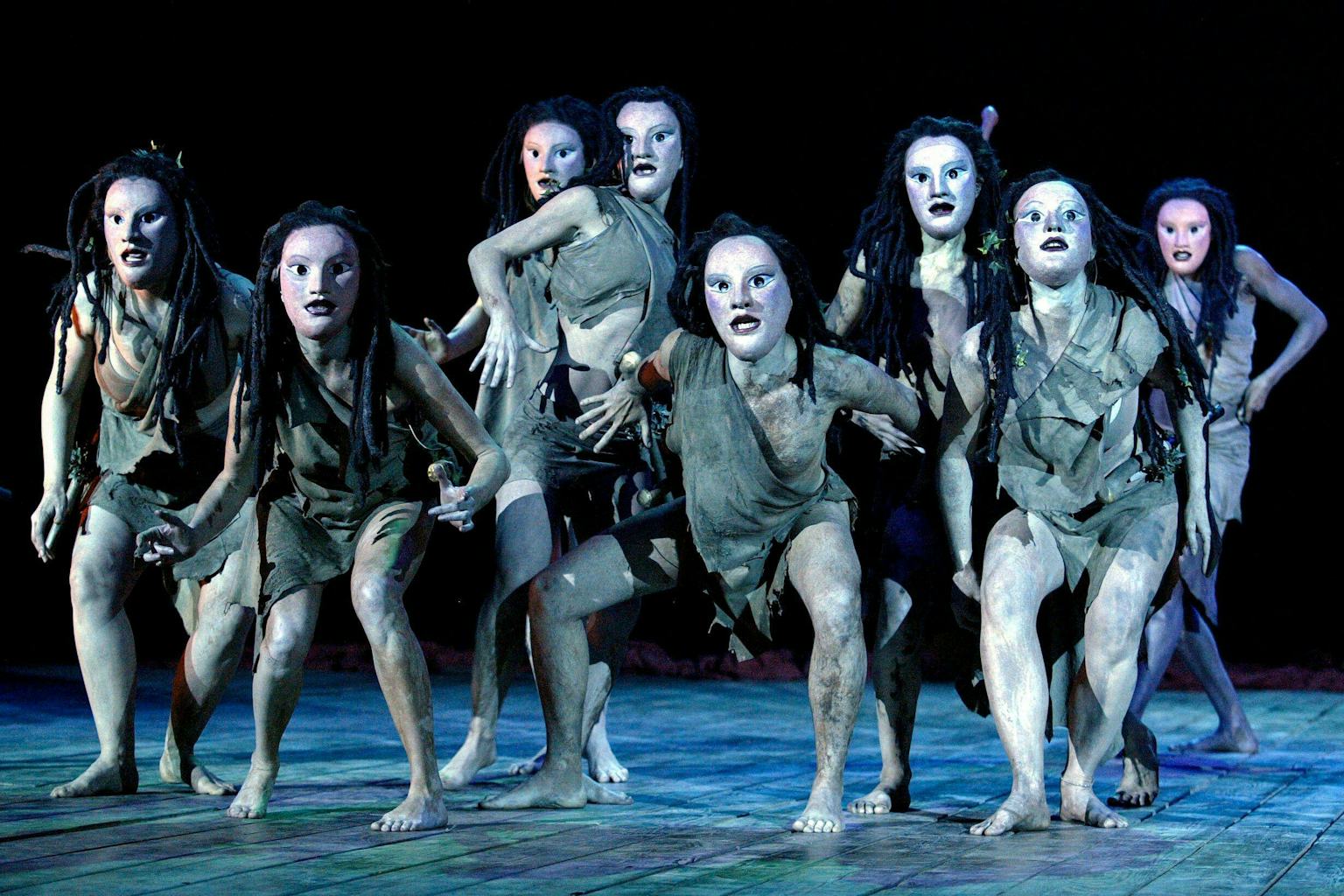
The ancient Greeks worried intensely about theatre. Plato wanted poets excluded from the ideal city, on the grounds that dramatic representation encouraged audiences to identify with emotions that were not their own, weakening their grip on reason and reality. Watching a performer simulate grief, he argued, trained you to be governed by feelings rather than judgement.
Euripides' The Bacchae — a play about what happens when rigid control meets ecstatic experience — was itself part of that argument, staged inside the form being interrogated.
What the parallel establishes
It would be easy to deploy this comparison as a dismissal — every generation panics about a new medium, the panics pass, therefore this one is unfounded.
That conclusion does not follow, and it is worth being careful about why.
The recurrence of a fear tells you something about a persistent human concern: that representation can capture attention, shape emotion and displace direct experience. It does not tell you whether any particular technology does so at a harmful scale. Plato was worried about the right thing and wrong about the magnitude; that does not make everyone since him wrong about everything.
Where the analogy breaks
Theatre and social media differ in ways that matter to the policy question.
A play is a fixed work, of finite length, watched collectively, ending at a known time, made by people whose intentions can be examined. A feed is unbounded, individually generated, optimised continuously against measured engagement, and shaped by a system with a commercial interest in extending use.
Plato's poets wanted to move an audience. A recommendation algorithm is not trying to move anyone; it is solving for time spent, and it will find whatever achieves that in a particular child.
What the history is actually useful for
The value of the comparison is not in settling whether to ban anything. It is in the reminder that societies have repeatedly responded to new representational media by attempting prohibition, and that prohibition has a poor record — while the mechanisms that worked were closer to education, criticism and cultural literacy.
The Greeks did not abolish theatre. They developed a critical vocabulary for it, argued about it publicly for centuries, and produced work that examined its own effects.
That is a slower answer than a ban, and it does not help a parent this year. But it suggests where the effort should go once the ban is in force in 2027 — because a prohibition that expires at 16 has, at best, deferred the question.
What the ban does and does not settle
There is a practical question the historical comparison sharpens usefully.
A prohibition that ends at 16 delivers a cohort into an unregulated environment on a birthday, with no accumulated experience of it and no critical apparatus for handling what they find. Whether that produces better outcomes than gradual, supervised exposure is an empirical question, and Australia's implementation will begin answering it before Britain's starts.
The Greek response to a medium they feared was to teach people how to watch it. That option remains available alongside a ban, and is currently receiving a small fraction of the attention.
More from peatpost
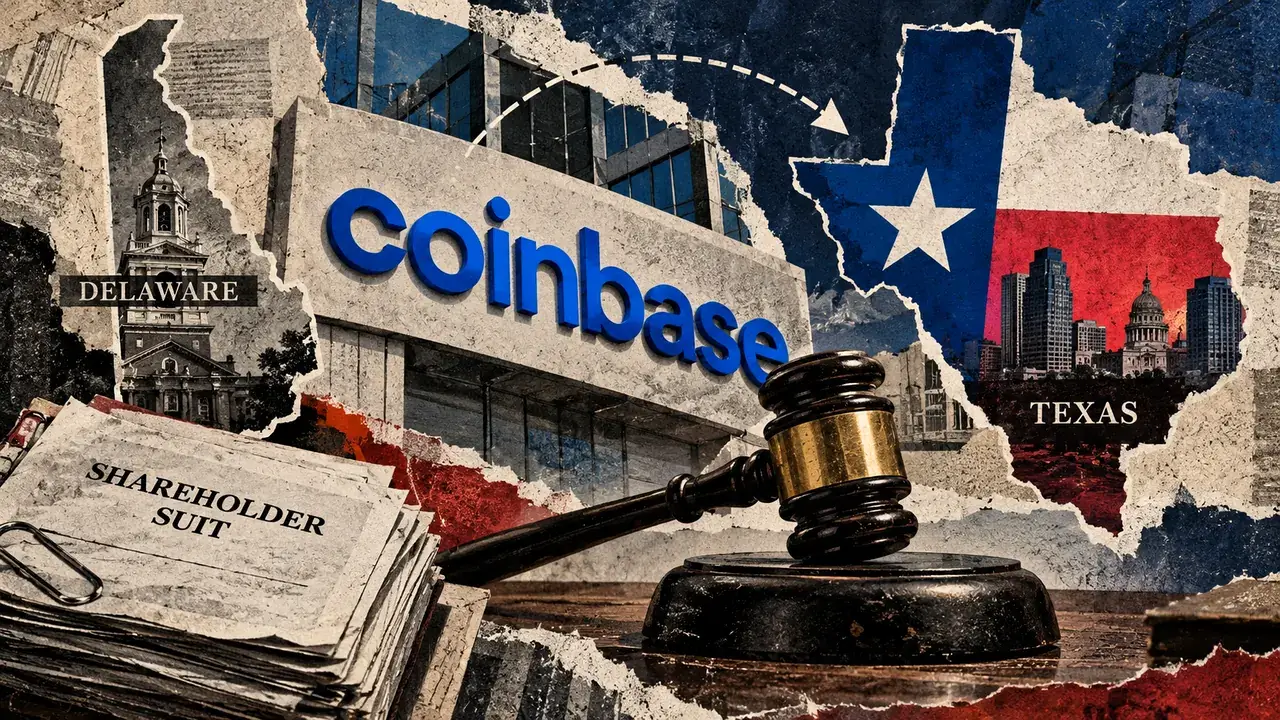
Texas Court Dismisses Coinbase Shareholder Suit Over Delaware-Era Conduct
The Texas Business Court applied the state's written-demand rule after Coinbase reincorporated, even while assuming Delaware law governed the underlying claims.
Bullish and Equiniti Form Coalition for Issuer-Sponsored Tokenised Stocks
Alpaca, Apex Fintech Solutions and DriveWealth are early members of a group that wants tokenised shares to preserve the direct link between companies and their shareholders.
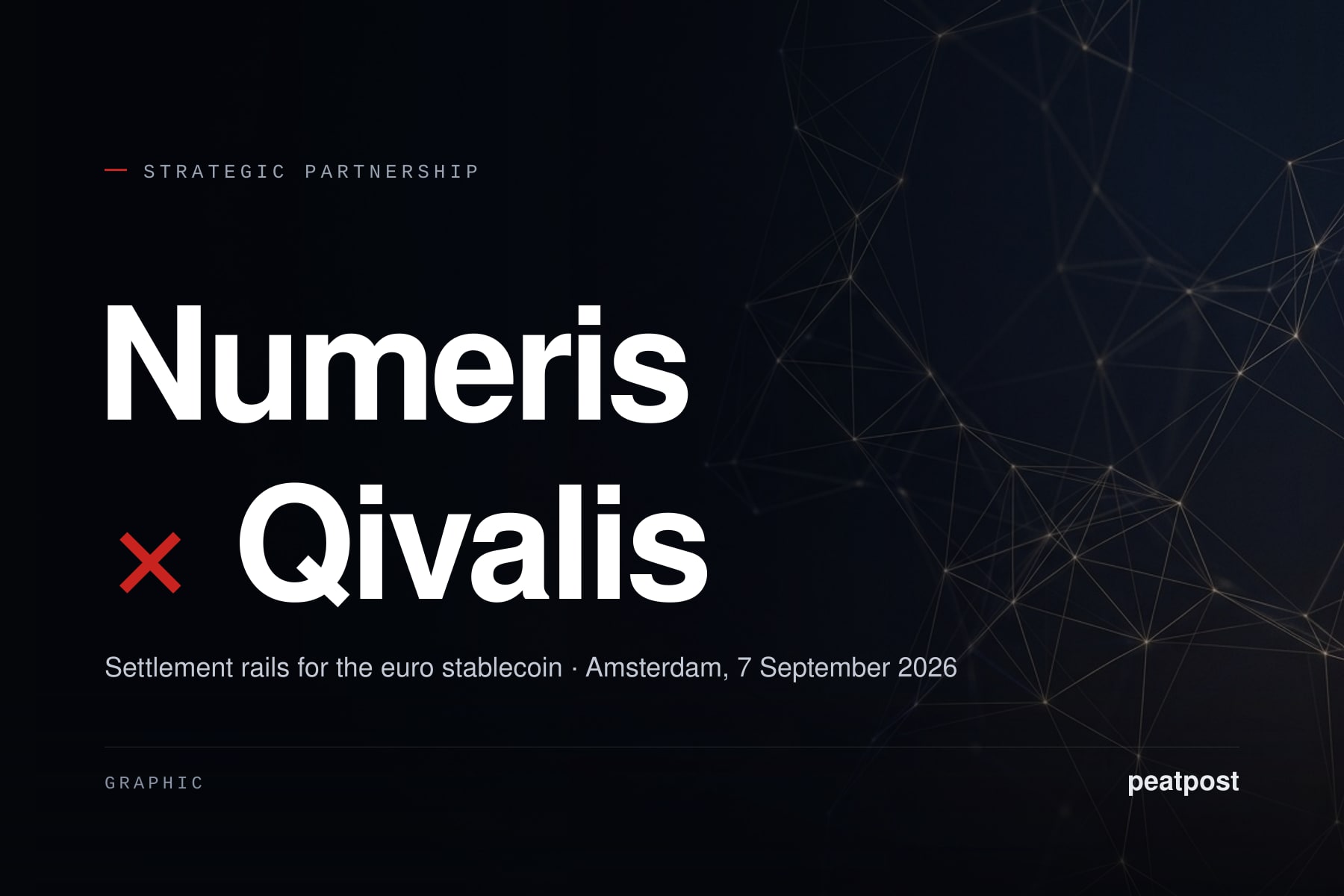
Qivalis Partners With Numeris to Build Settlement Rails for Its Euro Stablecoin
The Amsterdam-based banking consortium behind Europe's largest bank-backed euro stablecoin project has signed a multi-year collaboration with payments-infrastructure firm Numeris, covering settlement, reconciliation and merchant acceptance ahead of a launch planned for the second half of 2026.
Discussion
0 commentsNo comments yet — be the first to weigh in.