Star Trek at 60: The Secret Was Humanity, Not Aliens
From the first broadcast episode, the monsters were a device. The subject was always what it means to be human.
When Star Trek first appeared 60 years ago, audiences expected science fiction to deliver aliens, monsters and futuristic technology. What arrived was considerably more ambitious.
From its first broadcast episode on 8 September 1966, the series established that its real subject was the exploration of humanity. For all its reputation as space adventure, the franchise has endured because it kept returning to one question: what does it mean to be human?
The first episode said so explicitly
That opening episode, The Man Trap, features an alien that survives by appearing to each observer as the person they most wish to see.
That is not a monster premise. It is a device for examining longing, grief and self-deception, wearing a monster costume for the benefit of a network that had commissioned an action series. The creature's threat comes entirely from what the human characters want, which is a remarkably sophisticated proposition for week one of a 1960s adventure show.
The trick the format allowed
Science fiction's practical advantage in 1966 was deniability.
A story about racial hatred set in the present day would not have survived a network standards department. The same story, set on a planet where one species has skin divided black and white down the middle and despises another divided the other way, aired without difficulty — and made the point more sharply than realism could have, because the arbitrary basis of the hatred was visible in the design.
The device let the show address war, colonialism, ideology and prejudice while appearing to be about spaceships.
Why the aliens are always people
The franchise's alien species are not attempts at genuine strangeness. Each is an isolated human trait, extended and given a civilisation.
Vulcans are reason without emotion. Klingons are honour without restraint. Ferengi are acquisition. Borg are collectivism taken to the elimination of the self. None of them is alien in any meaningful sense; they are arguments about what happens when one part of a person is allowed to run the whole.
That is why the most durable character in the franchise is Spock, a person constituted by the conflict between two of them.
What has kept it going
Sixty years is an extraordinary run for any format, and the usual explanations — nostalgia, merchandising, fan devotion — describe consequences rather than causes.
The underlying reason is that the show committed to a proposition rather than a premise. Its optimism about human capability, the assumption that the species survives its adolescence and behaves decently afterwards, is unusual in science fiction and has become more so.
A great deal of contemporary genre television is about how badly things end. Star Trek's persistence suggests a substantial audience for the opposite claim, made seriously — and that a show can spend six decades arguing about human nature provided it puts a monster on the screen occasionally.
The franchise's own blind spots
A sixty-year run also means sixty years of a show's limitations being preserved on tape.
The original series is frequently celebrated for a diverse bridge crew and was, simultaneously, a product of 1960s television in its treatment of women. Later iterations have been criticised for allegorising oppression while employing few people from the groups being allegorised.
None of that undermines the achievement. It does complicate the story the franchise tells about itself, in which each era is enlightened and the failures belong safely to the past — a narrative structure that has so far been applied to every previous era and never to the current one.
More from peatpost

Texas Court Dismisses Coinbase Shareholder Suit Over Delaware-Era Conduct
The Texas Business Court applied the state's written-demand rule after Coinbase reincorporated, even while assuming Delaware law governed the underlying claims.
Bullish and Equiniti Form Coalition for Issuer-Sponsored Tokenised Stocks
Alpaca, Apex Fintech Solutions and DriveWealth are early members of a group that wants tokenised shares to preserve the direct link between companies and their shareholders.
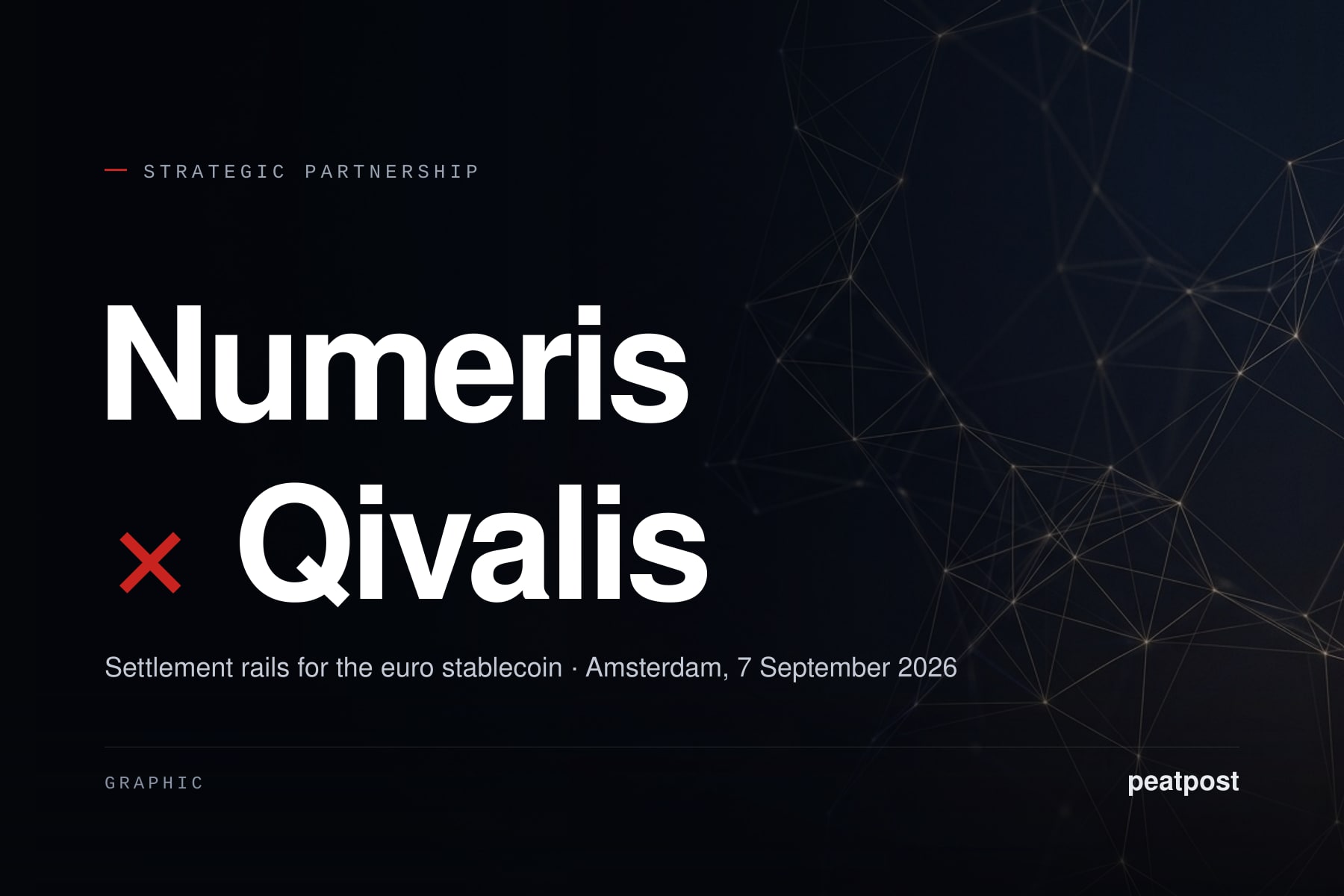
Qivalis Partners With Numeris to Build Settlement Rails for Its Euro Stablecoin
The Amsterdam-based banking consortium behind Europe's largest bank-backed euro stablecoin project has signed a multi-year collaboration with payments-infrastructure firm Numeris, covering settlement, reconciliation and merchant acceptance ahead of a launch planned for the second half of 2026.
Discussion
0 commentsNo comments yet — be the first to weigh in.