A Small Bitcoin Transfer Exposed the Fine Print in the 'Never Sell' Reserve
Trump said Bitcoin was now a permanent Treasury asset. The order's sale ban is narrower than that.
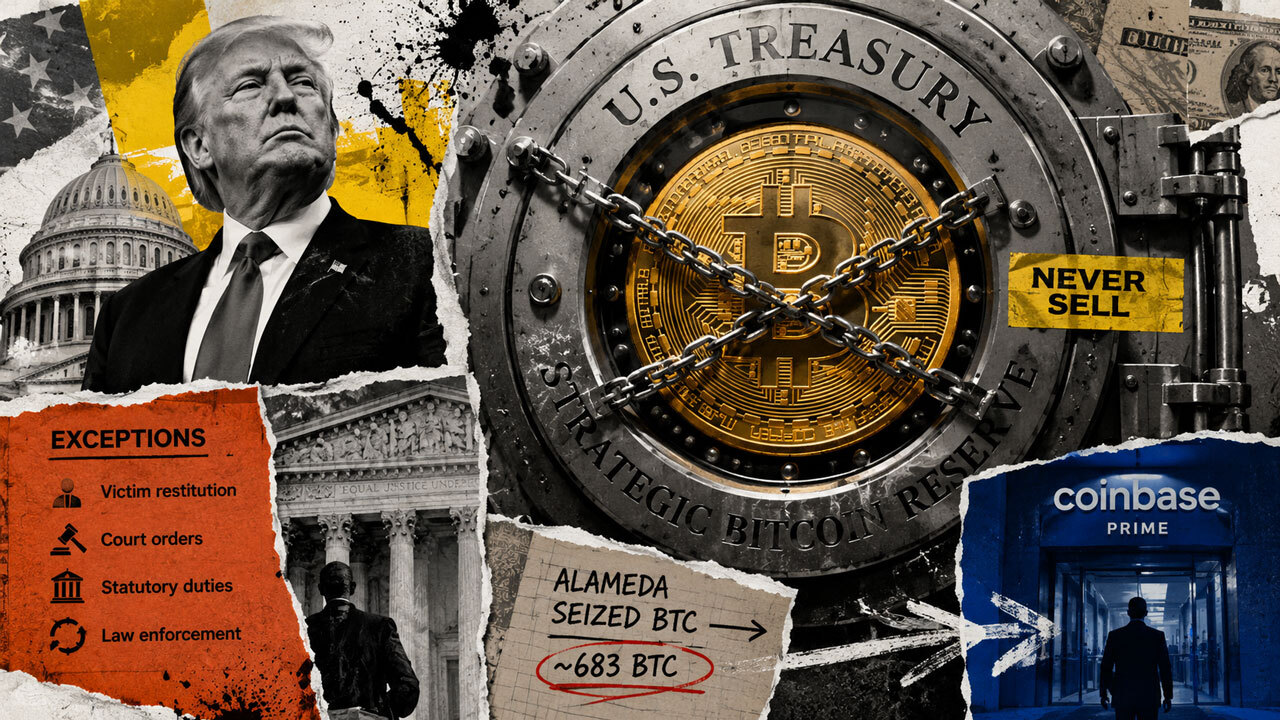
A wallet tagged to the US government moved a small amount of Bitcoin linked to assets seized from Alameda Research's Binance.US accounts, reviving a familiar fear that Washington could be preparing to liquidate more of its forfeited holdings.
What the order actually says
Bitcoin deposited into the Strategic Bitcoin Reserve "shall not be sold" under the executive order signed in March 2025, turning qualifying forfeited BTC into a long-term Treasury asset. Trump said on 19 August that he had made Bitcoin "a permanent asset of the United States Treasury."
The operative text is narrower than the summary. The sale ban applies only to Bitcoin that has been forfeited, is held by the Treasury, and is not needed for statutory obligations.
Each of those three conditions is doing work.

The gaps
"Forfeited" excludes coins that have been seized but not yet through the legal process that transfers title to the government. Seizure is the taking; forfeiture is the court's determination that the government owns it. Large quantities of Bitcoin sit in the first category for years.
"Held by the Treasury" excludes coins held by other agencies. The order separately permits agency heads to take their own decisions about assets under their control, which is a substantial carve-out given how many agencies conduct seizures.
"Not needed for statutory obligations" is the broadest exception. Forfeited assets are frequently subject to prior claims — victim compensation in particular. Where a fraud produced identifiable victims, statute directs that proceeds go to making them whole, and that obligation is discharged in dollars.
Why Alameda-linked coins are the clearest case
That last point explains this specific movement better than any theory about policy.
Assets seized from Alameda relate to the FTX collapse, which produced a very large population of creditors with recognised claims. Bitcoin required to satisfy those claims was never eligible for the reserve, because the statutory obligation attaches before the discretionary decision to retain.
A movement of such coins is therefore consistent with routine administration of a forfeiture case rather than a change in reserve policy.
The gap between the policy and the message
What the episode illustrates is the distance between "a permanent asset of the United States Treasury" and the document that implements it.
The political statement describes an unconditional commitment. The order describes a default that applies to a defined subset of holdings, with named exceptions and discretion delegated to agency heads. Markets have been reacting to the first version and are periodically reminded of the second.
What would settle it
The reserve's credibility depends on transparency it does not currently have: a published inventory of which coins are in it, which are pending forfeiture, and which are earmarked for victim compensation.
Without that, every government wallet movement is ambiguous, and on-chain analysts will keep interpreting administrative transfers as policy signals — because from the outside, there is no way to tell the difference.
More from peatpost

Bitcoin's Rebound Nears $85,000 Cost-Basis Cluster as Ether Whales Trim Bullish Bets
Bitcoin briefly topped $84,000 and Ether regained $2,500, but investor cost-basis data and $26.5bn of Ether futures positioning point to hurdles ahead.
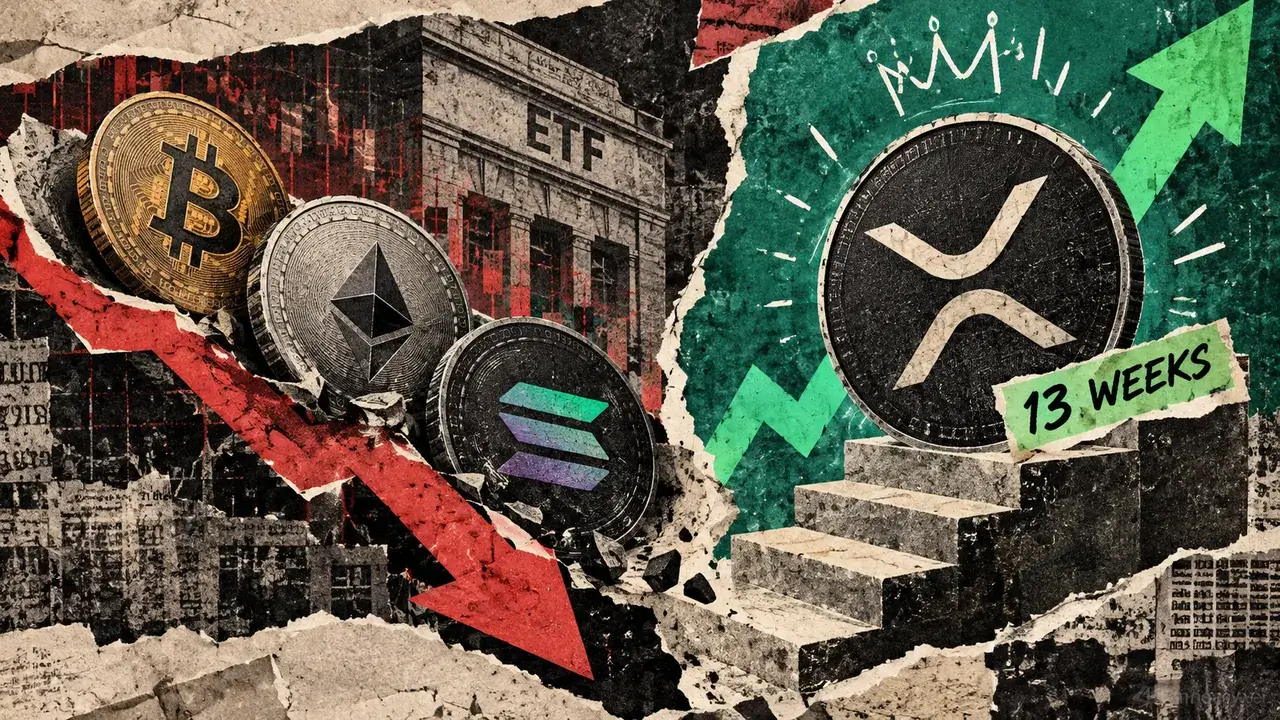
Bitcoin, Ether and Solana ETFs Shed $1.25bn as XRP Funds Log 13th Week of Inflows
Bitcoin funds posted their first losing week since mid-September and Ether products their heaviest redemptions since January, according to SoSoValue data.

79thVault Token Pool Drained of $14.35m Despite 79% of Liquidity Being Burned
A privileged permission in the 79AU token let coins leave its PancakeSwap pool without payment, Bitquery found, bypassing the burned liquidity entirely.
Discussion
0 commentsNo comments yet — be the first to weigh in.