Disney+ and Netflix Are Buying Into Football Without Buying the Football
UK broadcasters pay £1.67bn a year for live Premier League rights. The streamers are buying the talk shows instead.
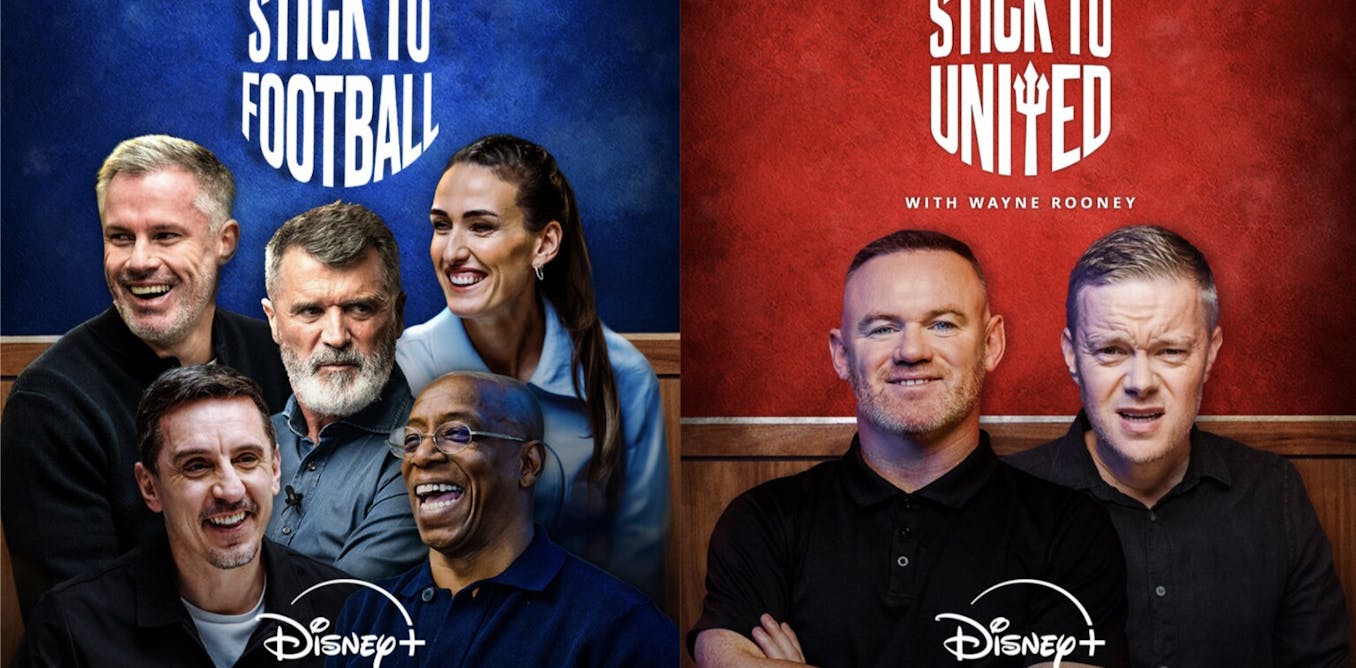
Sport is the new battleground in the streaming wars. But it is not the action on the field they are tempting us with.
Disney+ has signed a deal with Gary Neville's football media brand The Overlap, hosting his Stick to Football talk show and a new Manchester United programme co-hosted by Wayne Rooney and the YouTuber Mark Goldbridge. This follows Netflix's arrival with Gary Lineker's The Rest is Football podcast, which covered World Cup action daily and returns twice weekly during the season.
Anyone watching these shows will not see a single Premier League goal.
The price of the real thing
Domestic rights to broadcast live matches and highlights remain with Sky, TNT and the BBC, who pay a combined £1.67bn per year.
UK broadcasters now spend roughly double that across all sports, with the genre accounting for 70% of all television spending. Once Sky's cricket and Formula 1 deals are added to its football outlay, it carries by far the largest bill. Even the free-to-air channels — BBC, ITV, Channel 4 and Channel 5 — now spend more on sport than on any other genre of new original programming, £700m between them.
Sport's liveness makes it the last major form of communal viewing in a fragmented media world, and more valuable every year. Which is precisely why it is priced out of reach.
Why buy the conversation instead
Competition for attention is intense. In the UK last year the average person spent four and a half hours a day watching video at home, and 84% of in-home viewing went through the television set — whether via broadcasters, streamers or YouTube, whose biggest content increasingly resembles conventional TV.
Sports events have shifted from being exclusive to television to existing in a landscape where television coexists with digital platforms. Streamers have responded by working more sport into their programming without paying live-rights prices.
Disney has long owned ESPN, but its UK streaming appeal has rested mainly on Marvel, Pixar and Star Wars. It does show the women's Champions League. Netflix claimed a record 108 million viewers for the rather grim spectacle of the influencer Jake Paul defeating the 58-year-old former heavyweight champion Mike Tyson in 2024.
The scheduling problem
There is a structural reason the streamers keep landing next to live sport rather than on it.
In an era of self-scheduled viewing, audiences are not in the habit of turning to streaming services for appointment television. The platforms have had far more consistent success with programming people watch whenever they like — which is exactly what a twice-weekly football podcast is, and exactly what a Saturday afternoon kick-off is not.
Talk shows also carry a fraction of the cost and none of the rights-cycle risk. A live rights deal is a three-year commitment priced at auction against deep-pocketed incumbents. A show built around a recognisable former player is cheap, renewable and portable.
What they are actually acquiring
The bet is that fandom is no longer consumed principally through matches. Supporters spend more hours arguing about football than watching it, and that surrounding conversation has migrated to podcasts and YouTube, where the streamers can compete on equal terms.
If that is right, Disney and Netflix are buying the part of the football economy that is growing while leaving the incumbents holding the part that is expensive. If it is wrong, they have bought some chat shows.
More from peatpost

Real Estate Market Forecast 2026: U.S., Spain, Italy and Switzerland Face a Changing Landscape as Crypto Enters the Property Market
Global housing markets diverge in 2026 as mortgage rates ease, supply shortages persist, and blockchain-based transactions move from pilot projects toward mainstream adoption.
Clarity Act Odds More Than Doubled to 31% as Trump Reportedly Backed Ethics Limits
The crypto market structure bill needed 60 Senate votes to reach floor debate; supporters likely required nine Democrats, and none had publicly committed.

India to push BRICS digital currency link despite hurdles, sources say
India is chairing BRICS this year, with leaders of the bloc set to meet in New Delhi on September 12 to 13.
Discussion
0 commentsNo comments yet — be the first to weigh in.