I'm Called the Black Farmer Because There Are So Few of Us
In Defra's most recent survey of England's principal farmers, 99.7% described themselves as white. That is a recruitment problem, not a coincidence.
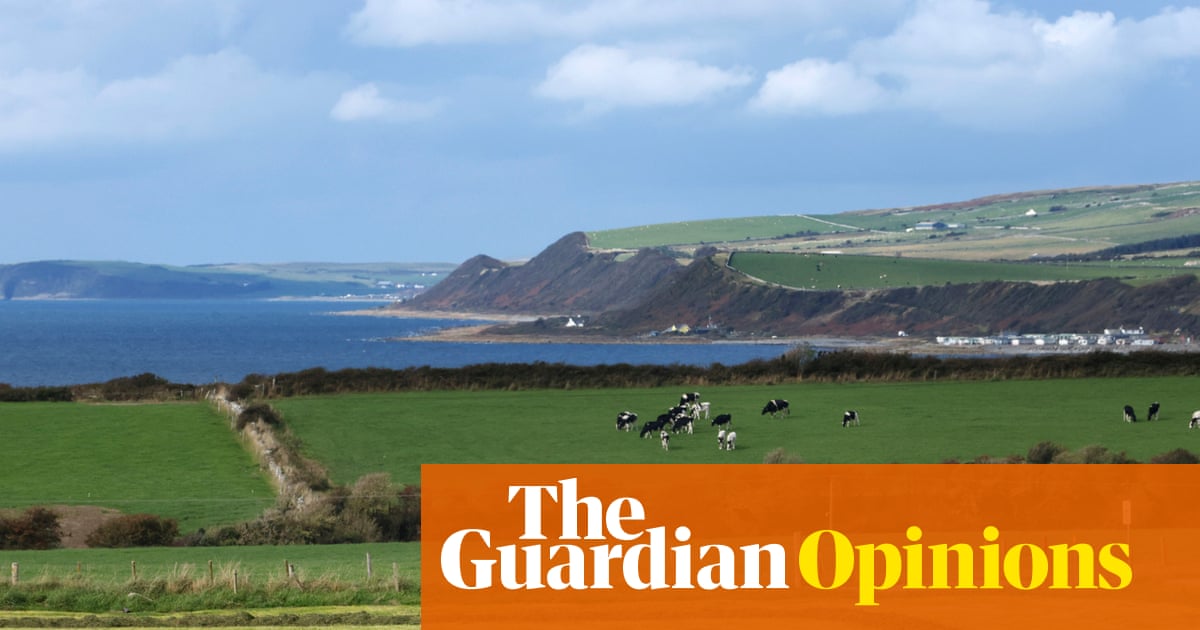
Who would be a farmer? Clarkson's Farm is entertaining television, and it also conveys something real about the stress and difficulty behind the farm gate. Would anyone lacking the substantial alternative income Clarkson enjoys actually want that?
As it turns out, yes — a great many people would.
The statistic that names the problem
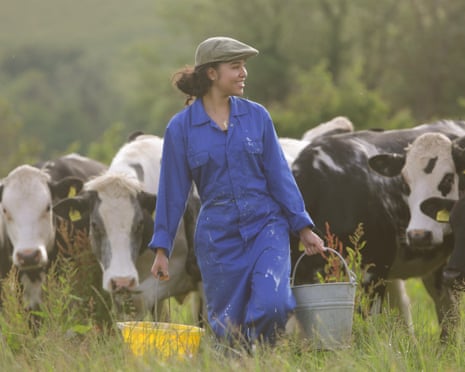
Wilfred Emmanuel-Jones is an entrepreneur who owns a farm, rather than someone hands-on running the small holding he bought 25 years ago. Looking across the industry, he is struck by a single fact: the reason he can be known as the Black Farmer is that he is rare enough to be identifiable by it.
In Defra's most recent survey of England's principal farmers and holders, 99.7% self-described as white.
That number is worth sitting with. Britain's population is roughly 82% white. A sector at 99.7% is not slightly unrepresentative; it is very close to entirely closed, and no plausible account of individual preference explains a gap that size.
Why it is structural rather than cultural
The explanation usually offered is that minority communities are urban and simply not interested. It does not survive examination.
Farming in Britain is overwhelmingly inherited. Land is expensive beyond the reach of almost anyone starting out, tenancies pass through established networks, and the knowledge required is transmitted within families. The route in is being born into it.
That is a system which reproduces whoever was farming a generation ago, regardless of who wants to farm now. It is not designed to exclude, and it excludes comprehensively.
What the sector loses
This matters beyond fairness, and the industry's own numbers make the case.
The average age of a British farmer is close to 60. Succession is the sector's most acute long-term problem, with holdings sold or consolidated because nobody in the family wants them. An industry facing a generational shortage of entrants is simultaneously operating a recruitment pipeline that reaches roughly a fifth of the population.
There are people who would love the chance. Some grew up in food and hospitality, some in horticulture, some simply want work that is physical and outdoors and produces something. The obstacle they meet is not welcome or hostility — it is capital, tenancy access and the absence of any visible route.
What would change it
Nothing exotic. County farms — publicly owned starter holdings — were the traditional entry point and have been sold off for decades; rebuilding them would open a door for anyone without inherited land, whatever their background.
Apprenticeships that lead to tenancy rather than to permanent employment as farm labour. Share farming arrangements that let a newcomer build equity. Deliberate outreach to communities that have never been told this was available to them.
British farming needs entrants more than it needs almost anything else. It is currently declining to look for them in most of the country.
Why representation on television is not the answer
There is a version of this argument that ends with a call for more diverse farming programmes, and it is worth resisting.
Visibility changes what people believe is possible for them, which matters. It does nothing about the price of land, the structure of tenancies or the absence of entry routes, and a sector can become considerably more visible while remaining exactly as closed as it was.
The test is not who appears on Clarkson's Farm. It is whether the number moves off 99.7%, and that will be decided by county farm policy, tenancy reform and access to capital — none of which is televisual, and all of which is within the gift of a government that says it wants more people producing food in Britain.
More from peatpost
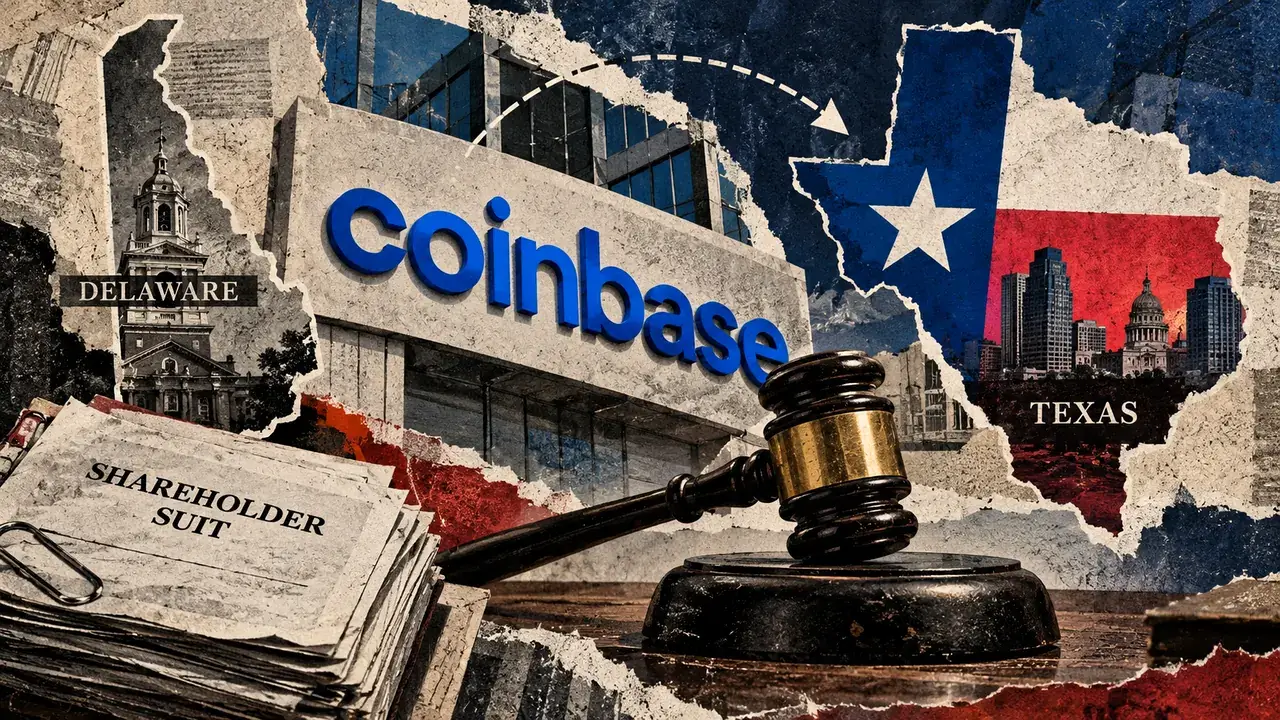
Texas Court Dismisses Coinbase Shareholder Suit Over Delaware-Era Conduct
The Texas Business Court applied the state's written-demand rule after Coinbase reincorporated, even while assuming Delaware law governed the underlying claims.

Bullish and Equiniti Form Coalition for Issuer-Sponsored Tokenised Stocks
Alpaca, Apex Fintech Solutions and DriveWealth are early members of a group that wants tokenised shares to preserve the direct link between companies and their shareholders.

Qivalis Partners With Numeris to Build Settlement Rails for Its Euro Stablecoin
The Amsterdam-based banking consortium behind Europe's largest bank-backed euro stablecoin project has signed a multi-year collaboration with payments-infrastructure firm Numeris, covering settlement, reconciliation and merchant acceptance ahead of a launch planned for the second half of 2026.
Discussion
0 commentsNo comments yet — be the first to weigh in.