Treasury Doubles Long-Dated Bond Buybacks — and Lights a Fire Under Every Hard Asset
The expansion of liquidity-support operations to at least $4 billion per operation pushed yields and the dollar lower. Gold, silver, and Bitcoin all noticed.
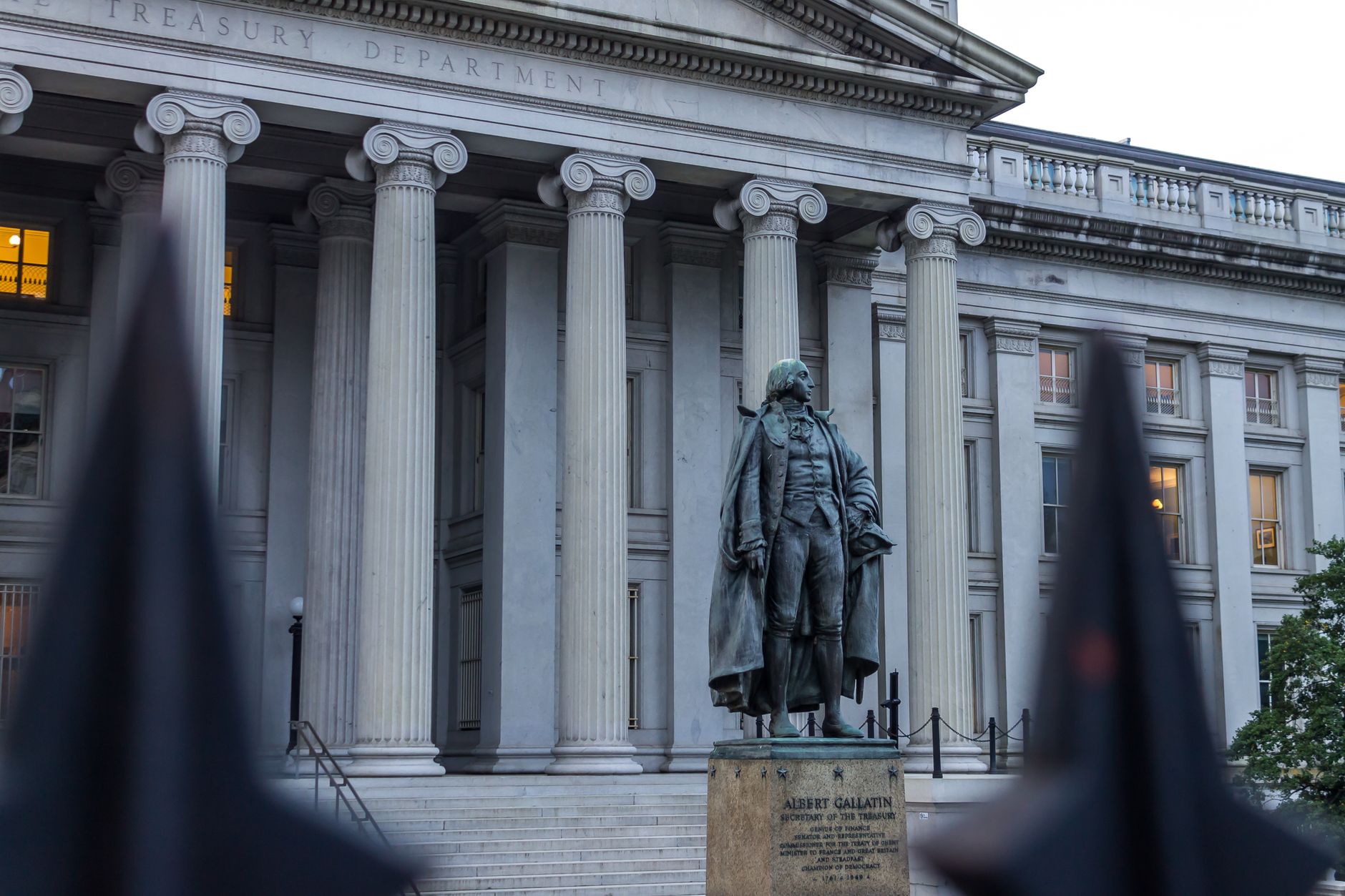
The US Treasury's announcement this week that it will at least double the size of its long-dated bond buyback operations — to a reported $4 billion or more per operation — has done what months of crypto-native catalysts could not: reprice the entire hard-asset complex at once.
The mechanics are dry; the effects are not. By stepping up purchases of off-the-run long bonds, the Treasury supports liquidity at the long end of the curve, which pulls yields lower. Lower long yields soften the dollar. And a softer dollar is the single most reliable tailwind that gold, silver, and Bitcoin share.
The market's translation
Markets read the move as fiscal authorities leaning against long-end stress — and traded it immediately. Long Treasury yields fell across the curve in the days following the announcement, the dollar index slid, and gold jumped roughly 3% in the immediate aftermath, according to the World Gold Council. Bitcoin, which had spent June and July grinding below $65,000, began the sharpest weekly advance of its year.
Whether the operation is prudent debt management or something closer to stealth easing is now a live argument. The distinction matters less to markets than the flow itself: a large, price-insensitive buyer has entered the long end, and every asset priced off real yields has to adjust.
The trade it reawakened
The debasement trade — long scarce assets, short the currency they are denominated in — had been dormant since attention rotated into AI equities last winter. It did not need a new argument to revive; it needed a trigger. A Treasury visibly supporting bond prices while inflation still runs above target is precisely the kind of trigger its adherents had been waiting for.
The next test arrives quickly: the Fed's new leadership speaks at Jackson Hole at month's end, and a hawkish rebuttal could put the dollar bid back. Until then, the path of least resistance for the un-printable assets is higher.
More from peatpost

Real Estate Market Forecast 2026: U.S., Spain, Italy and Switzerland Face a Changing Landscape as Crypto Enters the Property Market
Global housing markets diverge in 2026 as mortgage rates ease, supply shortages persist, and blockchain-based transactions move from pilot projects toward mainstream adoption.
Clarity Act Odds More Than Doubled to 31% as Trump Reportedly Backed Ethics Limits
The crypto market structure bill needed 60 Senate votes to reach floor debate; supporters likely required nine Democrats, and none had publicly committed.

India to push BRICS digital currency link despite hurdles, sources say
India is chairing BRICS this year, with leaders of the bloc set to meet in New Delhi on September 12 to 13.
Discussion
0 commentsNo comments yet — be the first to weigh in.