With No Friends Left to Burn, Trump Is Running Out of Ammunition
The Iran war has been a strategic disaster. The president is left performing victory to an audience that can see the result.
This is the twilight of Donald Trump's supremacy. The United States remains the richest and most heavily armed nation on earth, and that status is secure. The president, contemptuous of law and indulged in lawlessness by a supine Congress, enjoys more power than the constitution allows.
With those advantages, it takes a particular talent to look as thwarted as he does with more than two years of the term still to run.
The turning point
History will record the war against Iran as the moment the administration's fortunes changed, and as a serious wound to American prestige.
The pattern is familiar from every conflict entered on the assumption of a rapid resolution. Hubris after an audacious opening; the discovery that the adversary has not behaved as modelled; escalation to recover the initiative; and eventually a position from which neither victory nor withdrawal is available at acceptable cost.
The ammunition that has been spent
Diplomatic power is not principally military. It is the accumulated willingness of other governments to do things they would rather not, because the relationship is worth more than the disagreement.
That resource is finite and it is being consumed at an extraordinary rate. Canada, treated to tariffs and taunts about becoming a 51st state, has stopped negotiating. European allies have been publicly disparaged while being asked to underwrite policies they did not choose. Gulf partners are hedging. The instrument that made American power efficient — the assumption of alignment — has been spent to buy short-term compliance on individual issues.
Why sanctions are now the main tool
The turn to economic pressure follows from that depletion rather than from any strategic judgement about its effectiveness.
"Economic D-Day" against Iran is being described as the greatest financial offensive ever mounted, and the language is doing work the substance cannot. Sanctions of this kind function through the cooperation of third countries — the banks, insurers, ports and refiners that would have to stop trading. Securing that cooperation requires exactly the diplomatic capital that has been expended elsewhere.
China has declined. Turkey cannot comply without damaging itself. The instrument is being deployed precisely when the conditions for its success have been eroded.
The performance problem
What remains is the assertion of victory, delivered with increasing volume to an audience that can observe the outcome.
This is the specific difficulty of a politics built on projecting strength: it cannot process a reverse. A president who could acknowledge that the war has not gone as intended would have options — negotiation, a redefinition of objectives, an exit that could be presented as a choice. A president who cannot has only escalation and insistence.
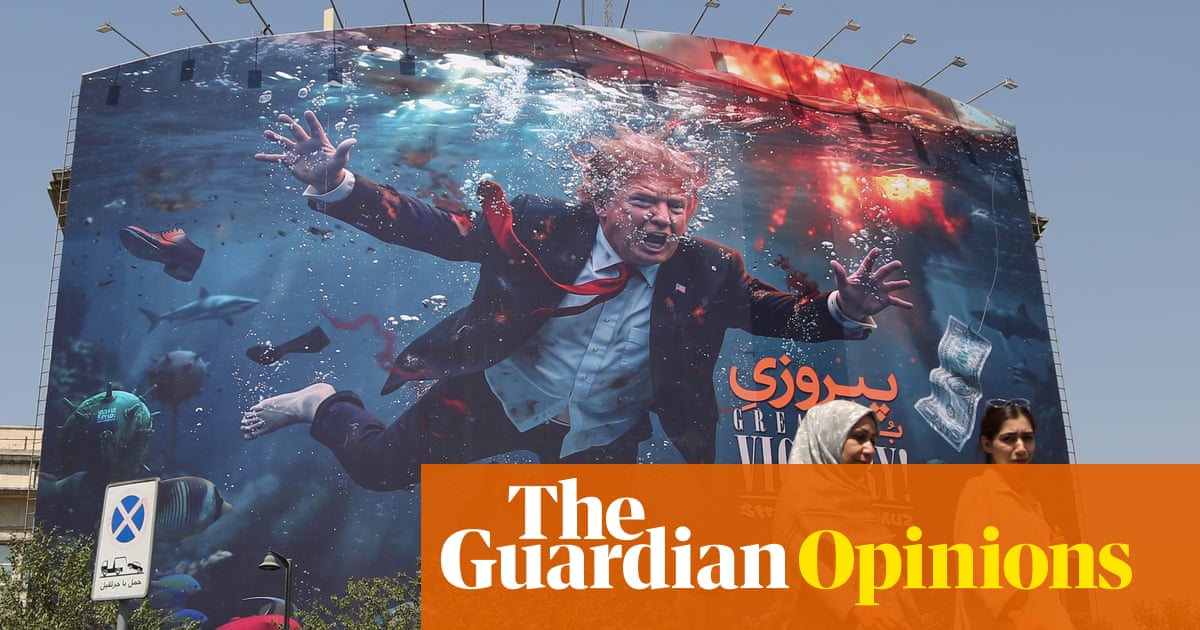
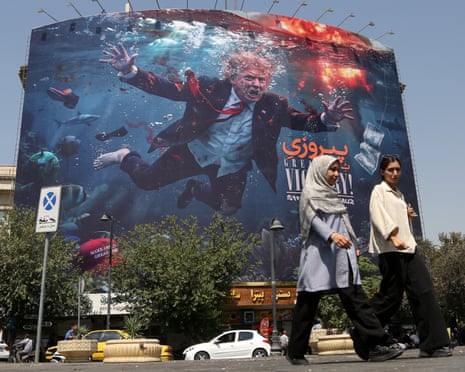
Everyone can see the result. Tehran is putting up banners reading "Great Victory," which is its own kind of performance, and it does not need to be true to be useful. It only needs to be more plausible than the alternative on offer.
What comes after the ammunition runs out
The uncomfortable part of this analysis is what it implies about the remaining two years.
A president with depleted diplomatic options, a legislature unwilling to constrain him, and a strong incentive to demonstrate strength has a narrowing set of instruments. Tariffs have been used. Sanctions are being used. What is left is military, and the Iran war has already demonstrated how that performs against an adversary that declines to collapse on schedule.
The institutional check that would normally operate here is Congress, and it has chosen not to. That is the more durable damage: not any single foreign policy reverse, but a legislature that has stopped exercising the powers it still formally holds.
More from peatpost
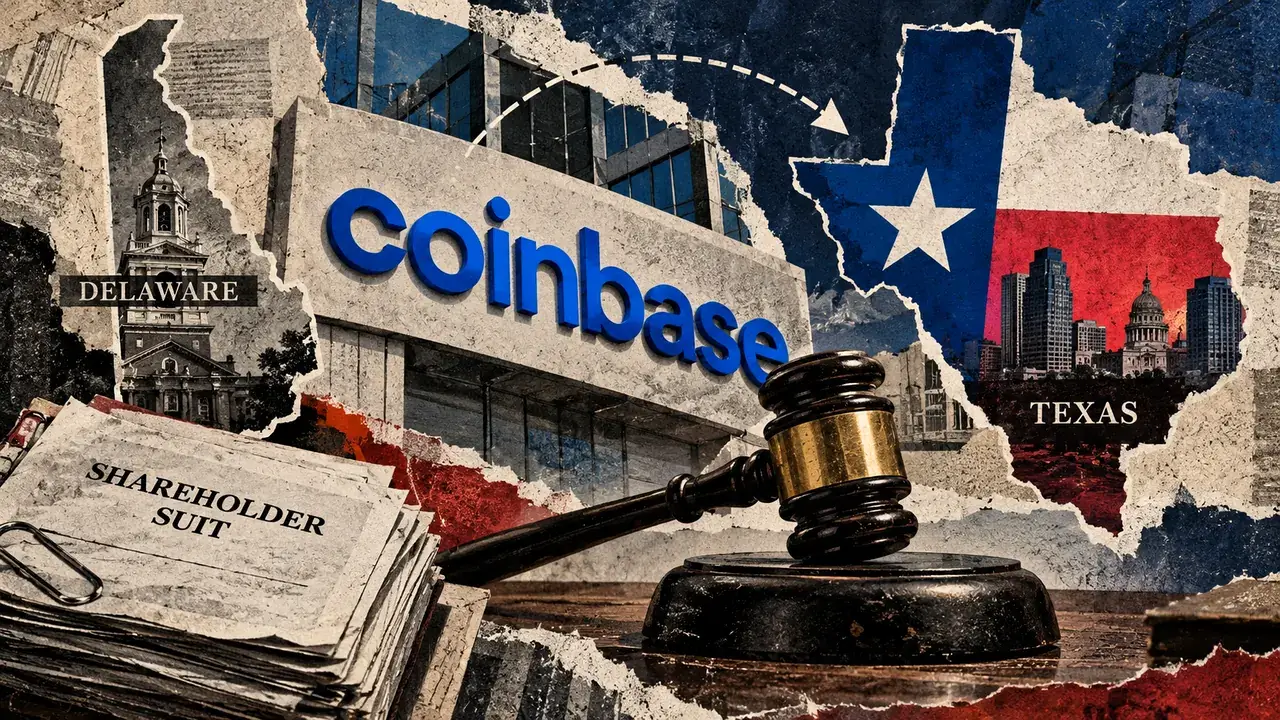
Texas Court Dismisses Coinbase Shareholder Suit Over Delaware-Era Conduct
The Texas Business Court applied the state's written-demand rule after Coinbase reincorporated, even while assuming Delaware law governed the underlying claims.
Bullish and Equiniti Form Coalition for Issuer-Sponsored Tokenised Stocks
Alpaca, Apex Fintech Solutions and DriveWealth are early members of a group that wants tokenised shares to preserve the direct link between companies and their shareholders.
Qivalis Partners With Numeris to Build Settlement Rails for Its Euro Stablecoin
The Amsterdam-based banking consortium behind Europe's largest bank-backed euro stablecoin project has signed a multi-year collaboration with payments-infrastructure firm Numeris, covering settlement, reconciliation and merchant acceptance ahead of a launch planned for the second half of 2026.
Discussion
0 commentsNo comments yet — be the first to weigh in.