US Treasury Sanctions Eight Canadian Money-Service Firms Over Iran Crypto Links
Washington says the firms swapped rials for digital assets on behalf of sanctioned Iranian exchanges and IRGC-linked wallets, in action coordinated with Canada's FINTRAC.
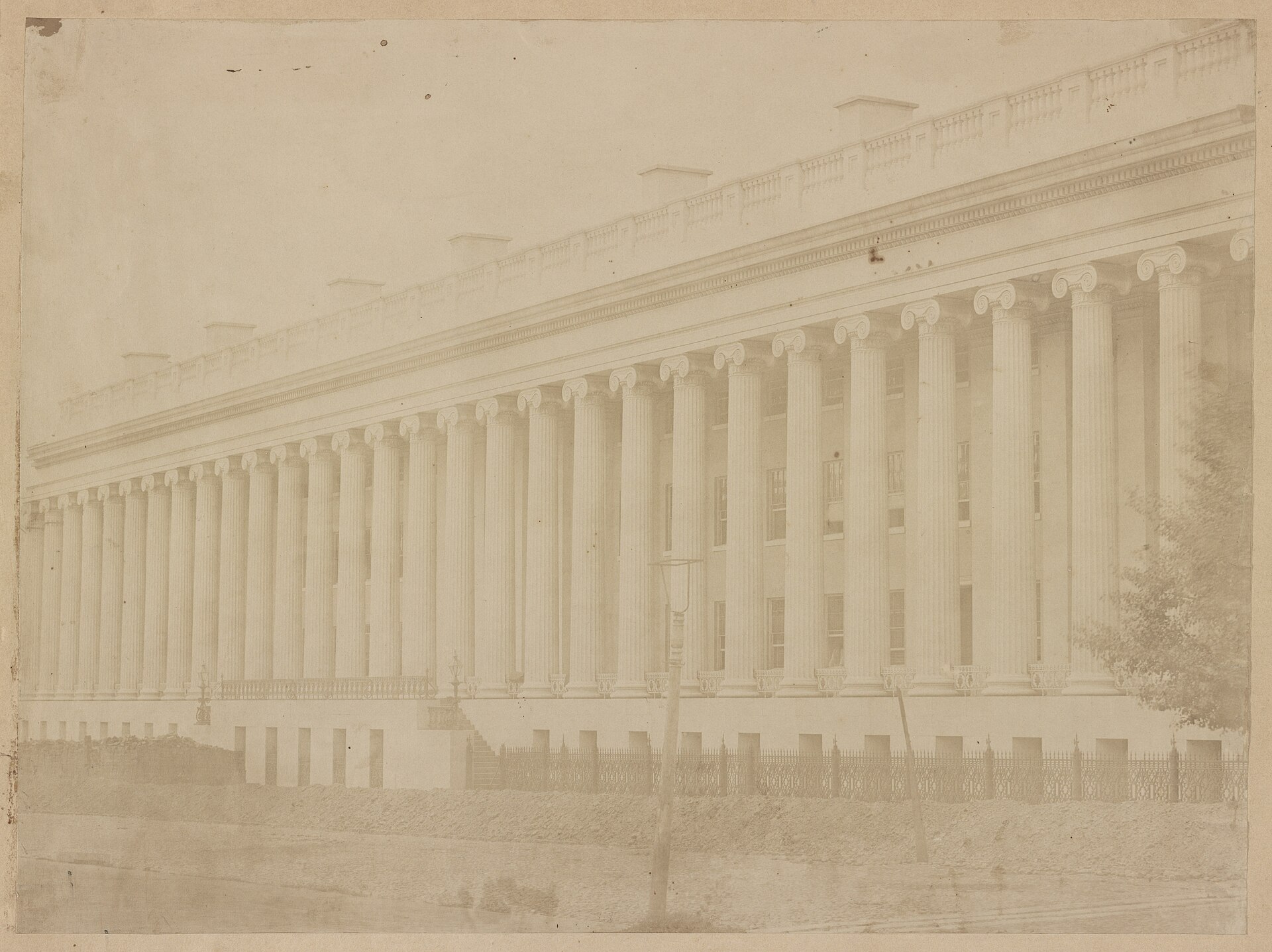
The US Treasury has imposed sanctions on eight Canadian money-service businesses that it says handled transactions for sanctioned Iranian entities, including digital asset addresses linked to Iran's Islamic Revolutionary Guard Corps (IRGC).
The designations, announced in a Treasury statement on Friday, cut the companies off from the dollar-based financial system. On the same day, the US separately offered rewards of up to $20m for information on Iran's nuclear programme.
What Treasury alleges
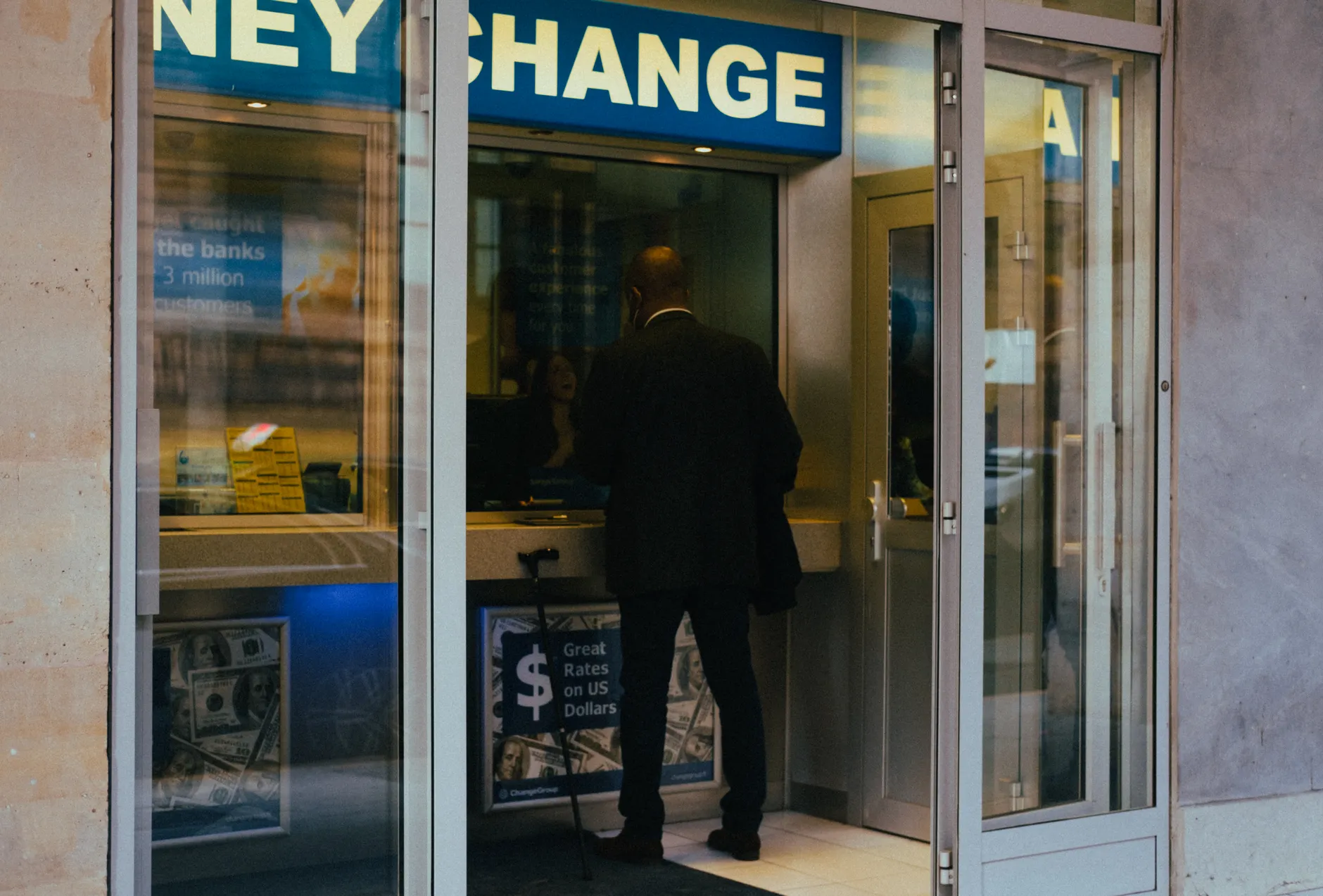
According to the Treasury, the eight firms converted Iranian rials and other currencies into digital assets, allowing value to move across borders. The department said the businesses dealt with Iranian digital asset exchanges that are already under sanctions, as well as with crypto addresses it associates with the IRGC.
The statement framed the move as part of a broader effort to stop Tehran from using digital assets to finance terrorism, human rights abuses and attacks on US personnel and allies. It also noted that some of the targeted entities had changed their names and addresses in an attempt to avoid detection.
Treasury said the action was coordinated with FINTRAC, Canada's financial intelligence unit. That detail matters: the firms are based in Canada, and cross-border co-operation is typically what turns a US designation into something with practical reach beyond American institutions.
The Treasury did not, in the material reported by Cointelegraph, set out the volume of transactions involved or the value of assets attributed to the firms.
Bessent's message to Ottawa and beyond
Treasury Secretary Scott Bessent used the announcement to send a pointed signal about Canada's role. He said the country could not serve as a refuge for those helping the Iranian government and its proxies evade sanctions, and added that Treasury would pursue Iran's financial channels "anywhere in the world".
The language reflects a familiar pattern in US sanctions policy. Washington has limited direct authority over foreign companies, but designation by the Office of Foreign Assets Control (OFAC) effectively bars US persons from dealing with the targets and makes banks and payment providers worldwide wary of handling their business. For a money-service company, losing access to dollar correspondent relationships can be close to terminal.
By naming Canada explicitly, Bessent also placed a degree of public pressure on an ally, even as Treasury emphasised that FINTRAC had worked alongside it on the case.
Part of a wider campaign on Iranian crypto flows
Friday's sanctions are the latest in a series of Treasury actions aimed at businesses operating outside the US. Cointelegraph reported in August that OFAC was targeting crypto exchanges involved in moving funds to the IRGC. At that time Bessent said the administration intended to raise economic pressure on Iran, focusing on networks that fund the government whether in dollars, rials or crypto.
Cointelegraph has also reported, citing Bessent, that the US plans to seize around $1bn in crypto linked to Iran.
The focus on digital assets reflects a long-running concern among sanctions authorities. Iran has been largely shut out of the international banking system for years, and cryptocurrencies offer a route to move value without relying on traditional correspondent banks. Exchanges and over-the-counter brokers that accept local currency and hand back tokens can act as on-ramps, letting funds leave the country and be converted elsewhere.
Blockchain transactions are, however, recorded on public ledgers. Once investigators link particular wallet addresses to a sanctioned organisation, flows into and out of those addresses can be traced, and the intermediaries that touched them identified. Treasury's reference to addresses associated with the IRGC suggests this kind of on-chain analysis played a part in building the case.
A parallel push on the nuclear file
In a separate announcement on Friday, the State Department's Rewards for Justice programme offered up to $20m, along with possible relocation, for information on Iran's nuclear programme. The offer covers details about facilities, equipment and personnel.
The accompanying statement said Iran's failure to comply with the International Atomic Energy Agency (IAEA) on safeguards had led the agency to lose what it calls "continuity of knowledge" over Iran's production of enriched uranium and components such as centrifuges. In practical terms, that means inspectors can no longer be confident they have an unbroken picture of what material and equipment exist and where.
The pairing of the two actions on a single day underlines how Washington is approaching Iran on several fronts at once: financial isolation on one hand, and intelligence-gathering on the nuclear programme on the other. The reward offer, with its promise of relocation, is aimed squarely at people with inside knowledge who might otherwise face serious risk by coming forward.
Limits and open questions
Sanctions of this kind have clear limits. Treasury itself acknowledged that some of the targeted firms had already rebranded and moved addresses to evade scrutiny, a reminder that small money-service businesses can be relatively easy to dissolve and reconstitute. Designating one set of entities does not necessarily close the underlying channel if operators can reappear under new names.
The effectiveness of the measures will also depend heavily on Canadian follow-through. A US designation restricts American persons and influences global banks, but domestic licensing, supervision and enforcement against Canadian businesses fall to Canadian authorities. FINTRAC's involvement suggests co-ordination, though the source material does not describe what, if any, steps Ottawa itself is taking against the firms.
There is also the broader question of whether pressure on intermediaries in allied countries simply pushes activity towards jurisdictions with weaker oversight or less willingness to co-operate with Washington. Crypto's borderless nature makes that displacement easier than in traditional banking.
For the wider digital asset industry, the case is another signal that regulators view exchange and conversion services as a key chokepoint. Firms that allow customers to swap local currency for tokens are likely to face continued expectations around customer checks and screening of wallet addresses against sanctions lists.
What to watch next
Several threads are worth following in the coming weeks:
- Whether Canadian authorities announce their own enforcement or licensing actions against the eight firms
- Further OFAC designations targeting crypto exchanges or brokers linked to Iran, in Canada or elsewhere
- Progress on the reported US plan to seize roughly $1bn in Iran-linked crypto
- Any response from Tehran to the sanctions or the nuclear reward offer, and developments in Iran's dealings with the IAEA
Taken together, Friday's announcements suggest the administration intends to keep widening the net around Iran's financial and nuclear activities. How much those efforts constrain the flows they target will depend on how quickly sanctioned networks adapt, and how closely allies such as Canada align their own enforcement with Washington's.
More from peatpost

OpenAI Pledges to Pay Full Power Costs of AI Campuses After Voter Backlash
The company's new community compact promises energy and water disclosure and fewer secrecy deals, but sets out no penalties, dispute process or independent checks.
OCC Issues First AI Supervisory Framework, Ranking Autonomous Payment Agents as Highest Risk
The 22-page guidance tells bank examiners to judge AI by the harm a failure could cause, not by technical sophistication, and flags outside agents connecting to accounts.

CFTC Chair Cites $6.4bn Binance Hack in Push for US Oversight of Offshore Exchanges
Michael Selig says the record breach supports the agency's proposed crypto rules, though Binance's own account of the attack is more complicated than his.
Discussion
0 commentsNo comments yet — be the first to weigh in.