Virgin Wins Access to HS1, and Eurostar Finally Has a Competitor
Approval to run through the Channel Tunnel from 2030. The question is whether two trains on the same route can be different products.
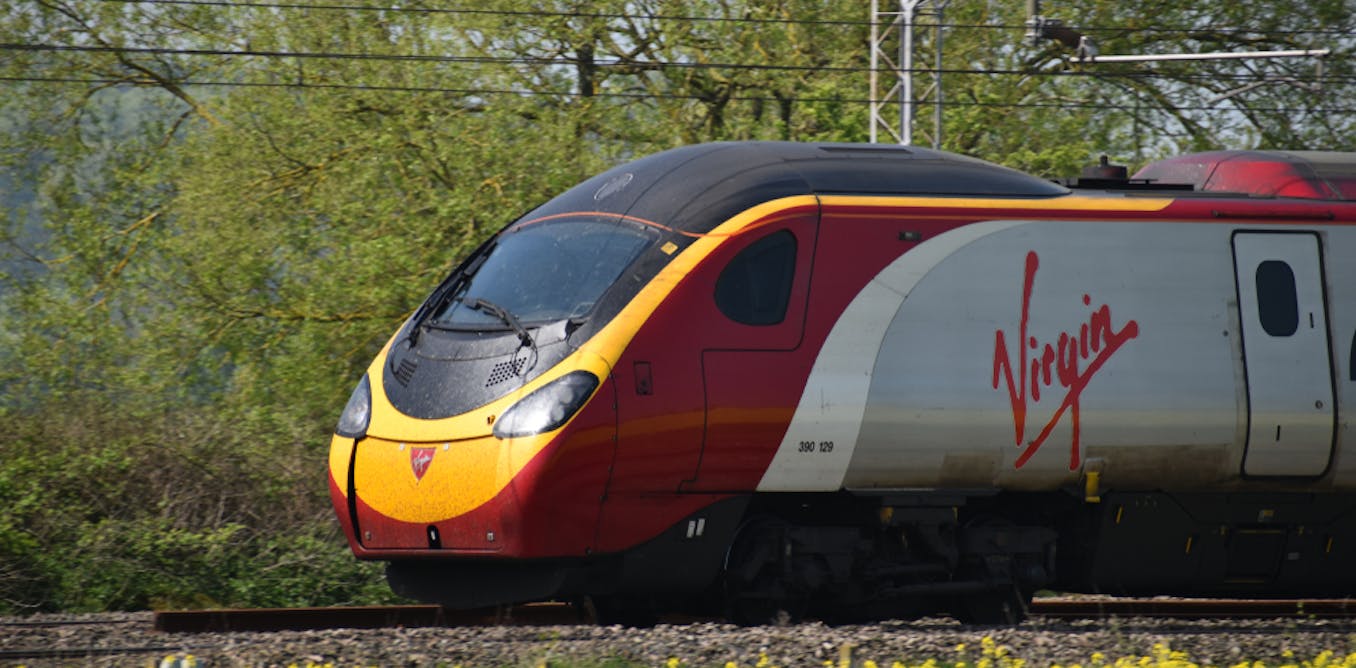
Britain's rail regulator has granted Virgin Trains access to HS1, the high-speed line between St Pancras and the Channel Tunnel — another step towards Virgin running services to Paris, Brussels and Amsterdam from 2030.
The company proposes to start with Paris, adding Brussels and Amsterdam later, and eventually building to around 20 daily return services.
The market it is entering
Rail is already the established choice over flying between London and Paris, which makes this a very different proposition from the one Eurostar faced.
When Eurostar launched in 1994, four million passengers a year flew between the two cities. In 2025, almost ten million travelled between them by air or rail — 7.6 million by Eurostar and 2.3 million by air. Eurostar did not simply take passengers from airlines. It helped create a market two and a half times larger while largely eliminating meaningful city-to-city air competition.
So the growth story has already happened. Virgin is arriving into a mature market, and the two questions that decide its fate are whether it can operate more efficiently than the incumbent, and whether it can persuade passengers that two trains making the same journey are not the same product.
The thing Virgin has historically been good at
That second question is the interesting one, and it happens to describe Virgin's core competence.
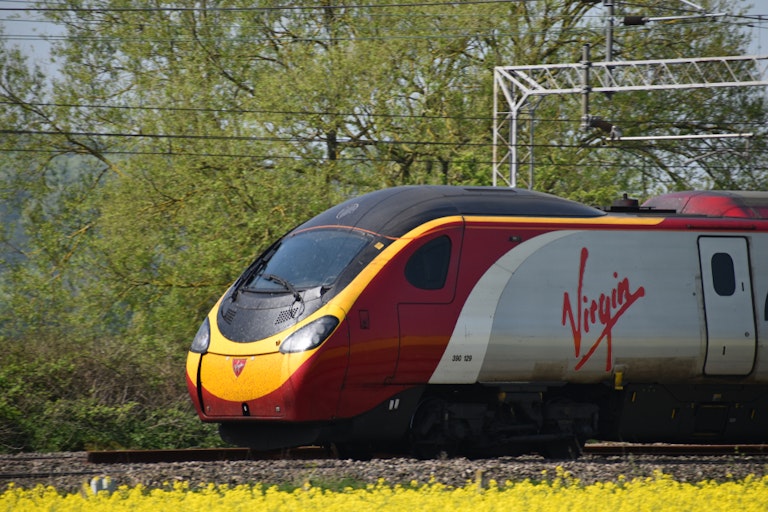
Its transport businesses have rarely competed on being cheapest. They have made otherwise similar journeys feel like different products. Virgin Trains demonstrated exactly this on the West Coast Main Line; Avanti now runs the same railway without the same distinctive proposition, which is a useful natural experiment in how much of that was branding rather than track.
Seen this way, Eurostar starts to resemble British Airways as it looked to Virgin Atlantic in the 1980s: an incumbent with a strong position, a captive route and no particular need to be loved. The challenge is not only to convince more people to travel by rail. It is to make them care which rail company they travel with.
Where the operational edge might come from
Virgin's choice of rolling stock could matter more than the branding.
Its proposed fleet is 12 Alstom Avelia Stream trains of around 200 metres, roughly 500 seats each. That allows Virgin to match train size to demand: run one unit when traffic is thin, couple two when it needs full international capacity.
That flexibility is worth most on Brussels and Amsterdam, where demand is lower than for Paris. Eurostar's 900-seat trains frequently depart with substantial unused capacity — every empty seat carrying its share of the path charge, the crew cost and the energy bill.
Shorter trains are also easier to stable off the track, which is a genuine constraint at congested terminals.
The precedent worth remembering
Thalys operated as a separate high-speed operator connecting Paris and its neighbours before being folded into the Eurostar brand, which is a reminder that competition on these routes has been tried and has not always persisted.
The economics are unforgiving. International high-speed rail carries enormous fixed costs — rolling stock, border facilities, track access, depots — against a route network that cannot easily be expanded when a market disappoints.
Virgin has until 2030 to solve that. What it has already secured is the thing that has blocked every previous challenger: permission to use the track.
More from peatpost

Real Estate Market Forecast 2026: U.S., Spain, Italy and Switzerland Face a Changing Landscape as Crypto Enters the Property Market
Global housing markets diverge in 2026 as mortgage rates ease, supply shortages persist, and blockchain-based transactions move from pilot projects toward mainstream adoption.
Clarity Act Odds More Than Doubled to 31% as Trump Reportedly Backed Ethics Limits
The crypto market structure bill needed 60 Senate votes to reach floor debate; supporters likely required nine Democrats, and none had publicly committed.

India to push BRICS digital currency link despite hurdles, sources say
India is chairing BRICS this year, with leaders of the bloc set to meet in New Delhi on September 12 to 13.
Discussion
0 commentsNo comments yet — be the first to weigh in.