Your Crypto Could Soon Pay Anywhere Visa Works — No Card, No Selling
Mesh and Visa plan to let people tap to pay at more than 175 million merchant locations straight from crypto and stablecoin balances. The catch: there is no launch date yet.
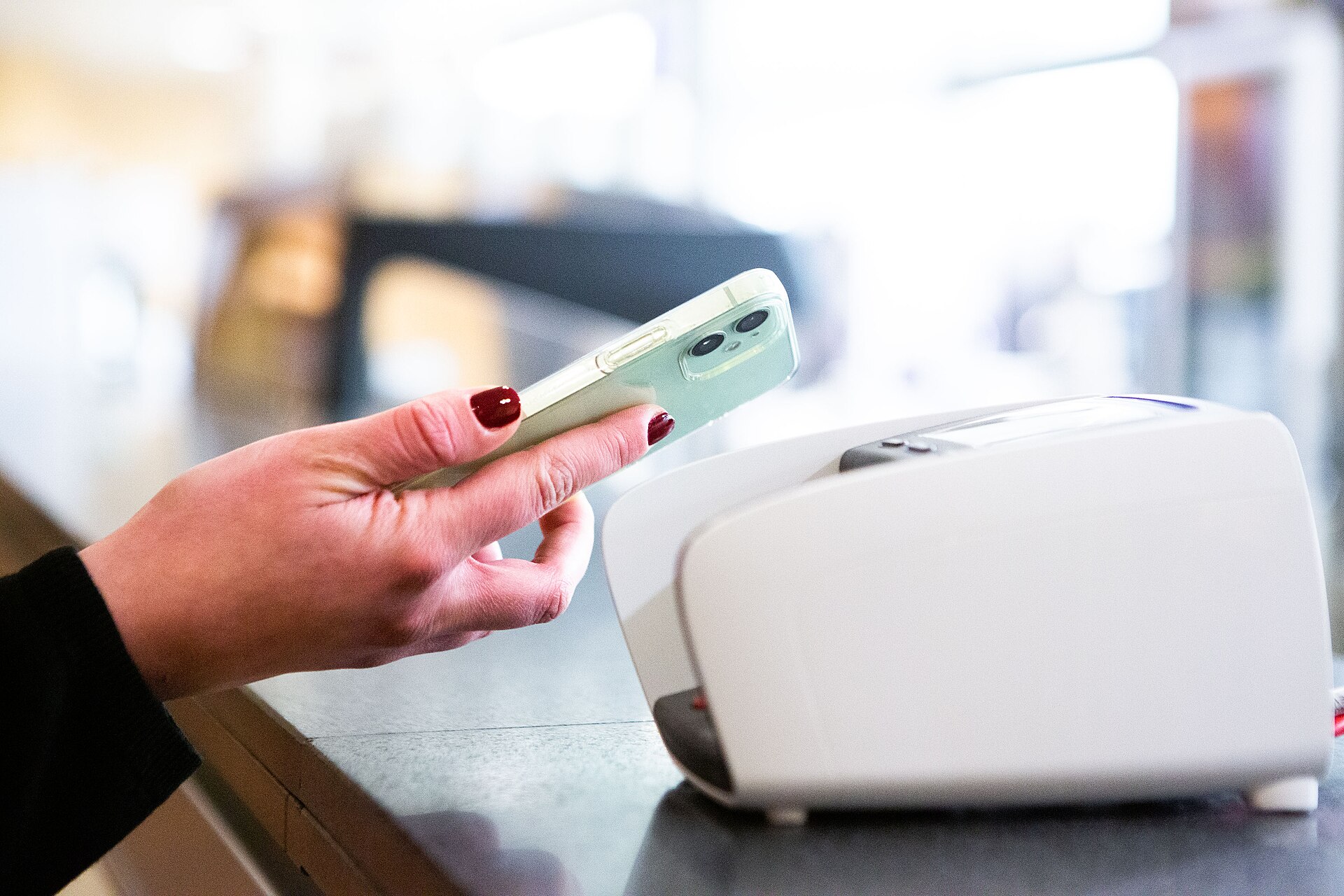
People could soon pay for coffee, groceries or flights straight from the crypto and stablecoin balances sitting in their wallet apps, without selling anything first or carrying a separate crypto card, under a plan announced by Visa and the crypto payments firm Mesh.
The two companies said on 19 October that Mesh will connect participating digital wallets and platforms to Visa's acceptance network, which spans more than 175 million merchant locations in over 200 countries and territories. The Defiant was among the outlets to report the plan.
How it would work
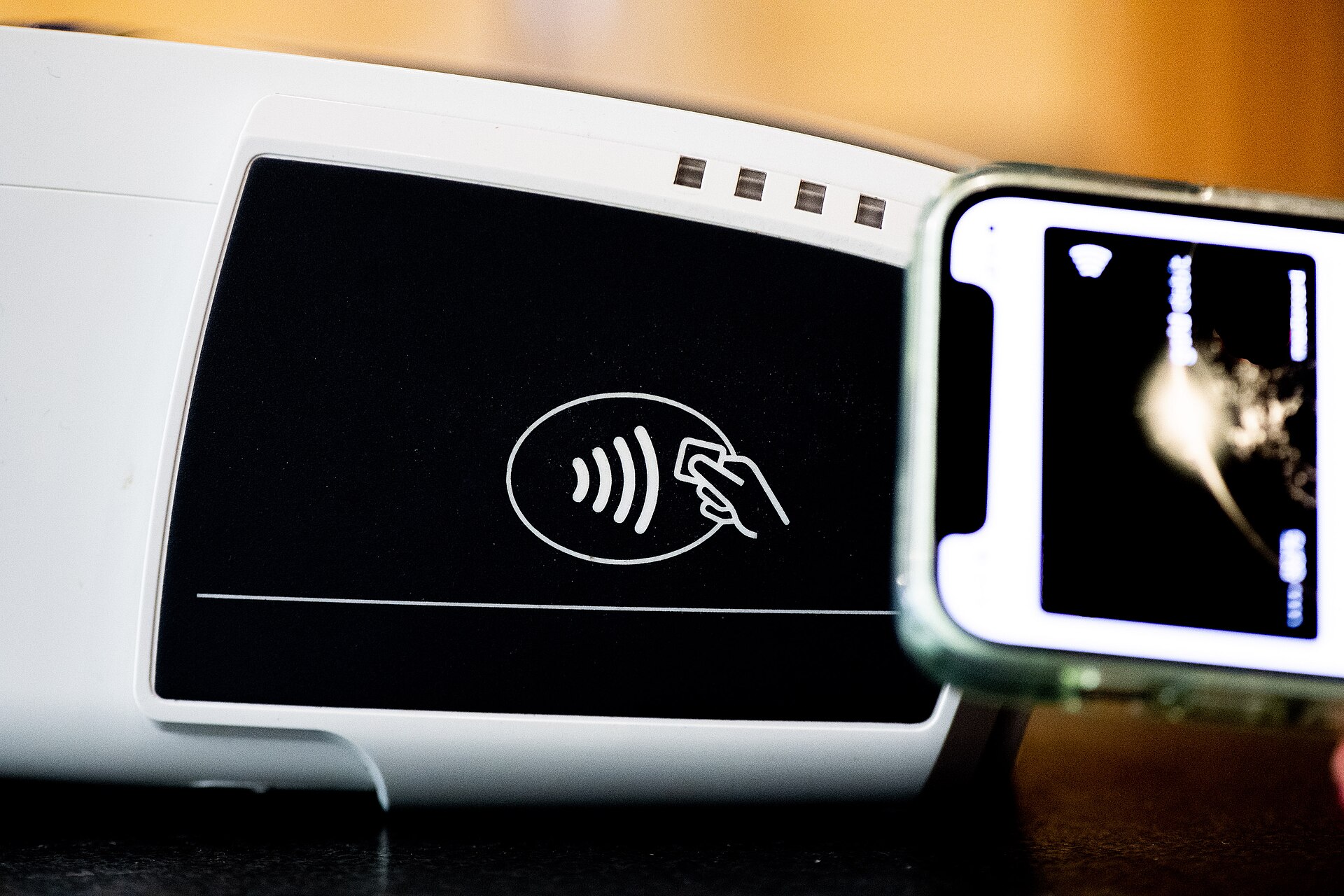
Under the arrangement, a Visa credential is set up in the background for the user, according to the companies' announcement. Shoppers would tap their phone at an ordinary contactless terminal or check out online, and the merchant would receive a standard Visa payment in regular currency.
Mesh sits in the middle. It decides how each purchase is funded and converts the value across crypto, stablecoins and fiat at the moment of payment, so users do not need to sell, transfer or preload funds beforehand. Mesh also acts as programme manager, handling onboarding and identity checks.
For wallet providers, the pitch is simplicity: they can add Visa spending through a single Mesh integration rather than building and running their own card programme. Merchants need no new hardware and no changes to their checkout.
Why it matters
Crypto has long had a spending gap. Holders who want to buy everyday goods usually have to move funds to an exchange, sell, and withdraw to a bank, or sign up for a dedicated crypto debit card.
"Crypto never had a spending problem — it has a last-mile problem," said Bam Azizi, Mesh's chief executive and co-founder, describing the distance between holding digital assets and using them at the till. Rubail Birwadker, Visa's global head of growth, said the tie-up would widen how digital asset balances connect to the payment experiences consumers and merchants already rely on.
The potential audience is large. The announcement cited research from Crypto.com estimating 774 million crypto owners worldwide as of June 2026, and an American Banker estimate that crypto card volumes had reached roughly $1.5bn a month by late 2025. Visa itself handled $14.2tn in payments volume in its 2025 fiscal year.
Who is Mesh
Founded in 2020, Mesh describes itself as a crypto payments network linking exchanges, wallets and financial platforms. In January it raised $75m in a Series C round led by Dragonfly at a $1bn valuation, with Paradigm and Coinbase Ventures among the backers, taking its total funding past $200m. The company says it handles about $10bn of payments volume a month.
Mesh says more than 200 enterprises use its network and that its partner programme has over 50 members, including the prediction market Kalshi and Tools for Humanity. It already powers crypto checkout for other payment companies, including PayPal's Pay with Crypto service and the processor Shift4, according to Mesh.
Part of Visa's wider crypto push
The deal extends Visa's growing involvement in digital assets. In March, Visa said stablecoin-linked cards issued with Bridge were live in 18 countries, with plans to expand to more than 100 by the end of the year.
The Mesh approach differs in one important way. Rather than issuing people a new card, it aims to make the balances they already hold spendable from inside the wallet apps they already use.
The catch
For now, this is a plan rather than a product. The companies said initial availability, supported devices and participating platforms will be announced once rollout details are finalised. No launch date has been given.
Several practical questions remain open:
- Fees: neither company has said what users or wallets will pay for the conversion.
- Disputes and refunds: it is not yet clear who handles reversals when a purchase goes wrong. Mesh advertises "zero chargebacks" for its own crypto-native payments, but that does not automatically carry over to purchases routed through Visa.
- Taxes: in many countries, spending crypto counts as disposing of it, which can create a taxable gain or loss on every purchase.
- Which wallets: the participating apps, and the countries they serve, have not been named.
What to watch
The first wallets to switch the feature on, and the markets they cover, will show how quickly the idea reaches ordinary users. Fee levels and buyer protection will decide whether paying from a wallet beats simply using a crypto card or a bank card.
If it works as described, the most noticeable change may be that crypto spending stops looking like crypto at all: a tap at the till, and the shop never knows the difference.
Photos: European Commission / Wikimedia Commons (CC BY 4.0).
More from peatpost
LNbits Tells Operators to Shut Down Bitcoin Payment Servers After Wave of Attacks
The Lightning payments project has disabled its hosted service and asked self-hosters to stop their instances, but no stable fix or restart clearance has been published.
Bitget Launches Open Custody Network to Separate Trading From Asset Storage
The exchange says eligible users can trade on its venue while assets sit with external banks and custodians, but the real protection depends on how settlement is designed.

Aave Labs Acquires Avon Team and Technology in Push Towards Fixed-Rate Onchain Lending
The deal brings Avon's order-book technology and three staff to Aave Labs, though no fixed-rate Aave product has yet launched and financial terms were not disclosed.
Discussion
0 commentsNo comments yet — be the first to weigh in.