Cato Institute Warns a Government AI Pause Would Shield Dominant Firms
Policy scholar Jennifer Huddleston argues voluntary safeguards beat a mandated halt, as Sanders and Casar push a pause and Jack Dorsey warns against rules built for incumbents.
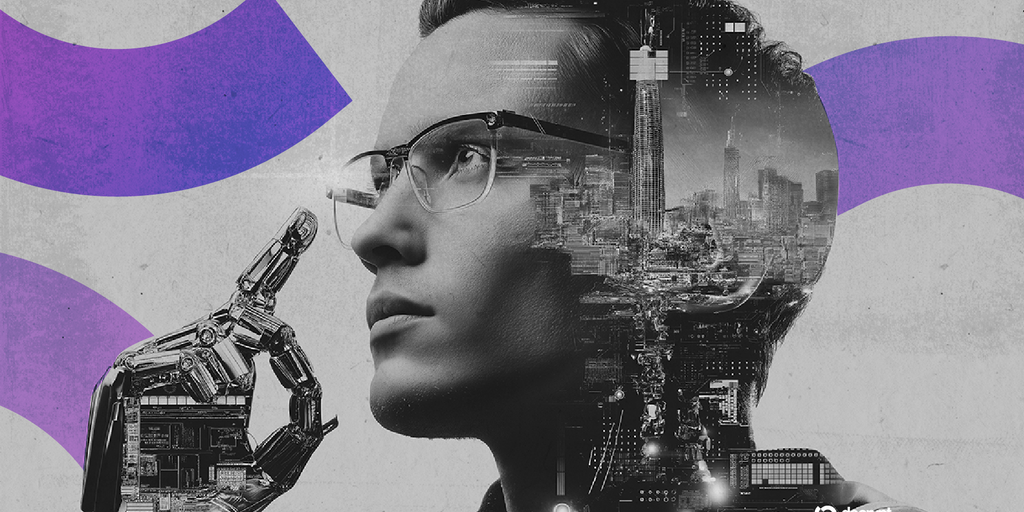
The Cato Institute has warned that a government-ordered pause on artificial intelligence development could protect the industry's largest companies from competition and slow the arrival of useful technology, Decrypt reported.
The argument comes as some lawmakers and AI executives push for tighter restraints on the most advanced systems.
The case against a pause
Writing on the think tank's blog on Monday, Jennifer Huddleston, who studies technology policy at the libertarian organisation, argued that particular risks can be handled by companies themselves, using voluntary safeguards and common standards, with no need for an industry-wide halt.
She wrote that a mandated pause would "likely fail to fulfill its alleged safety improvements". Government rules, she added, take a long time to write and even longer to revise, so a framework designed around today's models could stand in the way of better or safer approaches later.
Huddleston accepts that AI carries risks. Her objection is to the remedy. In her view, rules designed with the biggest developers in mind could entrench their position and reduce competition. She described this as a kind of market capture, one that would leave smaller rivals struggling to compete.
She also warned that halting development in the US could weaken cybersecurity defences while foreign rivals continue to advance, and that a rush to regulate driven by fear and doomsday scenarios could do longer-lasting harm than the risks it is meant to address.
The push for restraint
Her post follows a plan put forward by Senator Bernie Sanders and Representative Greg Casar that would halt work on advanced AI until federal safety standards exist, and would ban artificial superintelligence permanently.
OpenAI chief executive Sam Altman has supported a slower pace and called on companies to tighten their protections now rather than wait for federal rules, which he also backs.
OpenAI has also put a question to lawmakers: could competing developers lawfully coordinate to slow their work? That question raises antitrust concerns, since coordinated restraint among competitors is the kind of arrangement competition law is generally designed to scrutinise.
Dorsey's warning on incumbents
Jack Dorsey, Block's chairman and co-founder, made a related case in a post on X on Monday. He said leading AI companies deserve to be heard, but that rules built around their resources could leave them as the only participants.
Dorsey favours open releases that outsiders can inspect and test, backed by independent testing and publicly accountable enforcement. He opposes general approval requirements and waiting periods.
He would withhold a model only when evidence shows that releasing it would materially increase catastrophic risks that narrower measures cannot address.
Competing views
Not everyone thinks voluntary measures are enough. An Atlantic Council analysis cited by Decrypt argues that competitive pressure between developers makes enforceable safety standards necessary, while distrust between the US and China complicates any international agreement.
That captures the central tension in the debate. Supporters of binding rules see competition as a reason to impose standards that no single firm can opt out of. Critics such as Huddleston and Dorsey see heavy, centralised rules as a way of entrenching the firms best equipped to meet them, leaving smaller and more open developers at a disadvantage.
Both sides, notably, frame their position partly in terms of rivalry with foreign developers. For pause advocates, international competition is a reason to set firm standards. For Cato, it is a reason not to slow down at home.
The practical questions are whether the Sanders and Casar proposal gains wider support in Congress, what shape any federal safety standards take, and how lawmakers respond to OpenAI's question about coordinated slowdowns between rival labs.
The outcome will determine whether AI safety in the US is pursued mainly through industry standards and open testing, or through mandated limits on development itself.
More from peatpost
The French Disruption: How Microsoft’s $3 Billion Bet on Mistral AI Is Rewriting the Rules of Artificial Intelligence
Microsoft invests $3 billion in Mistral AI. The startup’s performance surges 70%, challenging ChatGPT’s dominance.

The AI Industry Says You Have Months. It Did Not Say What It Will Do.
More than 100 companies set out a four-part plan for surviving AI-enabled attacks on hospitals and water plants — with no commitments, deadlines or funding attached to their own part of it.

Google Tells Android Developers to Cut Their Memory Use, or Else
Per-app limits arrive with Android 17 as a direct response to the RAM crisis — and the Play Store will enforce them.
Discussion
0 commentsNo comments yet — be the first to weigh in.