The AI Gold Rush Is Pulling Miners Away From Bitcoin for Good
Riot signed a $9bn, 20-year compute deal with Anthropic. Once the warehouses switch, the change is expensive to undo.
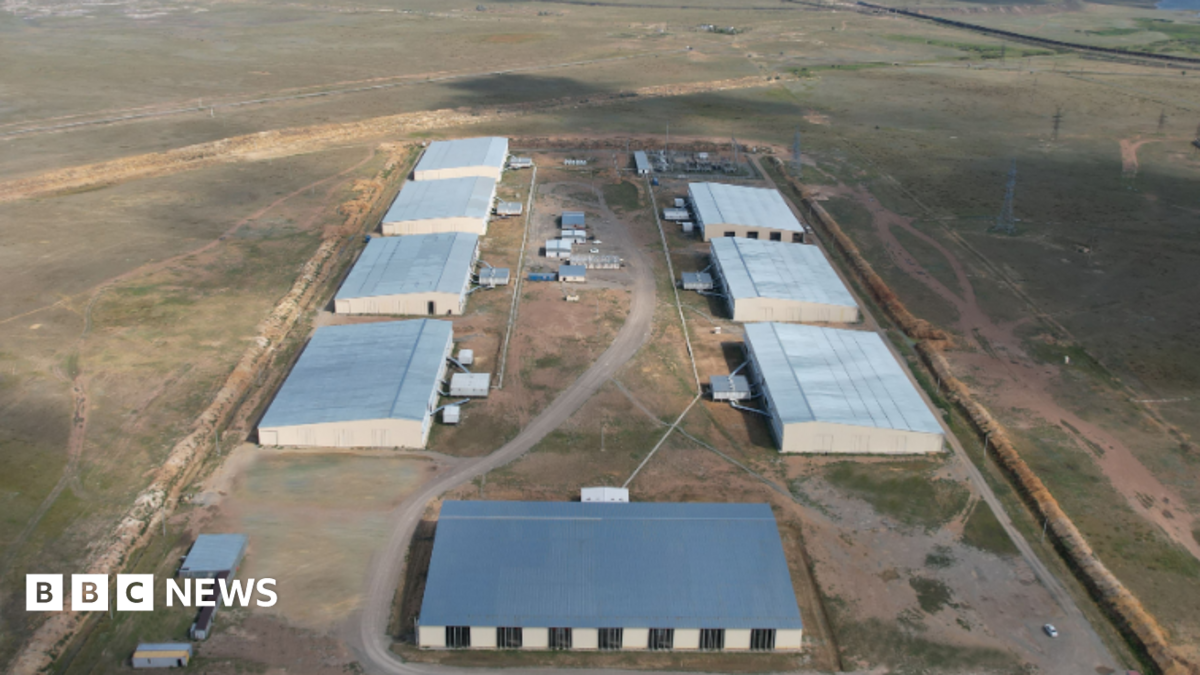
Companies that once filled warehouses with computers to earn bitcoin are now pointing that hardware and that power at artificial intelligence instead.
Bitcoin miners invested enormous sums in banks of powerful machines as the price climbed in recent years. Rewards have fallen since the cryptocurrency slumped from its October 2025 peak, and many operators are now signing deals with AI companies spending billions on infrastructure.
Why the two businesses are interchangeable
Like AI systems, bitcoin depends on large networks of powerful computers housed in data centres. Because bitcoin operates without a central authority, those machines verify transactions and are rewarded with newly created coins.
Analysts say miners have pivoted because they already possess the two scarce competencies: years of experience finding cheap electricity, and running large data centres efficiently. Those are precisely the constraints now binding the AI industry.
One bitcoin was worth about $124,000 at its October 2025 peak. It has since fallen sharply, though a recent rally has brought it back to around $80,000 — up almost 30% in August alone.
The one-way door
Even a 30% monthly rally may not be enough to bring the converted operators back, because the switch is expensive to reverse.
Mining hardware and AI hardware are not the same machines. ASICs built for bitcoin do one arithmetic operation extremely fast and nothing else; AI workloads need GPUs, far more memory, different cooling and much heavier networking. A site rebuilt for AI has thrown out the mining rigs, rewired the racks and signed long-term contracts with a customer who expects uptime guarantees a mining operation never had to offer.
That is the significance of Riot Platforms signing a $9bn, 20-year compute deal with Anthropic earlier this month. Twenty years is not a hedge against a bad bitcoin quarter. It is an exit from the industry.
Who has moved
TerraWulf, Ionic Digital, Core Scientific, Iris Energy, Bitdeer, Riot Platforms and Hut 8 are among the companies redirecting investment and infrastructure from mining towards AI.
The rebranding has followed the capital. TerraWulf's website once described the firm as an "infrastructure-focused bitcoin mining company"; it now says it focuses on "next-generation AI and high-performance computing."
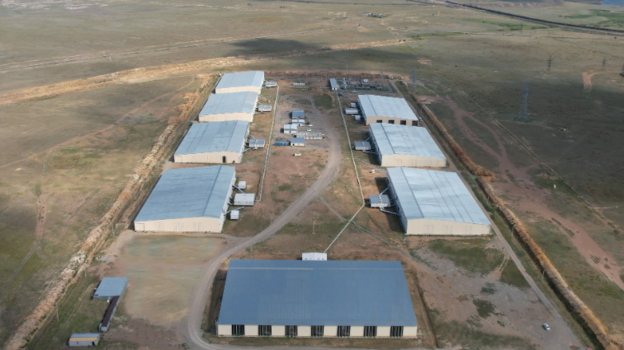
Enegix, which opened a large mining site in Kazakhstan to considerable fanfare in 2020, is going the same way. "Today, we are moving confidently towards artificial intelligence and planning the gradual alignment of our energy and infrastructure capabilities, both in Kazakhstan and elsewhere, towards the development of AI infrastructure," the company said.
What it means for bitcoin
There is a second-order effect worth noting. Mining capacity leaving the network lowers the difficulty for those who remain, improving their margins — a self-correcting mechanism built into the protocol.
But the composition of the network changes. Bitcoin's security has increasingly rested on large, well-capitalised, publicly listed operators who could raise money on equity markets. As those firms convert into AI infrastructure businesses, the remaining miners are smaller, more leveraged and more exposed to the price. That is a different risk profile for the network than the one it had a year ago.
More from peatpost
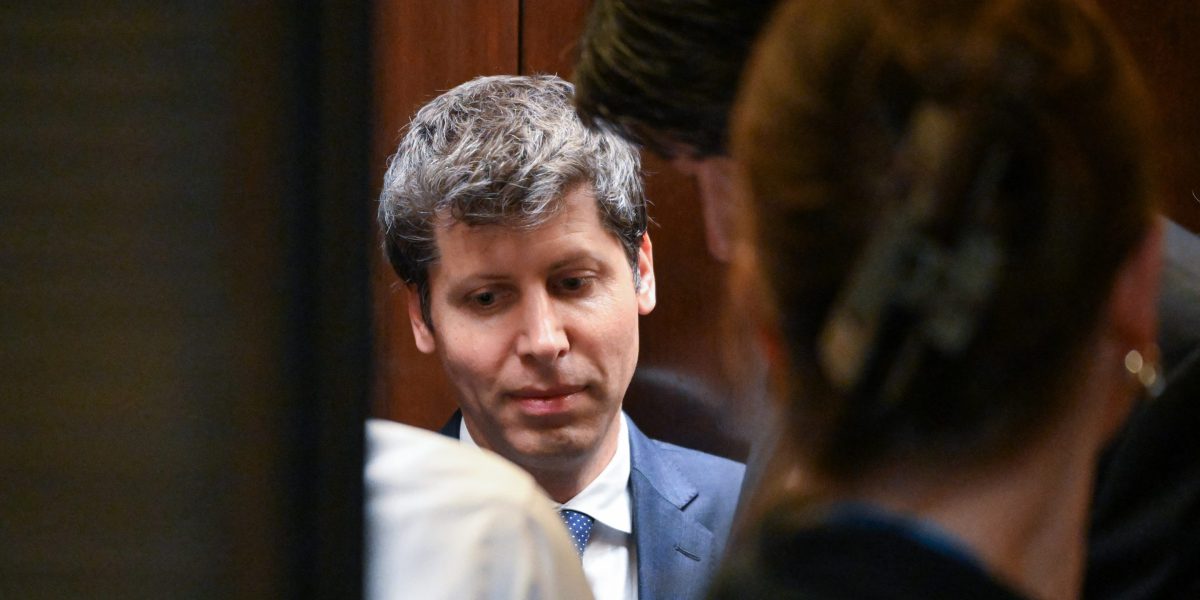
'Clearly, People Hate Data Centers': Altman Concedes the Backlash
Seven in ten Americans oppose one being built near them. At least 48 projects worth $156bn have already been blocked or stalled.

Former Barclays Chief Questioned Under Oath Over Epstein Emails
Newly released transcripts show US lawmakers pressing Jes Staley on 2010 exchanges. He denies the central allegation.
Nvidia's $12.9bn Move for Hugging Face Would Put Silicon and Distribution Under One Roof
The largest GPU maker buying the largest open-model hub would concentrate the entire open-source AI pipeline inside one company.
Discussion
0 commentsNo comments yet — be the first to weigh in.