'Clearly, People Hate Data Centers': Altman Concedes the Backlash
Seven in ten Americans oppose one being built near them. At least 48 projects worth $156bn have already been blocked or stalled.
OpenAI's infrastructure ambitions are colliding with a problem no amount of compute can solve: the public does not want the buildings.
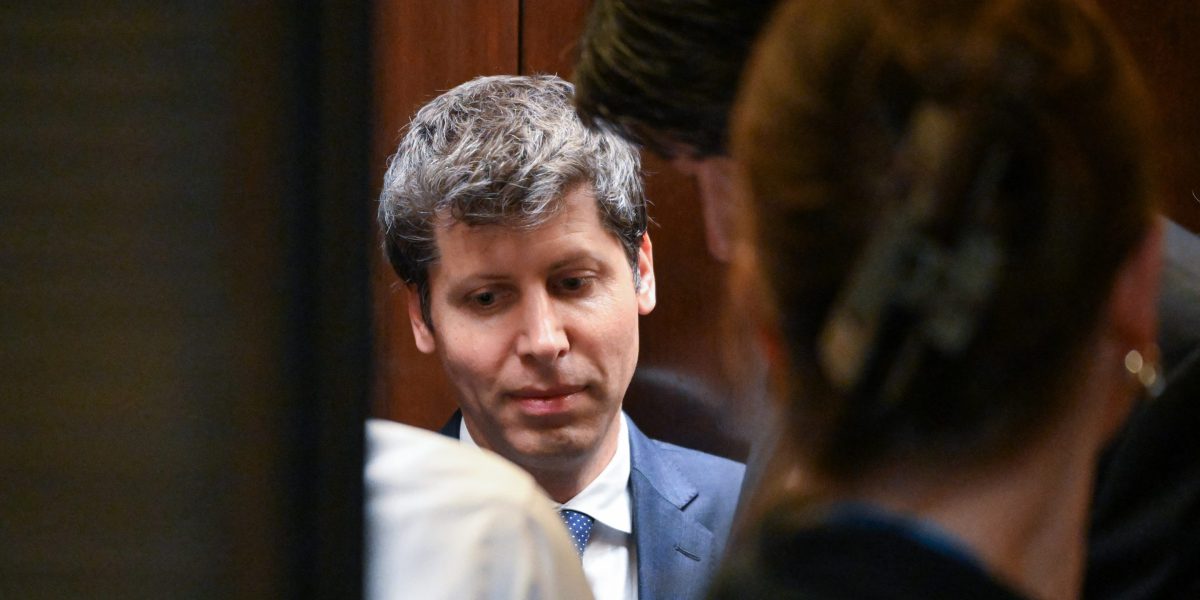
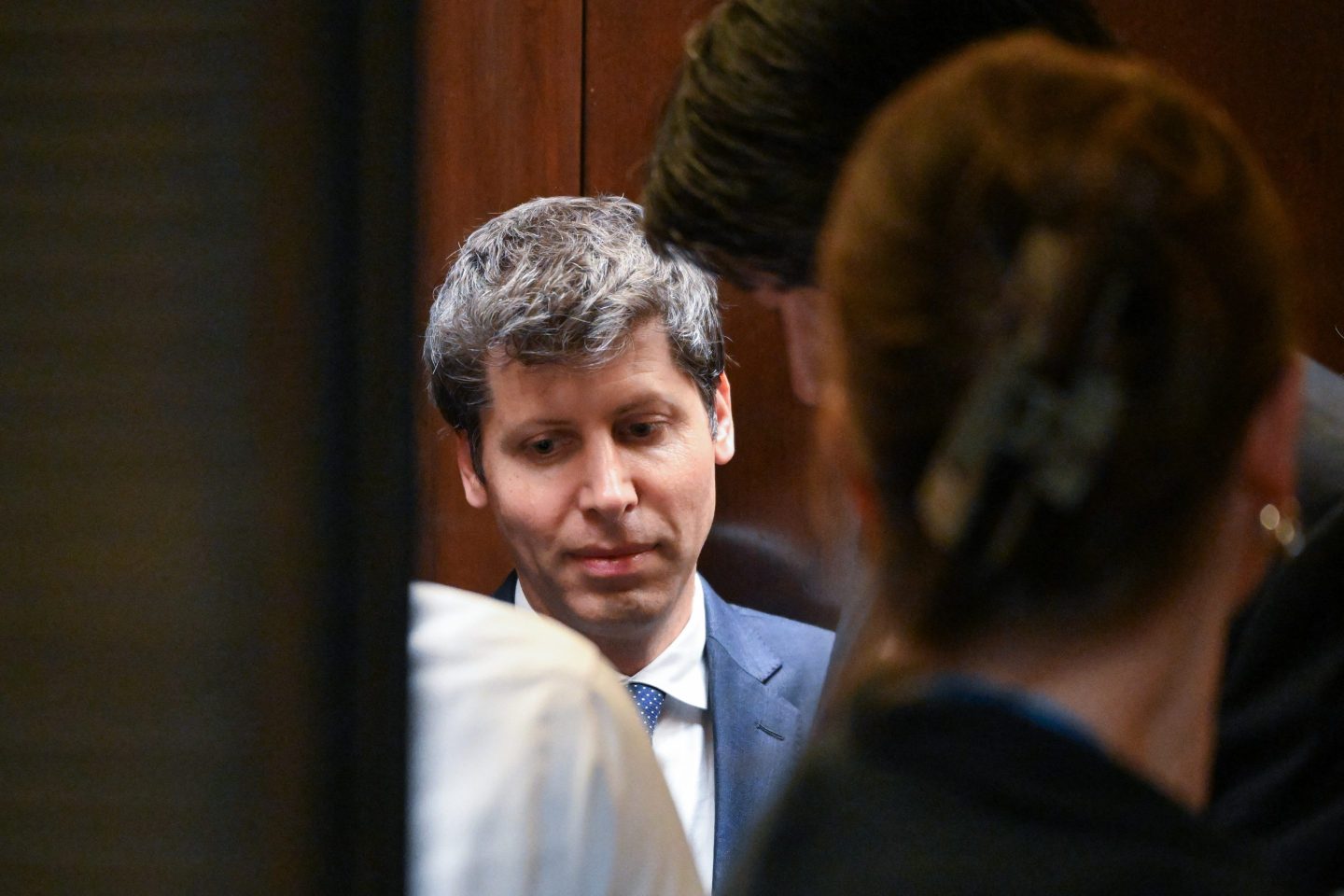
"Clearly, people hate data centers — right now, at least," chief executive Sam Altman told Time. "People are pretty negative on AI." It is an awkward admission from a company planning to spend $50bn on compute this year.
The week before that interview, OpenAI's head of data centres, Chris Malone, left the company, as reported by the Wall Street Journal and confirmed by CNBC, which obtained a statement saying the infrastructure team had "recently reorganized."
The scale being proposed
OpenAI has spent the past year expanding Stargate, the infrastructure project launched with SoftBank early last year with plans to invest as much as $500bn in US AI infrastructure.
By September 2025 it had announced six US Stargate sites and said those facilities — with its Abilene flagship and ongoing CoreWeave projects — would bring the programme to nearly 7 gigawatts of planned capacity. Since then it has added a Michigan campus of more than 1GW, a Georgia project contracted for 3.2GW of power, and this month an agreement for roughly 8GW of IT capacity in southern Ohio.
The company says it is already planning beyond Stargate's original 10-gigawatt target and still does not have enough computing power. "If anything, we should have bought a lot more," said Sachin Katti, the executive overseeing OpenAI's compute efforts.
What the polling shows
Seven in ten Americans oppose building data centres in their area, according to a Gallup poll released in May, including 48% who strongly oppose. Residents in targeted communities worry about higher power bills, water use, noise and strain on local infrastructure. Some estimates put the electricity cost attributable to data centres at $23bn.
A Pew Research Center survey found Americans far more likely to say data centres were bad rather than good for home energy costs, the environment and nearby quality of life. Among those who had heard a lot about them, 67% believed the facilities were more harmful than beneficial — meaning familiarity increases opposition rather than reducing it.
It is already costing money
The hostility has moved from polling into balance sheets. At least 48 data centre projects representing $156bn in investment have been blocked or stalled by local resistance.
The most striking detail is that only 8% of Americans who oppose data centres live near one. The outrage has gone national, which means it no longer behaves like a conventional planning dispute that can be settled with local compensation, jobs guarantees or a community fund.
The bind
This is the structural difficulty facing every large AI company at once. The capital is available, the demand for compute is real, and the constraint has become social licence — a resource that cannot be bought at scale and that the industry has spent very little effort cultivating.
Altman's candour is notable mainly for what it concedes: that this is not a communications failure to be corrected, but a settled public judgement that his industry is planning around rather than answering.
More from peatpost

Former Barclays Chief Questioned Under Oath Over Epstein Emails
Newly released transcripts show US lawmakers pressing Jes Staley on 2010 exchanges. He denies the central allegation.
Nvidia's $12.9bn Move for Hugging Face Would Put Silicon and Distribution Under One Roof
The largest GPU maker buying the largest open-model hub would concentrate the entire open-source AI pipeline inside one company.

Atoire Raises $9.5m to Sell Luxury Goods Without the Luxury Markup
Same factories, same Italian leather, a few hundred dollars instead of a few thousand. a16z Speedrun and Lightspeed's Jeremy Liew are backing it.
Discussion
0 commentsNo comments yet — be the first to weigh in.