The CIA Director Made a Secret Trip to Moscow. That Is Not Routine.
Trump called it 'semi-routine'. The last such visit was five years ago, weeks before Russia's plans to invade Ukraine.
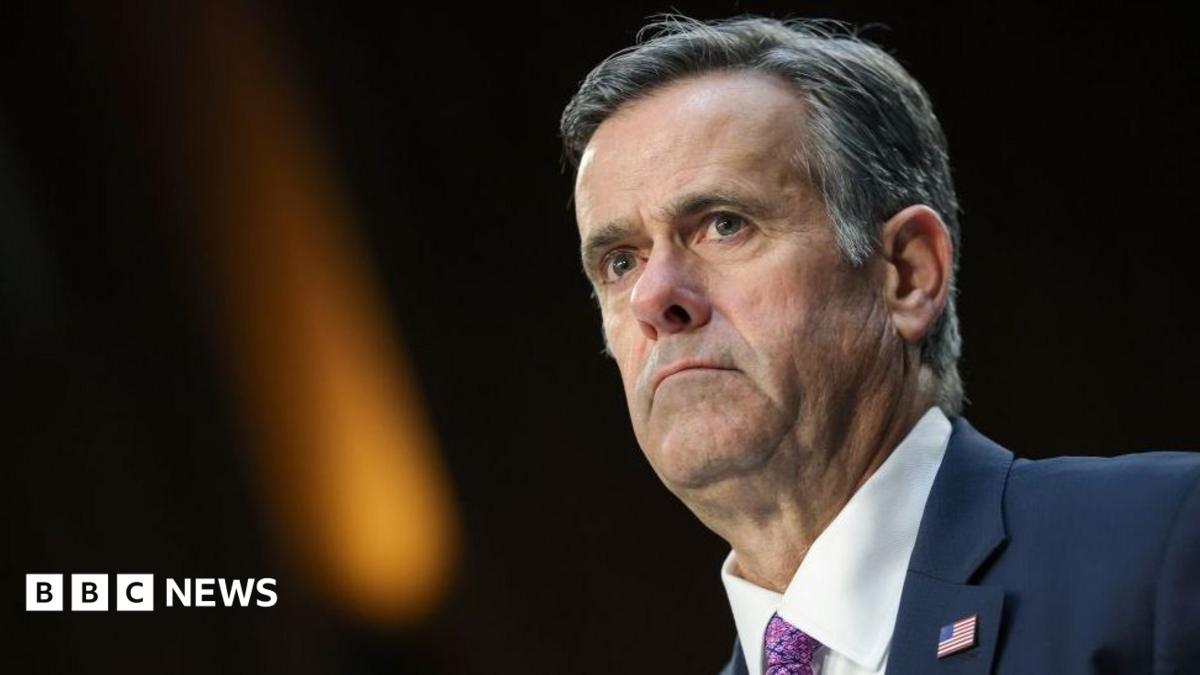
President Donald Trump described John Ratcliffe's trip to Russia as a "semi-routine" visit. There is nothing routine about the CIA director making a secret 10,000-mile return dash to Moscow.
Ratcliffe met Russian intelligence officials on Tuesday — notably his counterpart at Russia's overseas spy agency, Sergei Naryshkin — after arriving unannounced on a US military plane, as the Kremlin subsequently confirmed.
The precedent
It has been nearly five years since his predecessor William Burns made the same journey. That trip came at a comparably tense moment, just as Russia was finalising plans to invade Ukraine.
That single comparison is why the visit is being read as serious. A CIA director does not fly to Moscow to exchange pleasantries; the channel is reserved for messages that governments want delivered privately, unambiguously, and by someone whose authority cannot be questioned.
What the message appears to have been
In the absence of any official US explanation, it is widely reported that Ratcliffe went to warn Moscow against escalation over the stalemate in Ukraine — specifically against action targeting NATO members.
One US official told Politico that the "meeting was primarily to warn Russia against any escalatory action against the Baltic states."
That is a significant thing to need to say in person. A warning about the Baltics is a warning about Article 5, the mutual defence commitment that would convert a Russian action against Estonia, Latvia or Lithuania into a war with the entire alliance.
The British dimension
The United Kingdom is also in Russian sights. On Thursday a foreign ministry spokeswoman said Russia could strike British military targets in retaliation for Ukrainian strikes using British-supplied weapons.
That threat and this trip belong to the same sequence. Moscow is signalling publicly that it regards suppliers of long-range weapons as legitimate targets; Washington is signalling privately where the limits are.
Why a spy chief and not a diplomat
The choice of channel carries information of its own.
A formal diplomatic démarche is public, creates a record, and requires a response. An intelligence-to-intelligence meeting does none of those things. It allows both sides to exchange precise, deniable information about capabilities and intentions without either government having to acknowledge a negotiation is taking place.
It is the channel governments use when they judge the risk of misreading each other to be higher than the risk of talking. The fact that it has been opened, for the first time since the eve of the invasion, is the story — considerably more than the president's characterisation of it as semi-routine.
Why the Baltics specifically
Estonia, Latvia and Lithuania are the alliance's most exposed members: small, bordering Russia, with substantial Russian-speaking minorities and a narrow land corridor connecting them to the rest of NATO.
They are also where a deniable action is most plausible. The scenarios that worry planners are not tank columns but incidents below the threshold that would obviously trigger Article 5 — sabotage of undersea cables, incursions that can be attributed to unidentified actors, pressure on the Suwałki gap.
An explicit private warning is aimed precisely at that ambiguity. It removes the possibility of Moscow miscalculating how the United States would characterise such an event.
The risk of the channel
Back-channel diplomacy carries its own hazard. Because nothing is on the record, both governments retain the ability to describe the meeting however domestic politics requires — which is what Trump's "semi-routine" appears to be doing.
That flexibility is useful for managing a crisis and unhelpful for deterrence, which depends on a threat being understood identically by both parties. The Kremlin confirmed the visit; neither side has said what was agreed.
More from peatpost

Denmark’s CPR Breach: How a Security Failure Exposed 8.8 Million People and Shook the Nation’s Digital Trust
Hackers accessed names, addresses, and CPR numbers of 8.8 million people in Denmark’s national registry. The breach has reignited fears over data security and national digital infrastructure.
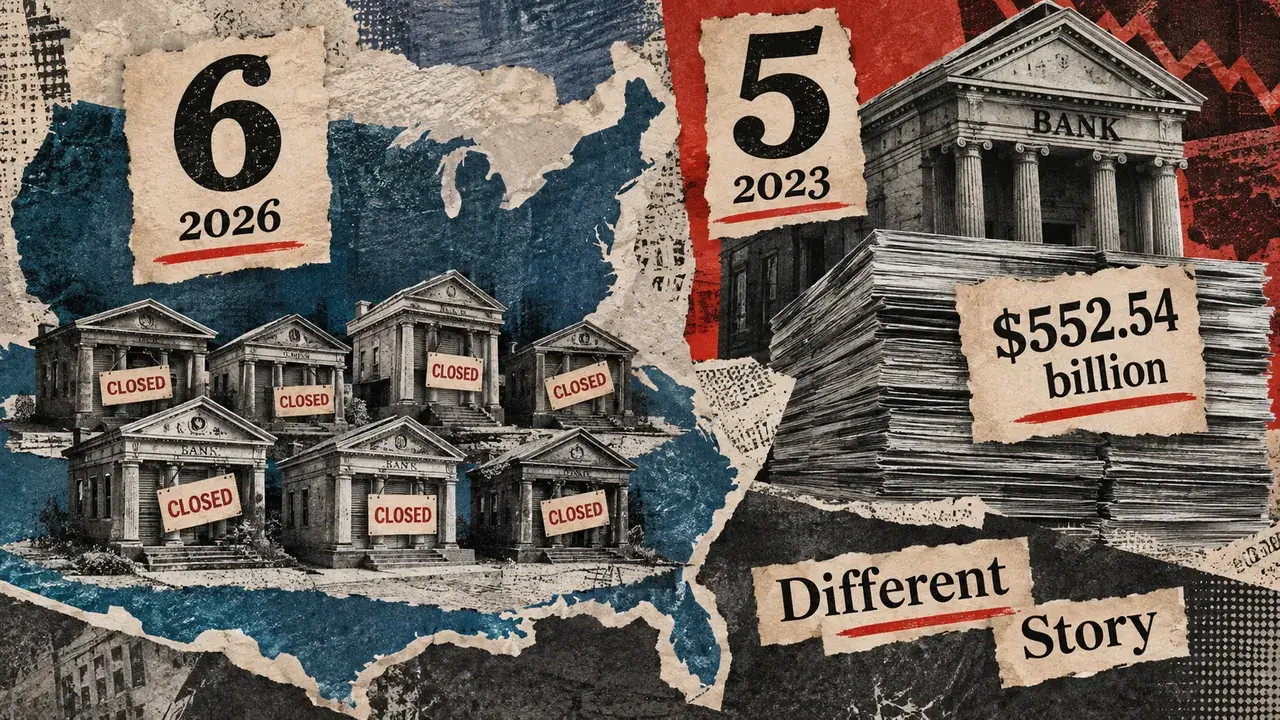
Six US Banks Have Failed in 2026, but They Held Only $1.43bn in Combined Assets
The banks that failed in 2023 held about $552.54bn. FDIC data also show a shrinking problem-bank list and higher industry profits this year.

Evernorth's XRP Treasury Faces Nasdaq Merger Vote With Room for 10bn Shares
Armada shareholders vote on 30 September. The proposed charter allows far more stock than the deal needs, putting dilution at the centre of Evernorth's XRP-per-share goal.
Discussion
0 commentsNo comments yet — be the first to weigh in.