Dolly Parton Turned Down Elvis, and It Made Her Millions
She refused to hand over half the rights to I Will Always Love You. Eighteen years later Whitney Houston recorded it and sold 20 million copies.
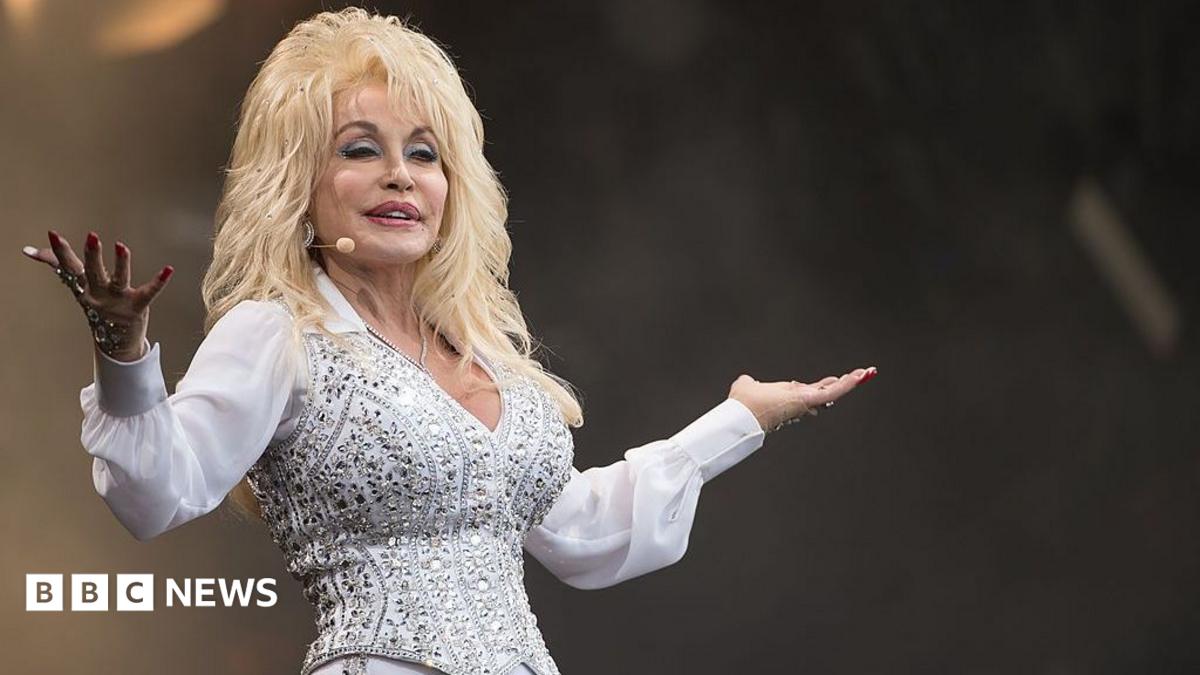
Not many musicians would turn down a chance to work with Elvis Presley. When Dolly Parton did, it eventually made her millions.
In 1974, after writing and recording I Will Always Love You, Parton was asked whether Presley could cover it. She refused, because his manager demanded half the rights.
"Of course, I cried all night about that," she said later.
She was not crying in 1992, when Whitney Houston's version became one of the best-selling singles ever recorded. Global sales topped 20 million and earned Parton more than $10m in royalties, according to Forbes.
The decision behind the decision
That single episode contains the whole of Parton's commercial philosophy. Presley in 1974 was the largest act in popular music, and the offer represented immediate exposure and immediate money. Half the publishing rights, at the time, looked like a reasonable price.
It was not, because a song's publishing generates income for as long as anyone records or plays it — and Parton understood that a catalogue is an annuity rather than a payday. Refusing cost her a hit in 1974 and bought her every cover version since.
Where it came from
Parton grew up poor. Her 1971 song Coat of Many Colours describes wearing rags to school that her mother had stitched together. Forbes estimated her net worth at $450m by the time she died.
In a 2017 BBC interview she credited her father with the commercial instincts. "My dad wasn't an educated man, he wasn't able to read and write, but my daddy had a great sense of business," she told the World Service. "So when I got into the music business, I thought of it as a business. And so I started early on keeping my own songs and my own publishing company."
That sentence describes something almost no artist of her generation did. The standard arrangement handed publishing to a label or a manager in exchange for support, which is why so many musicians of the era ended up wealthy in reputation and poor in assets.
Diversification, done properly
The publishing company was the foundation. It was not the whole structure.
In 1985 she co-founded Sandollar Productions, a film and television company whose credits include the cult 1990s thriller Buffy the Vampire Slayer. In 1986 she became co-owner of Dollywood, a theme park in the foothills of the Great Smoky Mountains in her native Tennessee. The park had changed hands repeatedly in its previous 25 years; her involvement lifted visitor numbers sharply.
She kept reinvesting. The DreamMore Resort, a four-star hotel and spa, opened down the road in 2015. Many of her relatives work at the park, which is now the largest employer in its county. She launched the Dolly Beauty cosmetics line in 2025 and opened Dolly's Tennessean Travel Stop in June this year, selling a coffee brand called Cup of Ambition — a reference to her Grammy-winning single 9 to 5.
The structure underneath the persona
Paul Milliken, a Fox 5 Atlanta reporter who interviewed her many times, identified diversification as the key to the business.
What makes the record unusual is that the ventures reinforce rather than merely accompany each other. The songs drive the persona; the persona fills the theme park; the park anchors a resort and a retail brand; and the publishing catalogue underwrites all of it regardless of whether she is touring.
Most celebrity business empires are licensing deals with a famous name attached, and they end when the fame does. Parton built assets that generate income without her — which is the difference between being well paid and being wealthy.
More from peatpost
'Clearly, People Hate Data Centers': Altman Concedes the Backlash
Seven in ten Americans oppose one being built near them. At least 48 projects worth $156bn have already been blocked or stalled.
Former Barclays Chief Questioned Under Oath Over Epstein Emails
Newly released transcripts show US lawmakers pressing Jes Staley on 2010 exchanges. He denies the central allegation.
Nvidia's $12.9bn Move for Hugging Face Would Put Silicon and Distribution Under One Roof
The largest GPU maker buying the largest open-model hub would concentrate the entire open-source AI pipeline inside one company.
Discussion
0 commentsNo comments yet — be the first to weigh in.