At Least 47 Killed and Dozens Taken Hostage in Attack Near Port-au-Prince
A gang leader has threatened to kill the hostages if police act. The attack came months before Haiti's first election in over a decade.
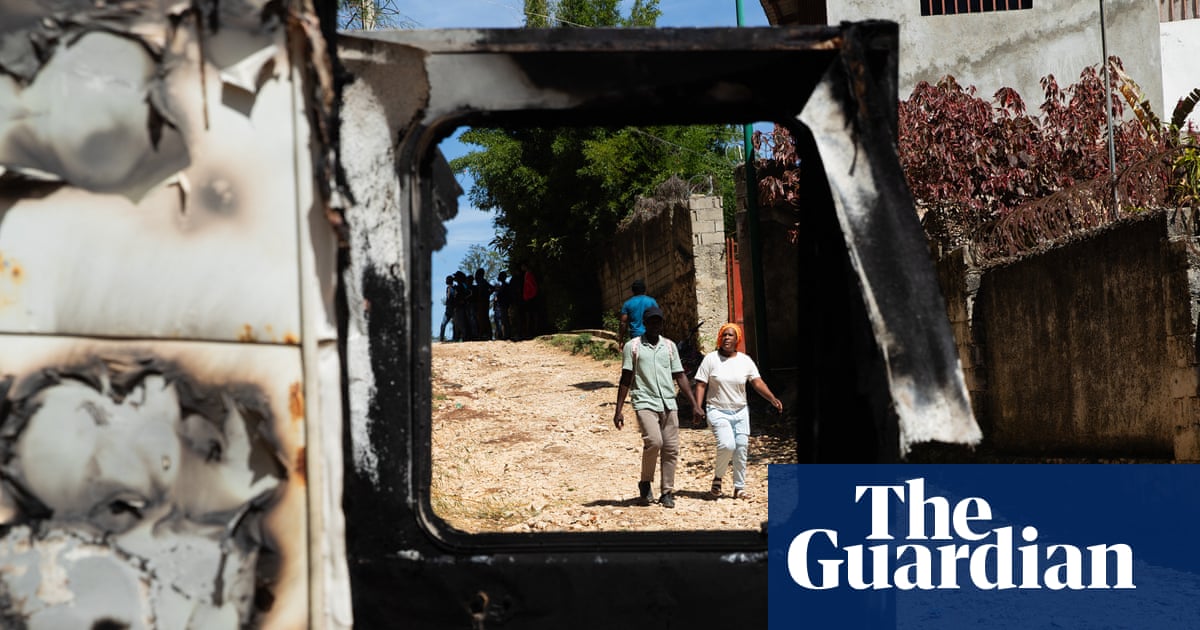
At least 47 people were killed and more than 50 kidnapped when armed men attacked a once peaceful community near Haiti's capital at the weekend, according to the United Nations. At least five of those killed were children, said the UN integrated office in Haiti, known as BINUH.
A gang leader has since threatened to kill the hostages if authorities kill any gang members while trying to secure the community of Kenscoff, in the hills above Port-au-Prince.
The threat
In a video posted on social media, the gang leader warned Haiti's national police director, Vladimir Paraison, not to use drones against gangs in the area. "Paraison, if any of our soldiers are hurt, I will kill all of them," he said, referring to the hostages.
He identified himself as Izo 2, a reference to Izo, or Johnson André, one of Haiti's most powerful gang figures. Romain Le Cour, head of the Haiti observatory at the Global Initiative Against Transnational Organized Crime, said Izo 2 — also known as Didi — led the armed group in Kenscoff on behalf of and in coordination with Izo and other leaders. "He's running a kind of franchise cell for other gangs," he said.
Why this location matters
Sunday's attack punctured a growing belief that security in Haiti was improving.
"This is a major political and security test — for the government, for the police and for the international mission alike," Le Cour said.
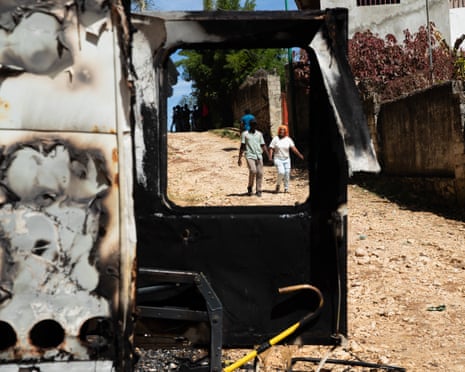
Kenscoff was first attacked in January 2025, with sporadic assaults on the surrounding mountains since. Sunday's was by far the largest. Kenscoff's mayor, Jean Massillon, said two government employees were among the dead, including his cousin, who served on his security detail. He said members of Viv Ansanm, the powerful gang coalition designated by the United States, were involved.
The strategy behind it
Le Cour argued the attack may be designed to stretch already thin resources. "They don't have enough personnel," he said of the police and the UN-backed gang suppression force. "If you force them to deploy more troops, it would inevitably be at the expense of other areas."
That is a calculated use of an opponent's weakness rather than an act of indiscriminate violence. A force too small to hold every district can be induced to abandon one by being made to defend another.
The electoral context
The timing is not incidental. Haiti is preparing to hold general elections on 13 December, its first in more than a decade.
"This is a message to the government and the police that their claims of protection do not match reality," Le Cour said. "The gangs are saying: when we choose to attack, we can, and we will succeed."
That is the specific problem an election creates. A vote requires the state to guarantee safety at thousands of fixed, publicised locations on a known date — the most demanding security task a government can undertake, and one the gangs have just demonstrated it cannot reliably perform in a community it believed was secure.
More from peatpost

Denmark’s CPR Breach: How a Security Failure Exposed 8.8 Million People and Shook the Nation’s Digital Trust
Hackers accessed names, addresses, and CPR numbers of 8.8 million people in Denmark’s national registry. The breach has reignited fears over data security and national digital infrastructure.
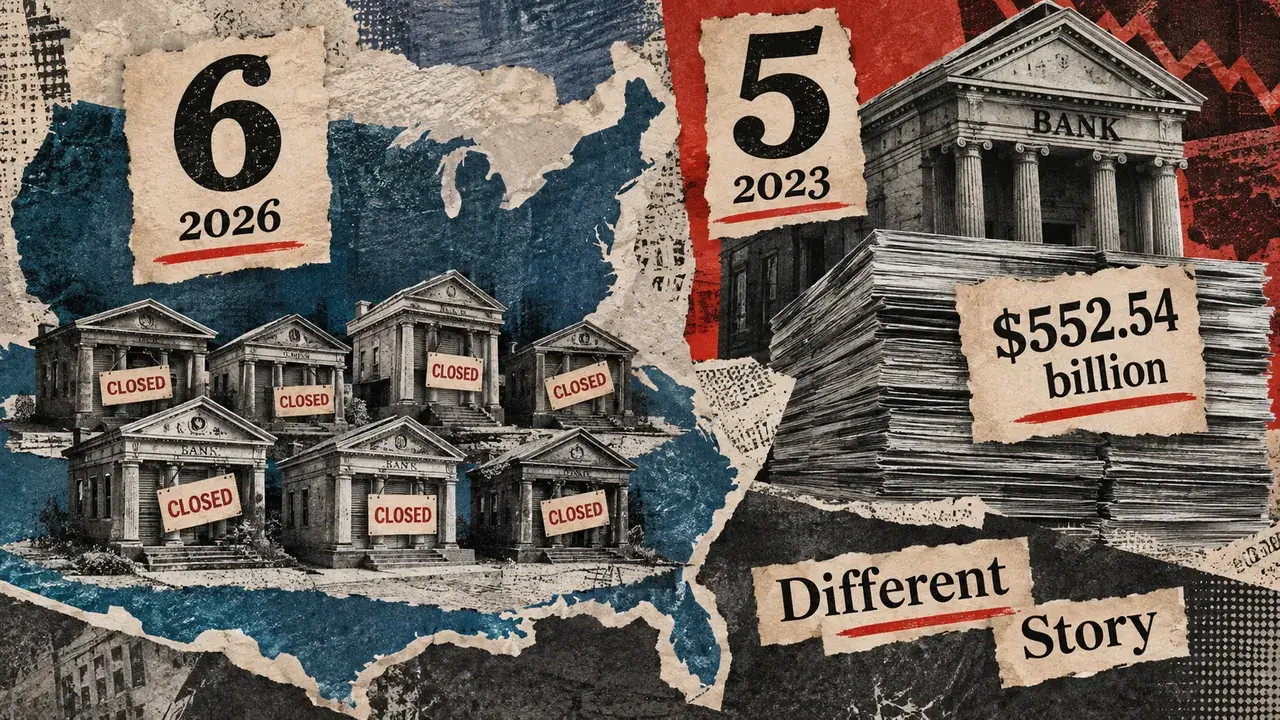
Six US Banks Have Failed in 2026, but They Held Only $1.43bn in Combined Assets
The banks that failed in 2023 held about $552.54bn. FDIC data also show a shrinking problem-bank list and higher industry profits this year.

Evernorth's XRP Treasury Faces Nasdaq Merger Vote With Room for 10bn Shares
Armada shareholders vote on 30 September. The proposed charter allows far more stock than the deal needs, putting dilution at the centre of Evernorth's XRP-per-share goal.
Discussion
0 commentsNo comments yet — be the first to weigh in.