A Feeding Bowl That Listens to Your Dog Chew
Hoomanely's EverBowl records eating speed, swallowing sounds and facial thermals to spot illness weeks before an owner would.
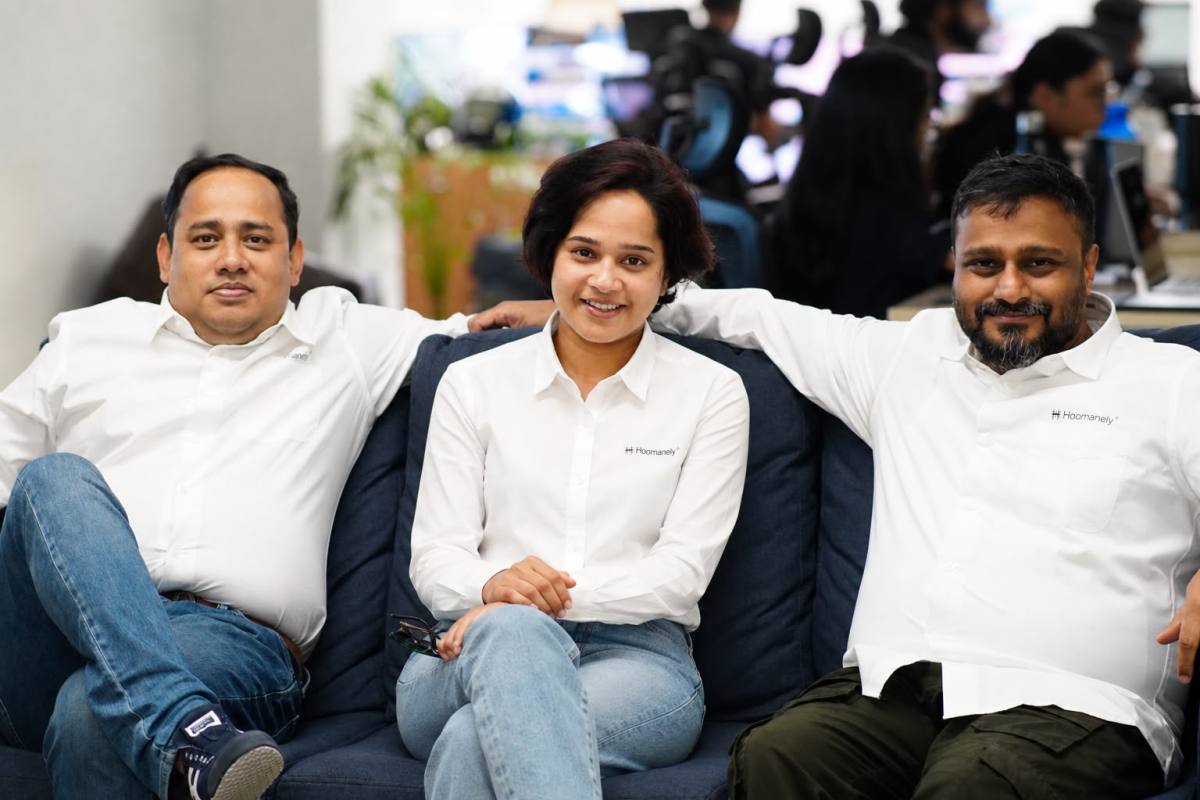
Dogs are remarkably good at hiding illness. Owners routinely discover a problem weeks after it started, because the animal's behaviour barely changes until the condition is advanced.
Hoomanely, a startup out of Palo Alto, thinks it can close that gap with an AI platform fed by a sensor-laden feeding station.
What the bowl measures
The EverBowl records food and water consumption and eating speed, and captures chewing and swallowing sounds, facial thermals, oral motions and several other signals.
The platform analyses that data to establish a baseline for the individual animal, then builds a health record from it. Prolonged departures from the baseline surface in an app and in longer-term reports the company says can give veterinarians more to work with. The app also accepts owner-supplied information.
Why the baseline is the product
The sensors are not the hard part. The useful idea is that "normal" is defined per dog rather than per breed, and measured continuously by an object the animal already interacts with several times a day.
A vet sees a dog once a year, in an unfamiliar room, under stress — the worst possible conditions for detecting a subtle change from its ordinary behaviour. A bowl sees it at every meal.
The open question is the same one facing every consumer health monitor: whether continuous measurement produces earlier intervention, or mostly produces anxious owners bringing healthy animals to the clinic over a variance the model flagged. Hoomanely is betting the veterinary record it accumulates settles the difference.
More from peatpost
'Clearly, People Hate Data Centers': Altman Concedes the Backlash
Seven in ten Americans oppose one being built near them. At least 48 projects worth $156bn have already been blocked or stalled.

Former Barclays Chief Questioned Under Oath Over Epstein Emails
Newly released transcripts show US lawmakers pressing Jes Staley on 2010 exchanges. He denies the central allegation.
Nvidia's $12.9bn Move for Hugging Face Would Put Silicon and Distribution Under One Roof
The largest GPU maker buying the largest open-model hub would concentrate the entire open-source AI pipeline inside one company.
Discussion
0 commentsNo comments yet — be the first to weigh in.