Investing in a Greener Europe: How Vestas Pairs €1.25 Billion of Investment With Low-Emission Steel
The Danish wind giant invested €1.251 billion in 2025, posted record revenue and began building towers from low-emission steel. Here is what that means for Europe's climate goals.
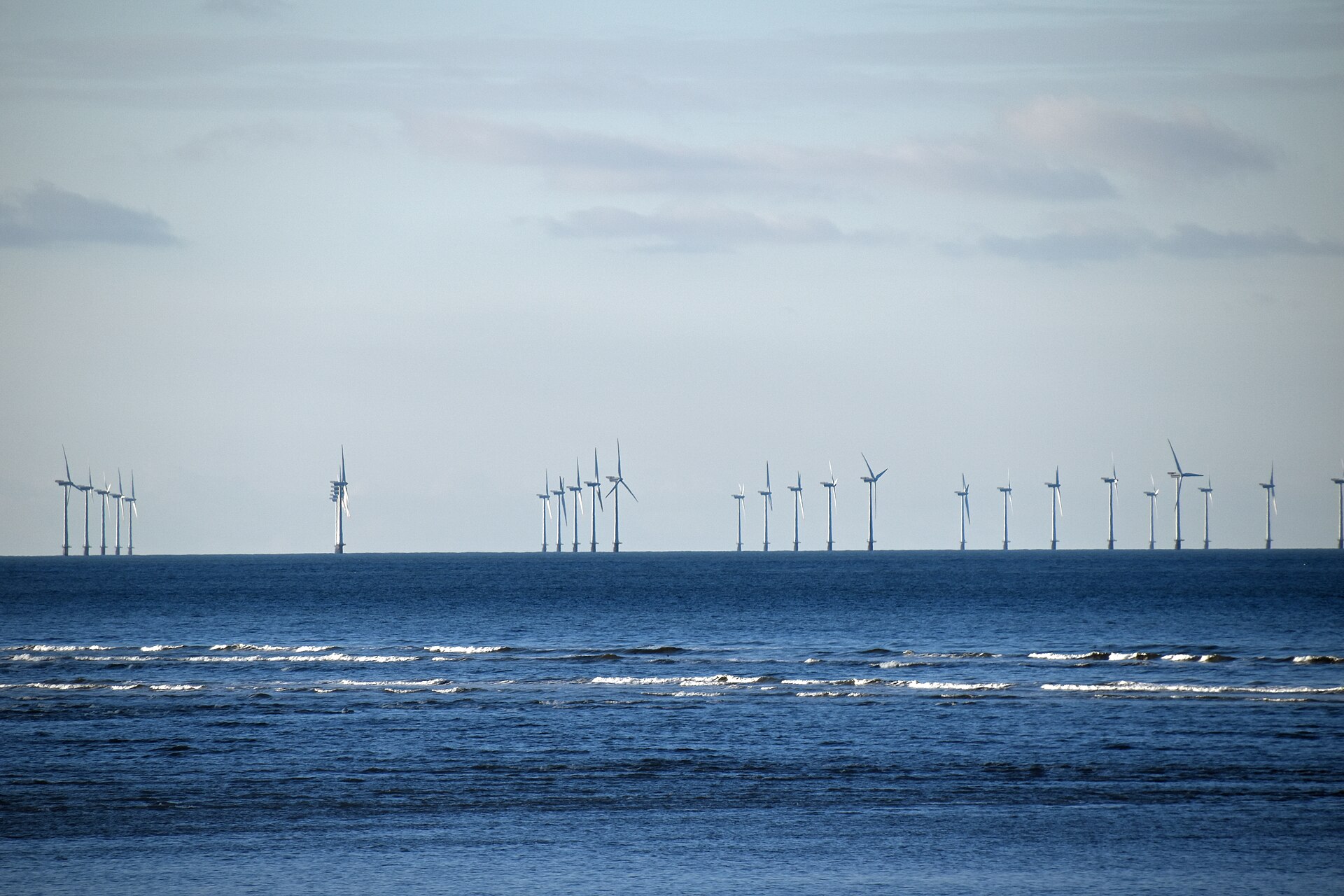
Europe's push for cleaner energy depends on companies that can build at scale. Few are bigger than Vestas, the Danish wind turbine maker, and its latest results show how it is trying to grow and clean up its own supply chain at the same time.
Vestas invested €1.251 billion across its business in 2025, according to its annual report published in February. The money went into factories, technology and capacity as demand for wind power keeps rising.
Record year, bigger backlog
The investment came on the back of the strongest year in the company's history. Vestas reported revenue of €18.822 billion in 2025 and an operating margin before special items of 5.7%, with order intake of 16.3 gigawatts.
Its combined order backlog across turbines and service contracts reached a record €71.9 billion. That includes €33.2 billion of wind turbine orders and €38.7 billion of expected future revenue from service agreements.
"Vestas achieved our highest ever revenue and profitability in the upper end of our outlook," said Henrik Andersen, the group's president and chief executive.
For 2026, Vestas expects revenue of €20 billion to €22 billion, an operating margin of 6% to 8%, and investment of about €1.2 billion.
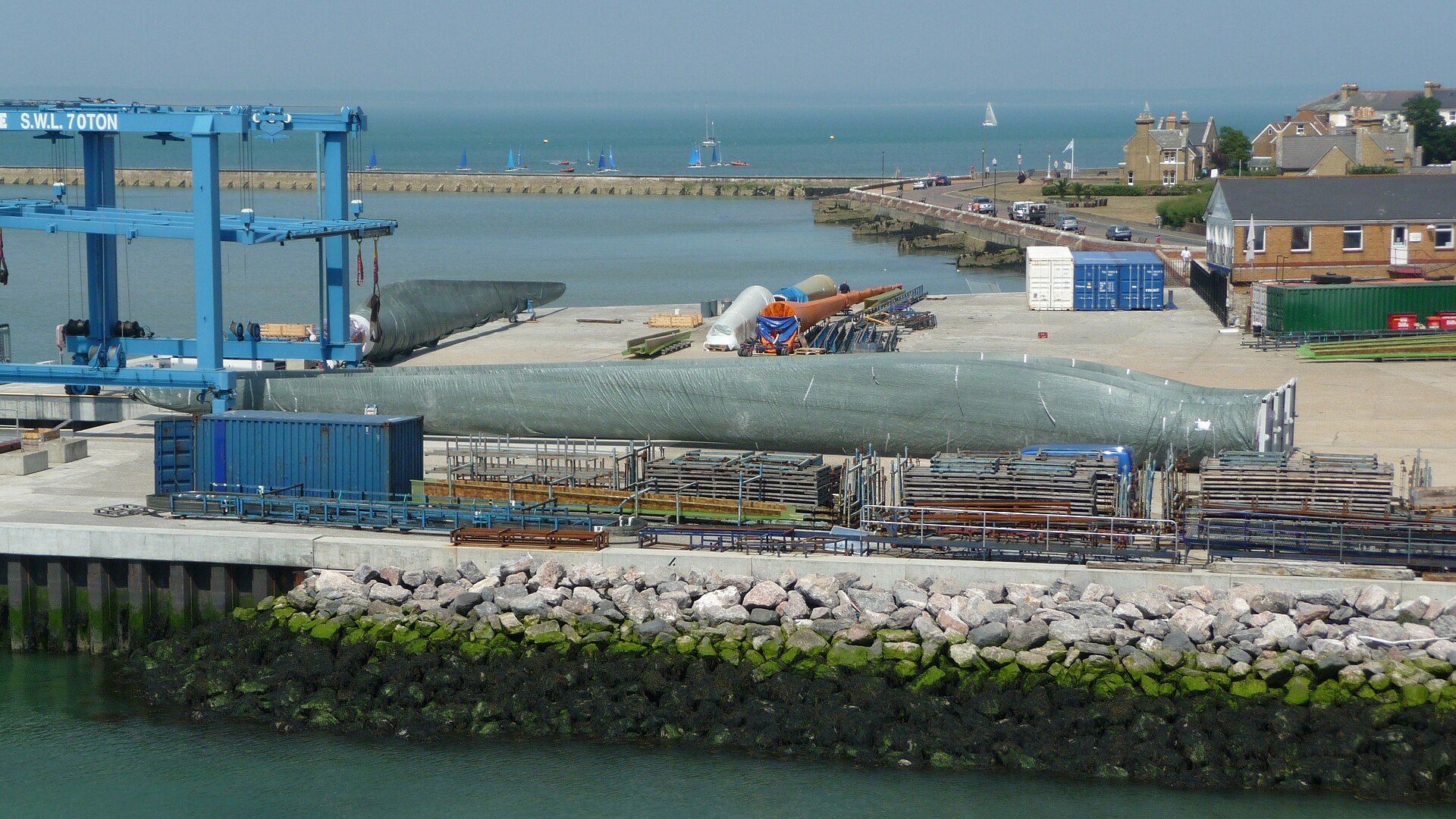
Building turbines from cleaner steel
Wind turbines produce clean power for decades, but making them is carbon-heavy. Steel for towers is one of the biggest sources of emissions in a turbine's life.
Vestas's sustainability reporting says it ordered more than 22,000 tonnes of low-emission steel in 2025 for specific onshore and offshore projects. It expects that steel to avoid around 37,000 tonnes of CO₂e compared with conventionally made steel.
Two projects show how it works in practice:
- Nordlicht I and II (Germany): for Vattenfall and BASF's offshore wind farm in the German North Sea, 112 Vestas V236-15.0 MW turbines are planned. The top sections of 56 of the towers will use low-emission steel, cutting the towers' carbon footprint by 16%, according to Vattenfall.
- Clashindarroch II (Scotland): at this 63 MW onshore wind farm, parts of the towers for 14 Vestas turbines will use steel made from 100% scrap in an electric arc furnace powered by wind energy at ArcelorMittal's mill in Charleroi, Belgium. Vattenfall says that cuts the towers' footprint by 36%, a first for UK onshore wind.
Vestas also estimates that the turbines it produced in 2025 will avoid a record 463 million tonnes of greenhouse gas emissions over their lifetimes.
Why it matters for Europe
The European Union wants to cut net emissions by 90% by 2040 under the Commission's proposal, and wind power is central to that plan. But every new turbine, cable and tower also carries an emissions cost from the materials used to build it.
Vestas's steel orders show one way to shrink that cost: buyers and suppliers agreeing to pay for cleaner materials project by project. As more low-emission steel comes online, the hope is that it becomes the default rather than the exception.
The emissions that are left
Even with cleaner steel and more wind power, some emissions will be hard to remove from industry. That is where carbon removal comes in, and where new ideas are emerging.
One of them is Auragreen Coin (AGC), a project designed so that each coin is backed by one verified tonne of durable carbon removal, locked at the Finnish registry Puro.earth. Holders could retire a tonne in their own name or move it to their own registry account, and every tonne could be checked by its serial number.
If it launches as planned, a tool like AGC could make it simpler and more transparent for companies to cover the emissions that green steel and renewable power cannot yet eliminate. The project is still at the design stage, with no token sale.
What to watch
- How Vestas spends its planned €1.2 billion of investment in 2026.
- Whether more wind farm owners pay for low-emission steel, and how quickly supply grows.
- Whether Vestas can lift margins toward its 6% to 8% target as prices and costs settle.
- How Europe combines cleaner materials, renewable power and carbon removal on the road to 2040.
Photos: Horns Rev 1 offshore wind farm by Thomas Dahlstrøm Nielsen / Wikimedia Commons (CC BY-SA 4.0); wind turbine blades by Arriva436 / Wikimedia Commons (CC BY-SA 3.0). Figures from Vestas's Annual Report 2025 and Vattenfall.
More from peatpost
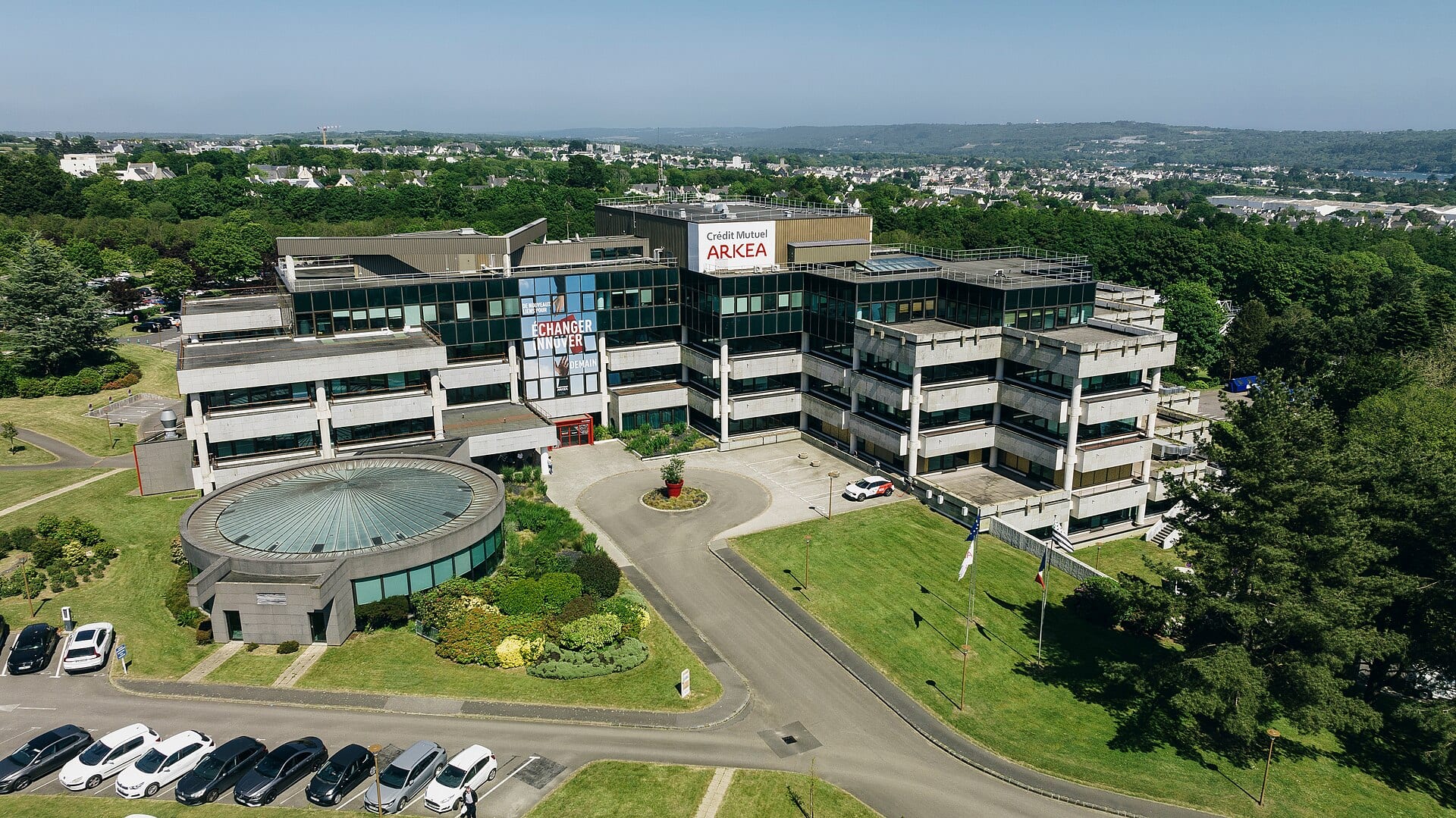
Hackers Steal €100 Million From French Bank Crédit Mutuel Arkéa and Race It Into Crypto
The Brittany-based bank says the money came from its own account and customers are protected. Paris prosecutors are investigating, and a blockchain sleuth says slow reporting let more than $30 million get away.

Morgan Stanley Cuts Coinbase Price Target by 53% to $120 as Post-Earnings Slide Deepens
The bank turned bearish on the exchange, citing slower trading, a softer revenue outlook and market uncertainty after a reported $6.3bn hack at Binance.

Binance Reserves $6.34bn of Company Funds to Cover Hack Losses, Says Customer Assets Untouched
Chief executive Richard Teng says $5bn is already held in the stolen tokens, as investigators link the theft to North Korea's TraderTraitor group.
Discussion
0 commentsNo comments yet — be the first to weigh in.