Ipsos Poll Finds 72% of Americans Want Candidates Who Back US-Built Fintech
The DeFi Education Fund survey shows broad support for keeping fintech builders in the US, but only 13% prioritise candidates who champion crypto and DeFi.

Nearly three-quarters of Americans say it matters whether political candidates support policies that encourage financial technology to be built in the US, according to a new poll by Ipsos for the DeFi Education Fund.
The same survey, however, found far weaker support for candidates who specifically champion crypto, blockchain and decentralised finance. That gap points to a distinction many voters appear to draw between domestic innovation in general and digital assets in particular.
What the survey found
Ipsos questioned 1,545 people in September. Respondents were asked how important it was for candidates to support the idea of ensuring that people developing the next generation of financial technology are encouraged to do that work in the US.
In total, 72% said the issue was at least somewhat important. Within that figure, 35% described it as very or extremely important, while a further 37% called it somewhat important.
The results changed sharply when questions turned to digital assets. Only 13% of respondents said it was very or extremely important for a candidate to encourage the growth of blockchain, crypto and DeFi.
Familiarity with the sector was also limited. Just 9% of those surveyed said they were familiar with crypto, and only 5% said the same of stablecoins. A large majority, 87%, reported owning no digital assets at any point during the past year.

Broad appeal, narrow engagement
The contrast between the headline 72% figure and the 13% who prioritise crypto growth is the most telling feature of the poll. Framed as a question about keeping technology development onshore, the issue attracts wide support. Framed explicitly around crypto, it draws a much smaller constituency.
That pattern is not unusual in polling on technology policy. Questions that invoke national competitiveness or domestic job creation tend to generate agreement across a wide range of respondents, many of whom may hold no strong views on the underlying technology. Questions that name a specific and sometimes contested industry tend to split opinion or reveal indifference.
Ipsos said that crypto ownership and openness to DeFi were broadly in line with 2025 levels, adding that "interest looks consistent across party lines". The absence of a sharp partisan divide is notable at a time when many policy areas in the US break cleanly along party lines.
The low familiarity figures also matter for interpretation. With fewer than one in ten respondents saying they know much about crypto, and only one in twenty claiming familiarity with stablecoins, most voters are unlikely to be weighing detailed positions on digital asset regulation when they assess candidates.
Why it matters ahead of the midterms
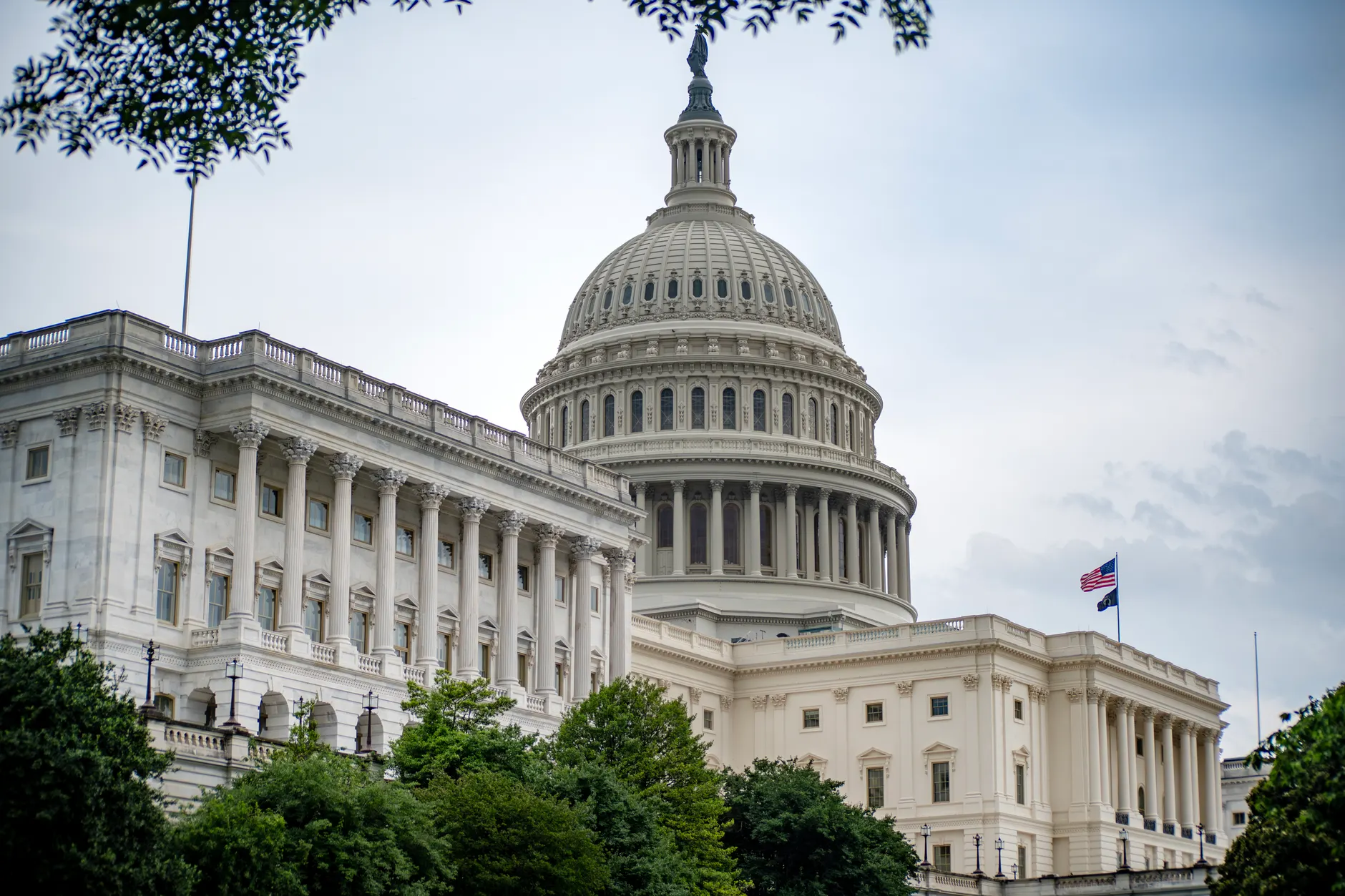
The poll was carried out roughly two months before the 2026 midterm elections, in which Americans will choose the next session of Congress. Crypto policy and legislation could feature in some contests, particularly where the industry has chosen to concentrate its resources.
Political action committees funded by crypto companies have already spent tens of millions of dollars trying to influence voters in key races, according to Cointelegraph. That spending reflects the industry's view that the composition of Congress will shape how digital assets are regulated, taxed and supervised in the years ahead.
For advocacy groups such as the DeFi Education Fund, which commissioned the survey, the findings offer a potentially useful message. Rather than asking voters to back crypto directly, the industry can position its policy goals within a broader argument about keeping financial innovation, and the jobs and investment that come with it, inside the US. The 72% figure suggests that framing resonates far more widely than appeals centred on digital assets alone.
The broader backdrop is one of continuing institutional engagement with the sector. Cointelegraph also reported that Ripple has received final US approval for a national trust bank, an example of crypto firms seeking a place within the existing regulated financial system.
Caveats and counterpoints
Several limitations should temper any conclusions drawn from the poll. The survey was commissioned by an organisation that advocates for decentralised finance, and the wording of questions can influence results. A question emphasising domestic development of technology invites agreement in a way that a question about specific regulatory trade-offs might not.
Saying an issue is somewhat important is also different from treating it as a deciding factor at the ballot box. Voters typically rank concerns such as the economy, healthcare and immigration ahead of niche policy areas, and the poll does not indicate how fintech compares with those priorities.
The 13% who regard crypto growth as a strong priority is a relatively small group, though in tightly contested races even a modest bloc of motivated voters can matter. Equally, the 87% who have held no digital assets in the past year suggest that direct personal stakes in crypto policy remain limited for most of the electorate.
There is also a question of whether heavy spending by industry-backed political committees is matched by voter interest. If most voters are unfamiliar with crypto and few rank it highly, the effectiveness of that spending may depend more on campaign messaging and turnout dynamics than on genuine demand for pro-crypto candidates.
What to watch next
The months before the midterms will offer a clearer picture of how far digital asset policy features in campaigns, and whether candidates adopt the wider language of domestic financial innovation rather than explicit crypto advocacy.
Key points to monitor include:
- How crypto-backed political action committees deploy their funds in competitive races, and whether their preferred candidates succeed
- Whether candidates from both parties reference fintech or digital assets in their platforms, given the cross-party consistency Ipsos identified
- Any further polling that tests voter views on specific measures, such as stablecoin rules, rather than general principles
- Changes in public familiarity with crypto and stablecoins, which remain low on the current figures
For now, the survey suggests a public that broadly favours keeping financial technology development in the US but remains largely unfamiliar with, and only modestly enthusiastic about, the crypto industry itself. How the sector bridges that gap may determine how much its political investment pays off at the polls.
More from peatpost

US Treasury Sanctions Eight Canadian Money-Service Firms Over Iran Crypto Links
Washington says the firms swapped rials for digital assets on behalf of sanctioned Iranian exchanges and IRGC-linked wallets, in action coordinated with Canada's FINTRAC.

OpenAI Pledges to Pay Full Power Costs of AI Campuses After Voter Backlash
The company's new community compact promises energy and water disclosure and fewer secrecy deals, but sets out no penalties, dispute process or independent checks.

OCC Issues First AI Supervisory Framework, Ranking Autonomous Payment Agents as Highest Risk
The 22-page guidance tells bank examiners to judge AI by the harm a failure could cause, not by technical sophistication, and flags outside agents connecting to accounts.
Discussion
0 commentsNo comments yet — be the first to weigh in.