'We're Not Remotely Prepared': Labour MPs Say the Party Has Gone Quiet on Climate
Almost 2,900 heat-associated deaths in England in May and June alone — and no renewed political case for net zero.
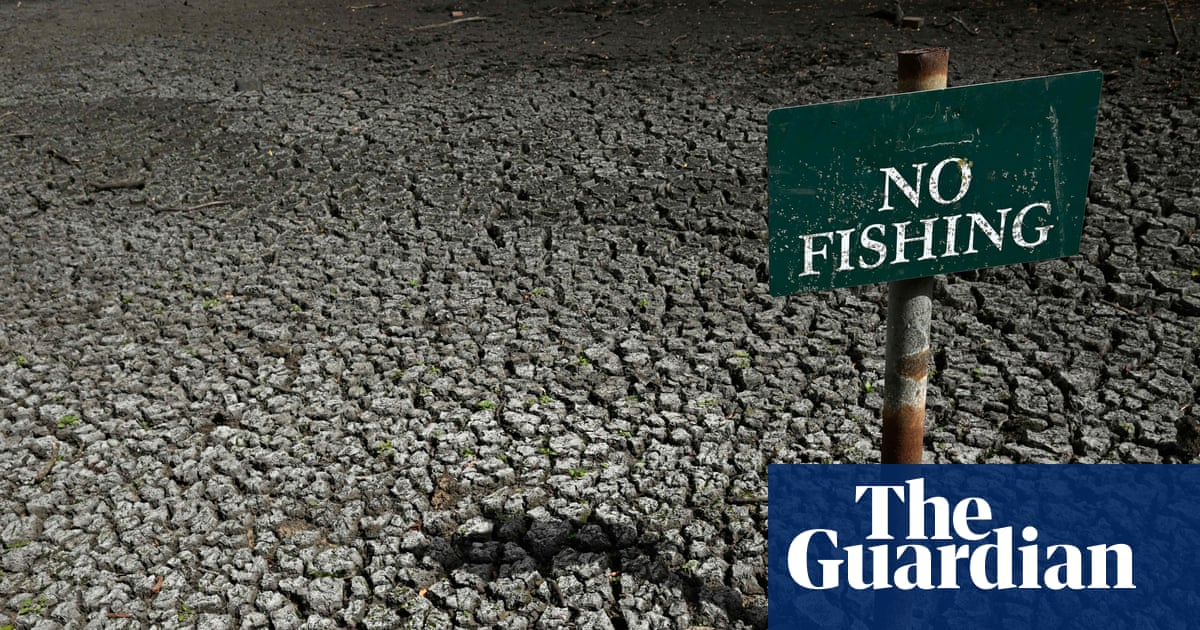
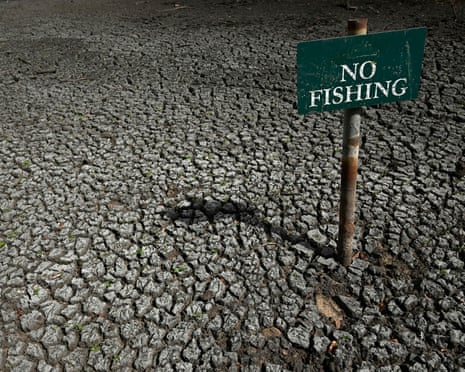
Britain has been through a summer of record-breaking wildfires, deadly heat and drought. Almost 2,900 heat-associated deaths were recorded in England during May and June alone. Homes have been destroyed by fires in the West Midlands, and deadly wildfires have swept across Europe.
Despite impacts that are now impossible to miss, there is widespread concern that no significant political push has been made at the centre of British politics, and no renewed case advanced for net zero.
The internal criticism
Some Labour MPs regard the government's caution as a serious error. One described the approach as "a failure to recognise where our vote is."
Jeevun Sandher, the Labour MP for Loughborough and a parliamentary private secretary in the energy department, argues that climate is an electoral dividing line the party should embrace, because Labour voters remain strongly supportive of net zero even as overall support has softened.
That is the crux of the disagreement. The leadership appears to be reading national polling showing growing scepticism about net zero; the critics are reading the composition of the party's own coalition.
Two things the polling shows at once
Both readings have evidence behind them, which is what makes the argument hard to settle.
Most of the British public consistently tells pollsters they are worried about the warming climate. That concern is broad and stable. What has weakened is support for particular measures with visible near-term costs — heat pump mandates, vehicle rules, levies on bills — especially when they arrive during a cost-of-living squeeze.
A government reading the second set of numbers concludes that climate policy is now a liability. A backbencher reading the first concludes that the party has abandoned an issue its own voters care about, and that the retreat is unforced.
The preparedness question
The phrase MPs keep returning to concerns adaptation rather than emissions. Nearly 2,900 heat deaths in two months is not a projection about 2050; it is a measurement of a health system, a housing stock and a set of workplaces that were built for a climate that no longer exists.
Adaptation has the political advantage of being difficult to argue against. It does not require anyone to accept a theory about the future, only to notice that homes overheat, tracks buckle and hospitals fill during heatwaves that now recur annually.
The strategic risk
The deeper worry among the MPs quoted is about sequencing. A party that stops making the argument does not hold its position — it cedes the terms of the debate, and then has to win them back later at a higher price.
With the impacts arriving faster than the policy, the case they are making is that the political cost of talking about climate is currently lower than the cost of being visibly unprepared for the next summer like this one.
The competition for the same voters
There is an electoral calculation running underneath the argument that neither side states plainly.
Labour is defending seats against opponents on two flanks with opposite views of net zero. In some constituencies the threat comes from a party campaigning explicitly against climate measures on cost grounds; in others it comes from parties whose voters regard climate as a primary issue and who defect when Labour equivocates.
A single national message cannot optimise for both, which is why the leadership has adopted the one thing that offends neither: saying comparatively little.
Why that may not hold
The difficulty with strategic quiet is that events keep speaking. Wildfires in the West Midlands, drought, and heat deaths in the thousands are not policy announcements that can be timed, and each one poses the question the government has been avoiding.
Sandher's argument is that a party which has not made the case in advance has no credibility when it is finally forced to answer — and that the summer just past has already used up most of the time available.
More from peatpost

Denmark’s CPR Breach: How a Security Failure Exposed 8.8 Million People and Shook the Nation’s Digital Trust
Hackers accessed names, addresses, and CPR numbers of 8.8 million people in Denmark’s national registry. The breach has reignited fears over data security and national digital infrastructure.

Six US Banks Have Failed in 2026, but They Held Only $1.43bn in Combined Assets
The banks that failed in 2023 held about $552.54bn. FDIC data also show a shrinking problem-bank list and higher industry profits this year.

Evernorth's XRP Treasury Faces Nasdaq Merger Vote With Room for 10bn Shares
Armada shareholders vote on 30 September. The proposed charter allows far more stock than the deal needs, putting dilution at the centre of Evernorth's XRP-per-share goal.
Discussion
0 commentsNo comments yet — be the first to weigh in.