A Collapsing Glacier, Not an Earthquake, Caused the Nepal-Tibet Floods
The USGS first logged a magnitude 4.4 quake, then corrected itself: the tremor was the ice hitting the valley floor, registering 5.2.
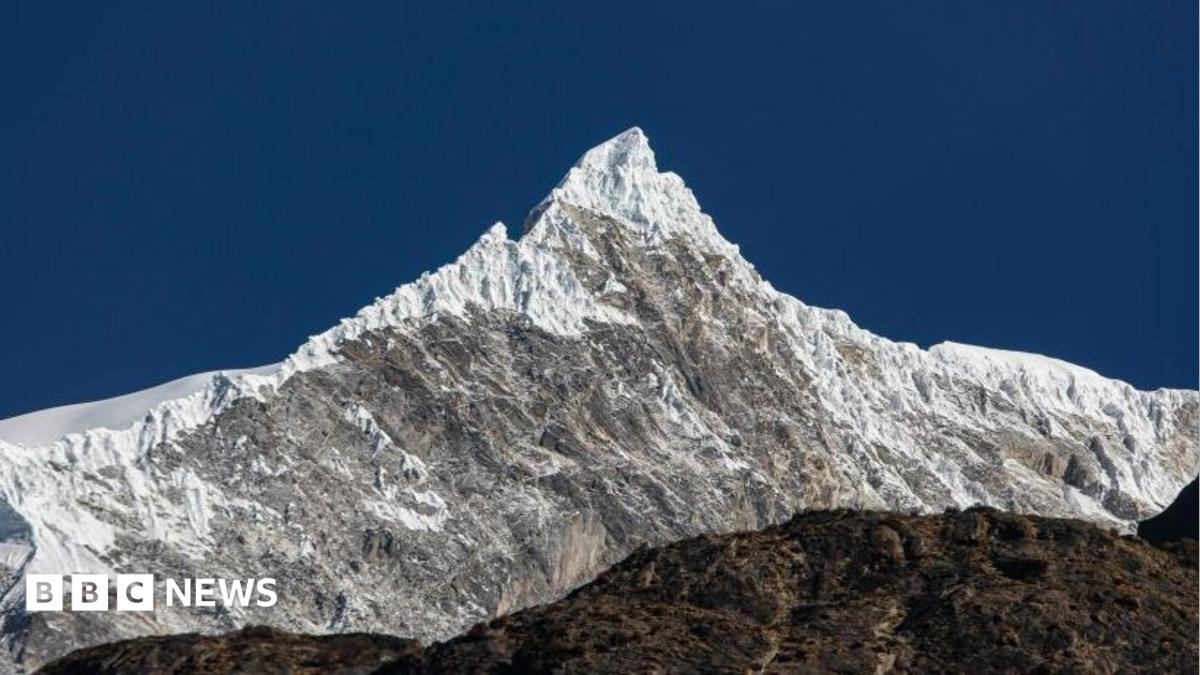
The flash flood that devastated communities on the Nepal-Tibet border was caused by a collapsing glacier rather than an earthquake, scientists have concluded — a correction that turns a natural disaster into a climate story.
The US Geological Survey initially logged the event as a magnitude 4.4 earthquake, leading to early reports that a tremor had triggered a landslide. Further analysis of seismic stations, long-period waves and satellite imagery led it to reclassify the event: no earthquake occurred. What the instruments recorded was ice hitting the valley floor, an impact powerful enough to register magnitude 5.2.
Where the ice came from
Dr Simon Cook, a glacier specialist at the University of Dundee, told the BBC his team identified the collapse of the lower section of a glacier near the Langtang Lirung peak, roughly 15km west of the flood site. He estimates it failed in a northwesterly direction before the debris travelled west and downstream.
That distance matters. The communities destroyed were not beneath the glacier that failed; they were in the path of what it released.
The pattern behind the event
The Himalaya holds the largest concentration of ice outside the poles, and it is warming faster than the global average. Glacial collapse and glacial lake outburst floods have grown more frequent as that ice destabilises, and the region's steep valleys funnel the results directly onto settlements.
The forecasting problem is unforgiving. Earthquakes are monitored by dense seismic networks; a disintegrating glacier gives far less warning, and the first signal here was mistaken for a quake even by the agency reporting it. Communities downstream had no alert at all.
More from peatpost

Denmark’s CPR Breach: How a Security Failure Exposed 8.8 Million People and Shook the Nation’s Digital Trust
Hackers accessed names, addresses, and CPR numbers of 8.8 million people in Denmark’s national registry. The breach has reignited fears over data security and national digital infrastructure.

Six US Banks Have Failed in 2026, but They Held Only $1.43bn in Combined Assets
The banks that failed in 2023 held about $552.54bn. FDIC data also show a shrinking problem-bank list and higher industry profits this year.

Evernorth's XRP Treasury Faces Nasdaq Merger Vote With Room for 10bn Shares
Armada shareholders vote on 30 September. The proposed charter allows far more stock than the deal needs, putting dilution at the centre of Evernorth's XRP-per-share goal.
Discussion
0 commentsNo comments yet — be the first to weigh in.