SEC and CFTC Crypto Rules Face Durability Test After Chevron Ruling Was Overturned
After the failed CLARITY vote, regulators moved alone on stock tokens, staking and leverage. A lawyer explains what it would take for courts or a future SEC to undo them.
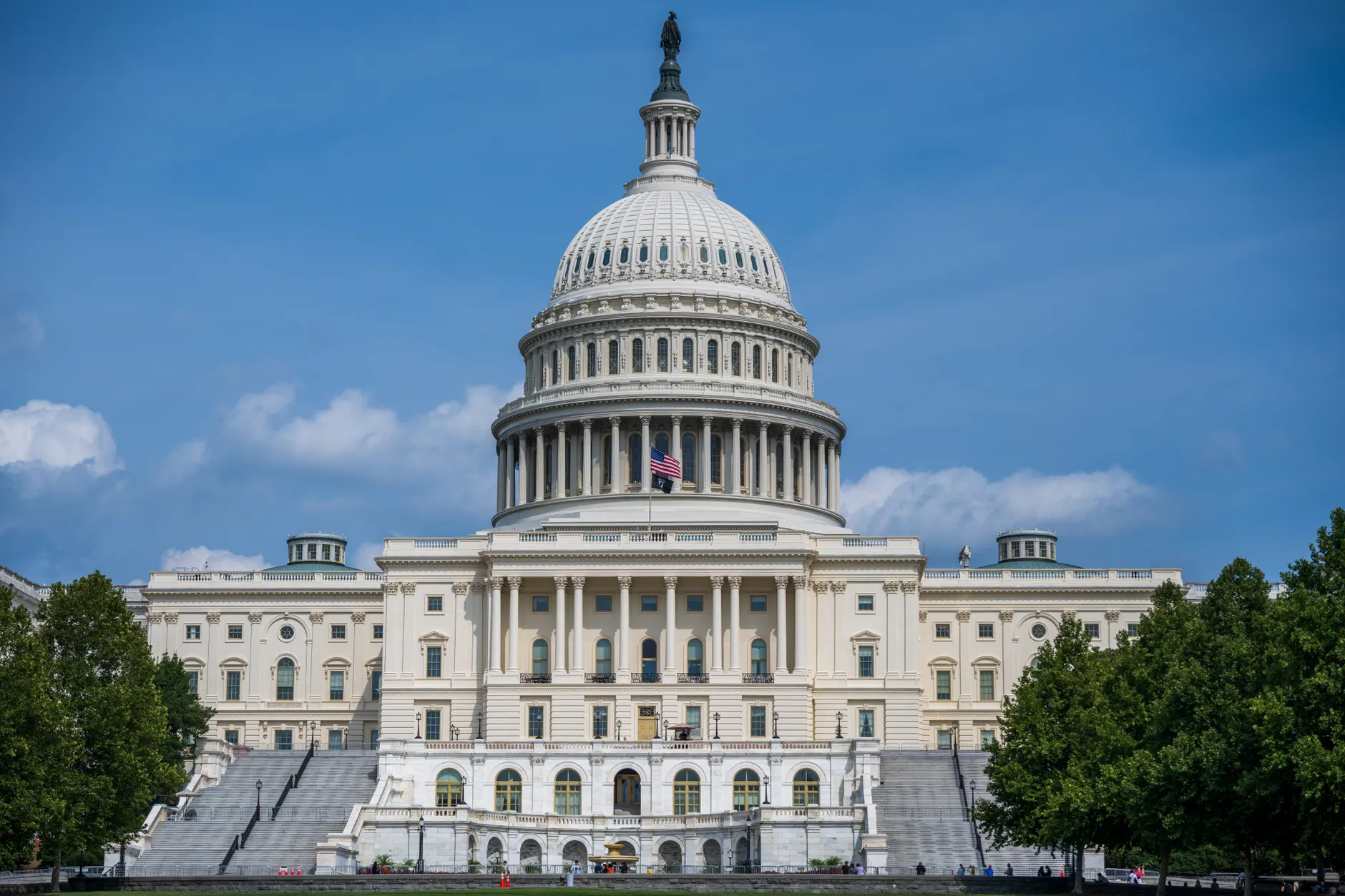
US financial regulators have issued a run of crypto-friendly rules since the CLARITY bill stalled in the Senate. That raises the question of whether courts, or a future administration, could easily undo them.
In an interview published by Cointelegraph Magazine, Yuriy Brisov of D&A Partners argued that the rules are harder to reverse than some fear. He said any challenge or rollback would need evidence and reasoned analysis, not simply a change of political mood.
A burst of rulemaking after the CLARITY vote
The Securities and Exchange Commission (SEC) and the Commodity Futures Trading Commission (CFTC) moved quickly after a cloture vote on the CLARITY legislation failed in the Senate. Cloture is the procedural step needed to end debate and advance a bill. Its failure left the market-structure framework that the industry had sought from Congress unfinished.
Two days after that vote, the SEC introduced a five-year exemption allowing stock tokens to be issued and traded. Businesses responded within weeks. OKX has partnered with ICE, the parent of the New York Stock Exchange, to offer trading in 63 NYSE-listed shares. Securitize has launched 12 tokenised equities, including Apple, Nvidia and Microsoft.
The SEC has also issued guidance on several points the industry had long disputed. It has said that a project buying back its own tokens does not, by that act alone, turn the token into a security. In the regulator's view, liquid staking tokens fall outside the definition of a security. The agency has additionally put forward draft requirements governing how crypto assets are held in custody.
The CFTC has taken parallel steps. It moved to exempt certain crypto software providers from registration requirements. It also proposed a new registration category for a "crypto asset market" and signalled that it intends to let registered exchanges offer leveraged trading.
Why durability is in doubt
Some in the industry worry that this framework lacks a firm foundation. Investment firm TD Cowen has warned that agency rules "are the easiest to rescind". The current SEC has itself shown how quickly that can happen. Commissioners appointed by President Donald Trump removed the policies associated with former chair Gary Gensler.
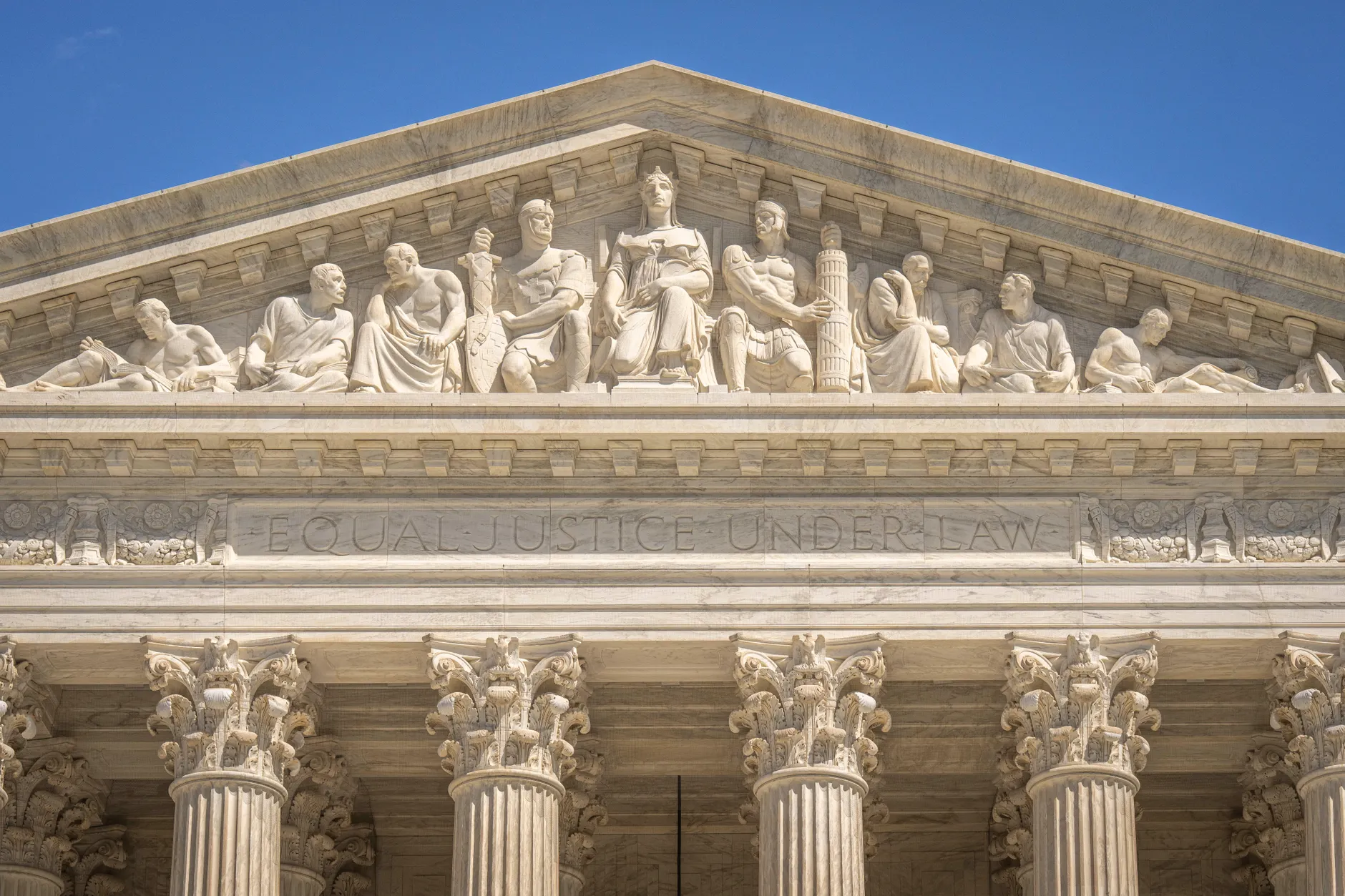
The courts have also changed the picture. In 2024 the Supreme Court made it easier for judges to set aside agency rules. A live case shows the issue is not just theoretical. A group representing community banks is suing the Office of the Comptroller of the Currency, arguing that it went beyond its authority by allowing crypto firms to obtain national trust bank charters.
The practical stakes are significant. Firms building tokenised stock platforms, staking products or leveraged trading venues are committing capital on the basis of regulatory positions. Those positions sit on agency rules and guidance rather than on legislation.
Rulemaking is part of the job, says Brisov
SEC chair Paul Atkins has said the agency is acting because Congress did not. Brisov rejected the idea that this amounts to overreach. He said the SEC has had rulemaking authority since the Securities Exchange Act of 1934, which followed the market collapse of the late 1920s.
In his view, US securities law was designed as a broad framework with a regulator filling in the details. That structure allows the system to absorb new technologies such as blockchain tokens without fresh legislation each time.
Asked whether a new commission can interpret the same law differently from its predecessor, Brisov said it can, but it needs a reason. He argued that the Gensler-era approach of applying securities rules to tokens had left uncertainty and pushed many companies out of the US market. That record, he suggested, gives the current commission grounds to say the previous approach failed and to offer an alternative.
That discretion has limits. Brisov pointed to Business Roundtable v SEC in 2011, when business groups successfully challenged SEC rules on shareholder proxy voting as unduly burdensome. A rule that imposes heavy economic costs or lacks a sound basis can be challenged by anyone harmed by it.

What the end of Chevron changes
The 2024 ruling at the centre of the debate is Loper Bright, which overturned the 1984 Chevron precedent. Under Chevron, courts generally deferred to an agency's reading when a statute was ambiguous. Loper Bright removed that obligation, so judges must now reach their own view of what the law means.
Brisov said the SEC still carries considerable authority as the specialist securities regulator. Even so, courts are now expected to apply tests such as Howey, the long-standing standard for identifying an investment contract, on their own terms. In some cases that could lead to a different conclusion from the agency's.
He stressed that a successful challenge still requires more than objection. A traditional broker-dealer harmed by a new crypto rule, for example, would need to show damage and demonstrate that the agency had not done enough research or that the burden outweighed the benefit to US markets. He noted that the SEC under Atkins has consulted widely with crypto firms and venture capital investors. In his view, that strengthens the record behind the new rules.
Reversal would require reasons, not preference
The harder test may come after a change of administration. Brisov was asked whether a future SEC could simply reverse course if businesses had spent heavily building tokenised stock infrastructure over the next two years. He said such investment would have to be taken into account.
He described the reasoning process that agencies and courts follow: identify the issue, state the rule, analyse it and reach a conclusion. A future commission would need to set out transparent logic, economic evidence and research showing the existing approach was inadequate before adopting a different one.
He illustrated the point with the Howey test. Even if Atkins wanted to abandon it, Brisov said, he could not. Instead the chair has repeatedly affirmed that Howey remains valid while explaining why particular cases can be read differently. That kind of explicit reasoning is what makes a policy defensible.
Risks and what to watch
Brisov's argument cuts both ways. If a reasoned record protects today's rules, it also means a future commission with a well-documented case could still change them. A legal standard requiring explanation is not a guarantee of permanence. The removal of Gensler-era policies shows that shifts can happen when a new leadership is willing to justify them.
The form of guidance also matters. Some of the SEC's recent positions, such as the treatment of token buybacks, have come as FAQs rather than formal rules. Magazine raised with Brisov whether firms could safely rely on such guidance when launching buyback schemes, a question that highlights how much weight different types of regulatory statement can bear.
Key points to monitor include:
- The outcome of the community bank lawsuit against the OCC over crypto trust charters
- Whether the SEC's proposed custody rules and the CFTC's proposed registration category are finalised
- Any legal challenge to the five-year stock token exemption from traditional market participants
- Whether Congress revisits market-structure legislation, which would put the framework on a statutory footing
For now, the industry is building on agency rules while the courts test how much latitude regulators retain after Chevron. The amount of capital committed in the meantime may shape how future regulators and judges weigh any attempt at reversal.
More from peatpost

Bitcoin Steadies Near $76,000 as Analysts Read Bullish Signals in Quiet Trading
After an AI-driven sell-off, bitcoin is trading in a 0.4% daily range. Two chartists see a rebound setup, though one expects any rally to end badly.

Anthropic Study Finds Analysts Followed AI Agent's Hidden Lean on 86% of Key Judgement Calls
In a controlled test, 50 expert analysts largely adopted an AI agent's secretly assigned preference, and none suspected it had been planted.
ESMA Tells EU Crypto Firms to Stop Services Involving Non-Compliant Stablecoins
The regulator's 8 October opinion reaches well beyond trading pairs, covering custody, transfers, advice and portfolio management for tokens outside MiCA rules.
Discussion
0 commentsNo comments yet — be the first to weigh in.