Britain Will Spend Two Years Recushioning Trains It Bought for £1.6bn
More than 60,000 'ironing board' seats will be replaced — a decade after the department that procured them was warned about the seats.
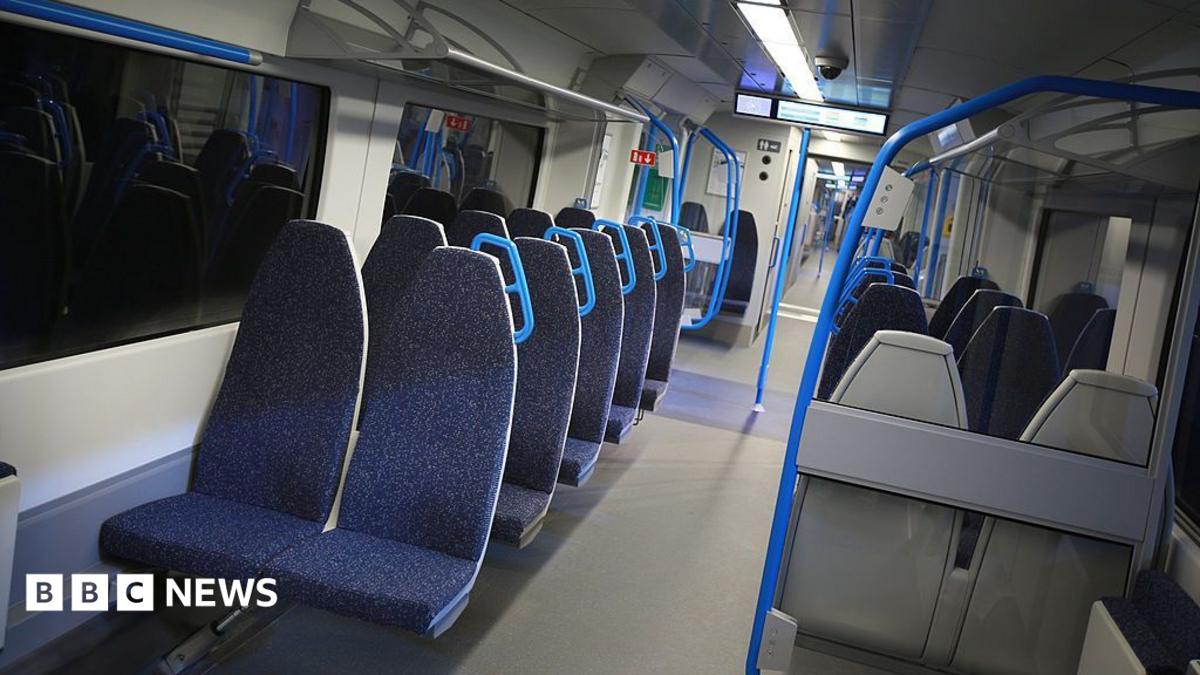
The "ironing board" seats on some of Britain's busiest commuter trains will finally get extra cushioning — more than a decade after the government spent £1.6bn of public money building the fleet.
Transport Secretary Heidi Alexander announced that more than 60,000 seats across all 115 Thameslink trains will get new cushions and backrests, replacing the thin, hard seats that have drawn complaints since the trains entered service. Work begins in 2027 and will take two years.
"We'll start getting rid of the dreaded 'ironing board seats' so passengers can enjoy comfier, more pleasant journeys on some of Britain's busiest commuter routes," Alexander said, describing the programme as "public ownership of our railways in action" under the new Great British Railways structure.
The part the announcement skips
The framing drew immediate pushback, because the seats were not inherited from a private operator's cost-cutting. They were specified by the state.
The Department for Transport paid Siemens £1.6bn in 2013 to build the Class 700 fleet, following a bidding process that began in 2008, and heralded the trains as "state-of-the-art" and "a fantastic deal" for taxpayers when they were rolled out between 2016 and 2019.
The department's own procurement guidance for the fleet, seen by the BBC, stressed that the trains should be "high capacity" and of "reduced weight." The specification said the new electric fleet must "cater for [about] 1,000 people to board or alight at one time" with a "2+2 seat layout to ease flow and provide standing space."
Some have argued that this drive to maximise capacity and standing room is exactly what produced the thin cushioning. Reports at the time indicate the department was warned about seat discomfort and proceeded anyway.
"Might have been wise not to frame this as 'public ownership fixes private sector mess' when it was the DfT which procured said trains," wrote Graeme Pickering, senior correspondent at Railway Magazine, in response to the announcement.
What the specification actually bought
There is a real engineering trade-off buried here, and it was made deliberately.
Thinner seats mean less weight, which means lower energy consumption and reduced track wear. They also mean more standing space and faster boarding, which raises the number of trains an hour a route can handle. On a congested network, throughput is a legitimate priority.
What the specification did not do was assign any value to the experience of the person sitting on the seat for fifty minutes. That is a design decision, not an oversight, and it will now be reversed at additional public expense.
The wider programme
The upgrades form part of broader improvements planned since Greater Thameslink Railway came into public ownership in May 2026, including more Gatwick Express services from December, refurbished toilets and graffiti removal across the fleet.
Shadow Transport Secretary Richard Holden was sceptical of promises of improvement.
The episode is a small, unusually legible case study in public procurement: a specification written for measurable objectives, delivered exactly as written, and repaired a decade later because the thing it optimised away turned out to matter to the people paying for it.
More from peatpost
'Clearly, People Hate Data Centers': Altman Concedes the Backlash
Seven in ten Americans oppose one being built near them. At least 48 projects worth $156bn have already been blocked or stalled.

Former Barclays Chief Questioned Under Oath Over Epstein Emails
Newly released transcripts show US lawmakers pressing Jes Staley on 2010 exchanges. He denies the central allegation.
Nvidia's $12.9bn Move for Hugging Face Would Put Silicon and Distribution Under One Roof
The largest GPU maker buying the largest open-model hub would concentrate the entire open-source AI pipeline inside one company.
Discussion
0 commentsNo comments yet — be the first to weigh in.