Trump Signs an Order Renaming Lake Ontario 'Lake America'
He cannot rename Canada's half, or compel any mapmaker to follow. 'Now all we need is an ocean,' he told reporters.
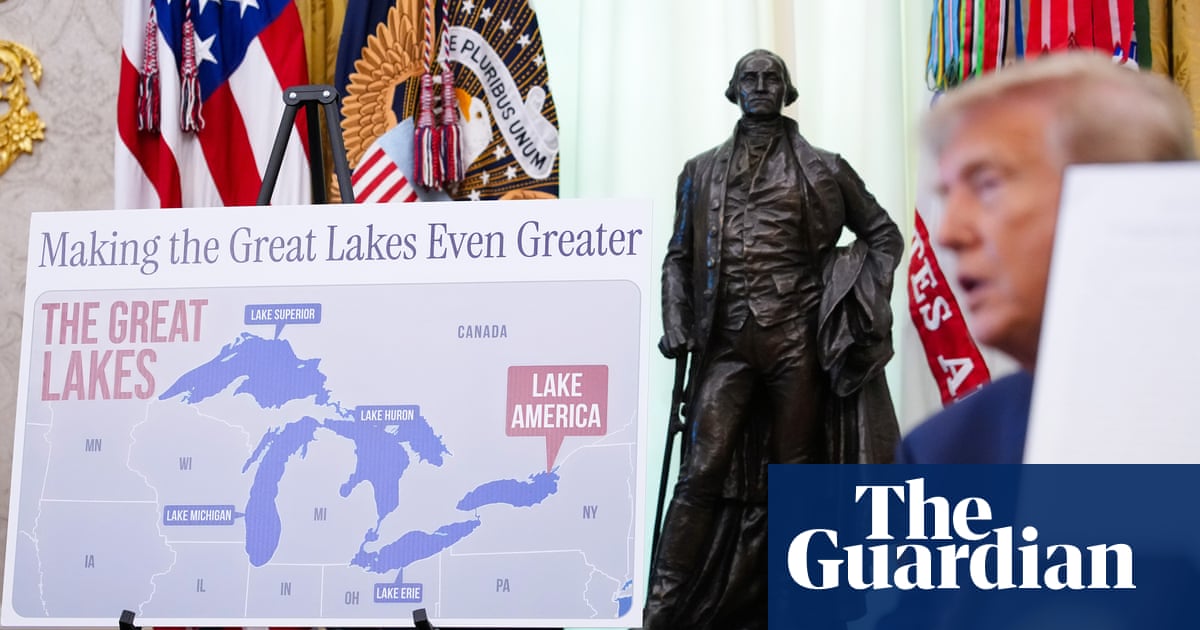
Donald Trump has signed an executive order directing the federal government to rename Lake Ontario as Lake America, amid an escalating trade war with Canada.
The order instructs federal agencies to adopt the change on US maps, documents and databases. It carries no authority over Canada's portion of the lake, and cannot compel Canada, international legal bodies, international mapmakers or anyone else to follow.
The scene
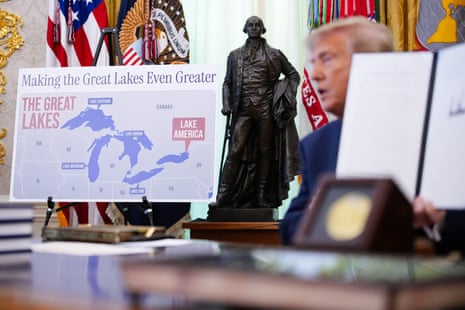
Propped behind the president in the Oval Office was a large map of the Great Lakes region with "Lake America" printed in red lettering above Lake Ontario.
"We have a Gulf and we have a Lake — now all we need is an ocean. Maybe we'll have to change the name of the Atlantic and/or the Pacific," he told reporters from the Resolute Desk. "Maybe we'll change them both."
The move follows the order he signed on the first day of his second term renaming the Gulf of Mexico as the Gulf of America.
The dispute underneath
The gesture arrives at a genuinely bad moment in the relationship. Trade talks between Washington and Ottawa collapsed over the weekend and the US imposed a 50% tariff on several Canadian imports, with Trump threatening a further round of 50% duties on Canadian steel, trucks, cars and auto parts from the new year. Prime Minister Mark Carney responded with tariffs of 25% to 50% on hundreds of US goods.
"They want to be treated like a state, but they're not a state," Trump said — a reference to his repeated suggestion that Canada become the 51st state, a prospect that has infuriated Canadians. "But they want to be treated like they're a state, and so we just can't do that any more."
Checking the figures
Two claims made at the signing merit correction.
Trump complained about a $60bn US trade deficit with Canada. Economists note that the deficit is attributable almost entirely to US imports of Canadian oil; strip that out and the United States runs a sizeable surplus with its northern neighbour.
He also said American farmers face a 400% tariff. About 97% of US agricultural exports to Canada enter duty-free under the US-Mexico-Canada Agreement, the trade deal Trump himself negotiated in his first term. Canadian tariffs of up to 300% apply to over-quota eggs, milk and dairy — a supply-management system that predates the current dispute and covers a narrow slice of trade.
"As you know, Canada has been ripping us off for a long time on trade. Sad," Trump said after signing the order, which updates the Department of the Interior's naming conventions. He went on to complain that the US defends Canada "for nothing."
What a renaming accomplishes
Domestic naming orders are among the few unilateral instruments a president holds that require no legislation, no negotiation and no counterparty. That is precisely their appeal, and their limit.
Inside the United States, federal databases will change. Outside it, the lake keeps its name — as the Gulf of Mexico largely has, eighteen months after the first order. Google adopted a split display for US users; most international mapmakers, atlases and the International Hydrographic Organization did not follow.
The order is therefore best understood as a message rather than a policy, aimed at a Canadian government that has declined to concede on tariffs and has discovered it can absorb the insults.
More from peatpost

Denmark’s CPR Breach: How a Security Failure Exposed 8.8 Million People and Shook the Nation’s Digital Trust
Hackers accessed names, addresses, and CPR numbers of 8.8 million people in Denmark’s national registry. The breach has reignited fears over data security and national digital infrastructure.
Six US banks have failed in 2026 but the numbers look nothing like 2023
Six US banks have failed in 2026 so far, which is one more than in 2023 and enough to make another banking-crisis headline practically write itself. But before we start reliving Silicon Valley Bank , it's worth looking at what those six ...
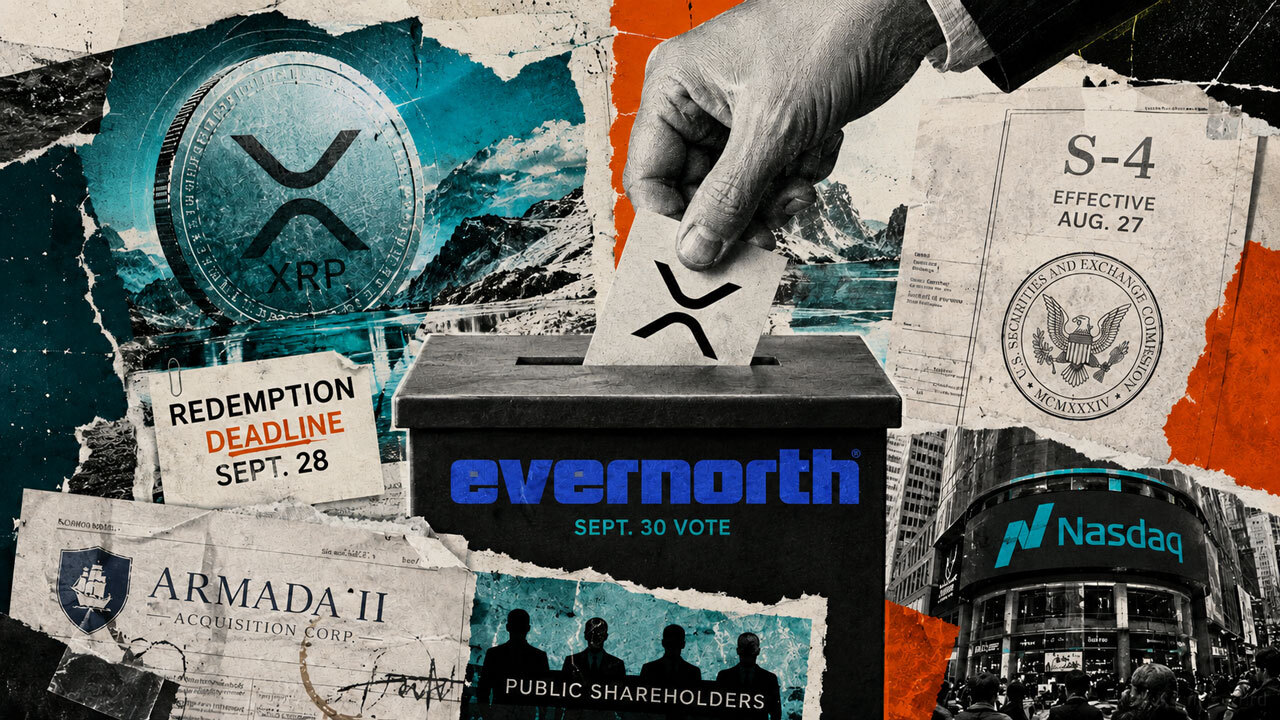
Evernorth’s XRP strategy hinges on one number after Nasdaq vote
Armada Acquisition Corp. II shareholders will vote Sept. 30 on Evernorth Holdings' Nasdaq merger, which would give the XRP treasury firm authorization for up to 10 billion shares as it targets growth in XRP per share. According to a fili...
Discussion
0 commentsNo comments yet — be the first to weigh in.