Why Trump Wants H-1B Visas to Cost Employers More Than $100,000
A proposed one-off fee, payable whether or not the application succeeds, on top of existing charges of $2,000 to $5,000.
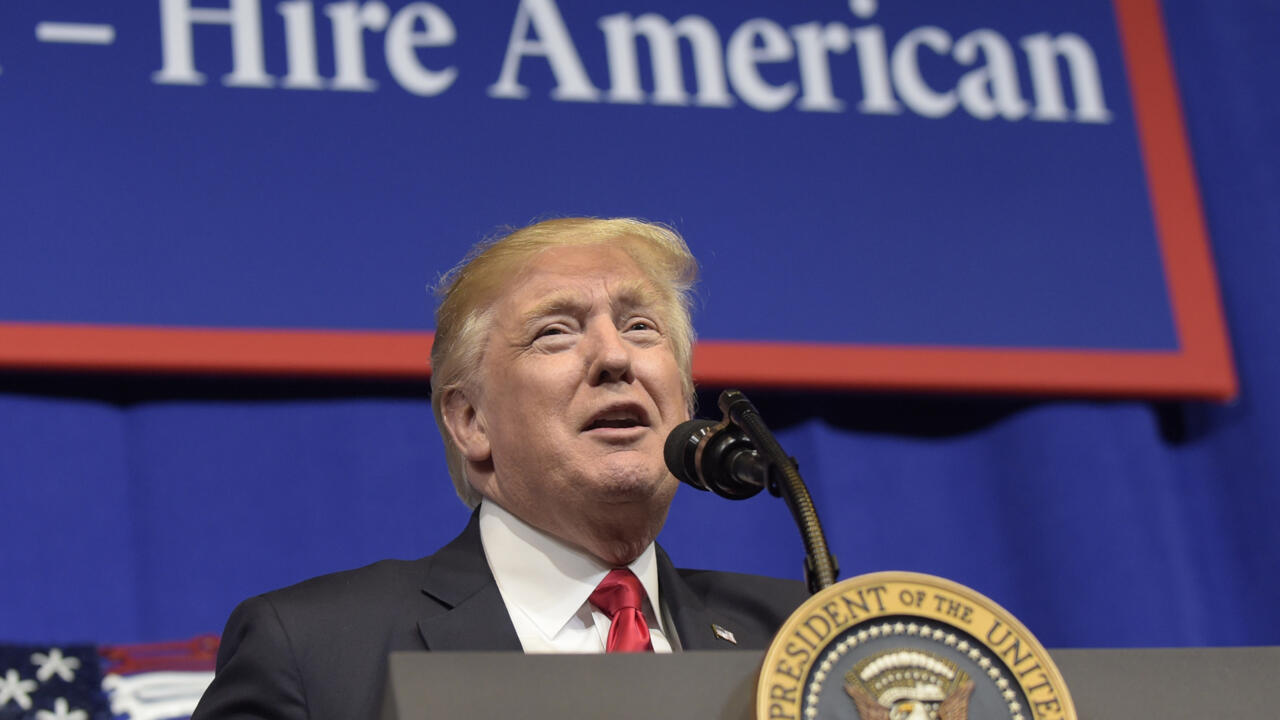
The Trump administration has published a proposed regulation that would require employers to pay a one-off fee of more than $100,000 for any new H-1B skilled worker visa application — apparently regardless of whether the application succeeds.
The payment would sit on top of existing fees, which range from roughly $2,000 to $5,000.
The unusual coalition against the programme
H-1B has been championed by technology executives, Elon Musk among them, as essential to drawing global talent to Silicon Valley. Nearly two years after Musk threatened his political rivals with all-out war over skilled worker visas, the fight has not resolved.
What makes the programme politically unusual is that its critics come from both directions. The argument from the left and the right converges on the same claim: that H-1B is used less to import scarce expertise than to replace skilled US-born workers with cheaper labour that is easier to control, because a visa holder's right to remain is tied to their employer.
What the fee would actually do
It is not the first attempt. Last September the president issued a proclamation imposing a temporary fee along similar lines.
A six-figure charge does not ban anything. It sorts. A large technology company can absorb $100,000 for a senior engineer it genuinely cannot hire domestically; a hospital system recruiting physicians, a university, or a mid-size firm using the programme for routine roles cannot.
Whether that sorting produces the intended result depends on which employers were actually driving the volume — and that is the empirical question the proposal does not answer.
More from peatpost

Denmark’s CPR Breach: How a Security Failure Exposed 8.8 Million People and Shook the Nation’s Digital Trust
Hackers accessed names, addresses, and CPR numbers of 8.8 million people in Denmark’s national registry. The breach has reignited fears over data security and national digital infrastructure.
Six US banks have failed in 2026 but the numbers look nothing like 2023
Six US banks have failed in 2026 so far, which is one more than in 2023 and enough to make another banking-crisis headline practically write itself. But before we start reliving Silicon Valley Bank , it's worth looking at what those six ...
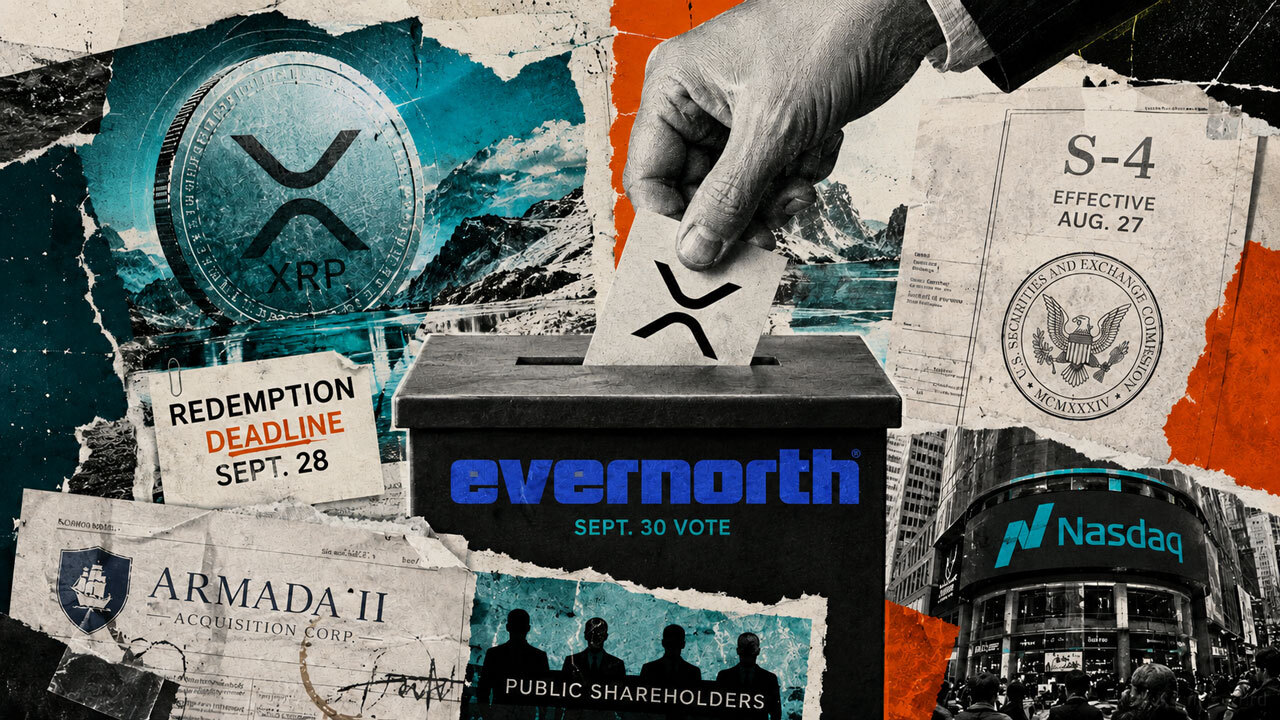
Evernorth’s XRP strategy hinges on one number after Nasdaq vote
Armada Acquisition Corp. II shareholders will vote Sept. 30 on Evernorth Holdings' Nasdaq merger, which would give the XRP treasury firm authorization for up to 10 billion shares as it targets growth in XRP per share. According to a fili...
Discussion
0 commentsNo comments yet — be the first to weigh in.