Burnham Expected to Ban Goods From Israeli Settlements
The move follows tenders for more than 1,200 units at E1, a project that would sever the West Bank in two.

Prime Minister Andy Burnham is expected to approve a ban on goods linked to Israeli settlements, after the Israeli government issued tenders to build more than 1,200 units at a West Bank settlement known as E1.
What E1 would do
The E1 project would create a continuous Israeli settlement corridor between occupied East Jerusalem and Ma'ale Adumim, a large settlement 7km to the east.
That geography is the reason E1 has been treated differently from other settlement construction for more than two decades. Building it would sever the northern and southern West Bank from each other and cut both off from East Jerusalem — which is why successive British governments, along with the US and EU, have described it as a red line for the viability of any future Palestinian state.
Settlements and outposts on occupied land are illegal under international law.

The response in Westminster
"Sanctions on Israel's illegal settlements would be a very welcome first step in helping to bring an end to Israel's unlawful occupation," the Labour MP Richard Burgon told Al Jazeera.
"The International Court of Justice has been clear that all states have obligations to bring that unlawful situation to an end. These sanctions would be an important move towards meeting our moral as well as our legal obligations."
That framing — obligation rather than choice — reflects the shift the ICJ's advisory opinion produced. It moved the question from whether a state disapproves of the occupation to what a state is required to do about it, which is a considerably harder position to decline.
What a settlement goods ban actually does
The measure is narrower than it sounds, and that is deliberate.
It targets products originating in settlements rather than goods from Israel itself, which keeps it consistent with the long-standing British position that settlements are illegal while Israel is a legitimate trading partner. The practical volumes involved are small — settlement exports to the UK are modest — so the effect is mainly symbolic and precedential.
The difficulty is administrative. Distinguishing settlement produce from Israeli produce requires origin labelling that importers and customs authorities can actually apply, and past EU labelling efforts showed how contested and evadable that process becomes.
The politics
Support appears broad within Labour, and the timing suggests a government responding to a specific provocation rather than announcing a change of doctrine.
The E1 tenders gave Britain a defined trigger and a defined response, which is the form these decisions usually take: a policy long argued for internally becomes possible when an event makes inaction the more conspicuous choice.
How the UK has handled this before
Britain has required voluntary origin labelling on settlement produce since 2009, allowing consumers to distinguish goods from the occupied territories without prohibiting their sale.
Moving from labelling to a ban is therefore a change in kind rather than degree. Labelling delegates the decision to shoppers; a ban states that the government will not permit the trade at all, which converts a position on legality into a measure with legal force.
What Israel is likely to argue
The expected response is that a measure aimed at settlements is discriminatory in effect, and that trade policy is being used to prejudge issues reserved for negotiation.
The British counter-argument rests on the ICJ opinion: that states have obligations not to render aid or assistance in maintaining an unlawful situation, and that continuing to import from settlements is difficult to reconcile with that duty.
Neither argument is new. What has changed is the E1 tenders, which force a government that called the project a red line to demonstrate what a red line means.
More from peatpost

Denmark’s CPR Breach: How a Security Failure Exposed 8.8 Million People and Shook the Nation’s Digital Trust
Hackers accessed names, addresses, and CPR numbers of 8.8 million people in Denmark’s national registry. The breach has reignited fears over data security and national digital infrastructure.
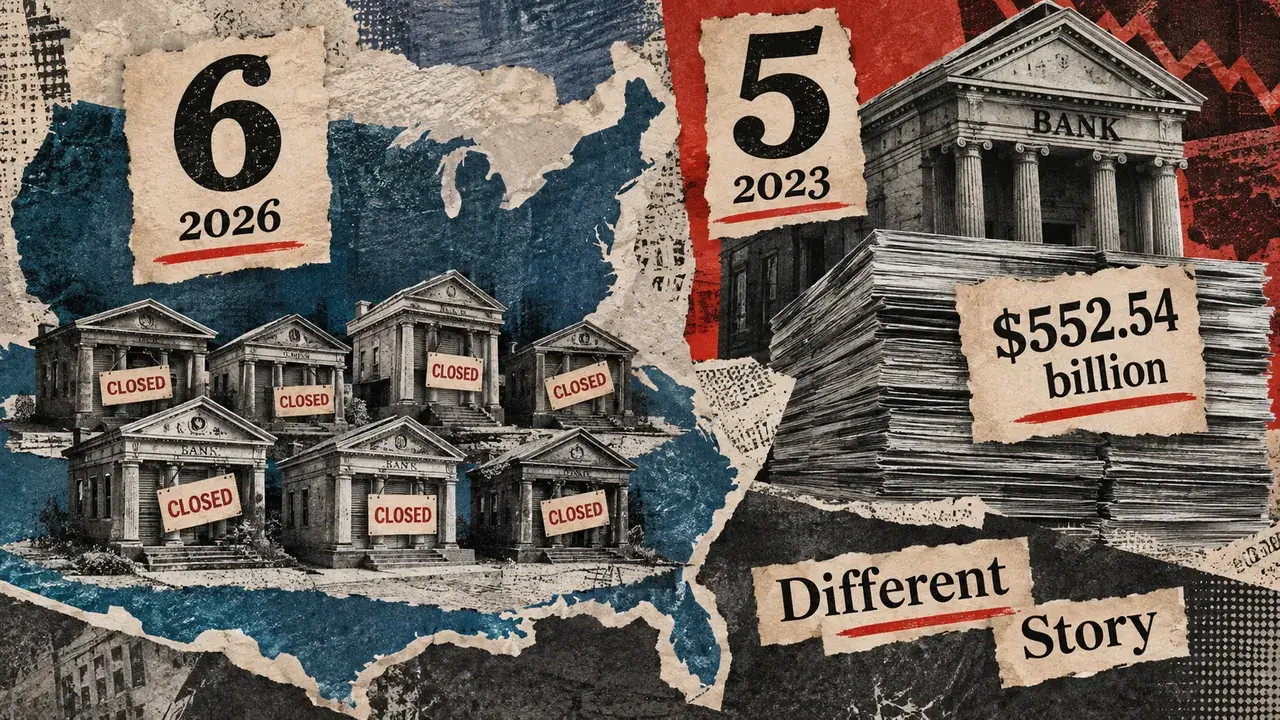
Six US Banks Have Failed in 2026, but They Held Only $1.43bn in Combined Assets
The banks that failed in 2023 held about $552.54bn. FDIC data also show a shrinking problem-bank list and higher industry profits this year.
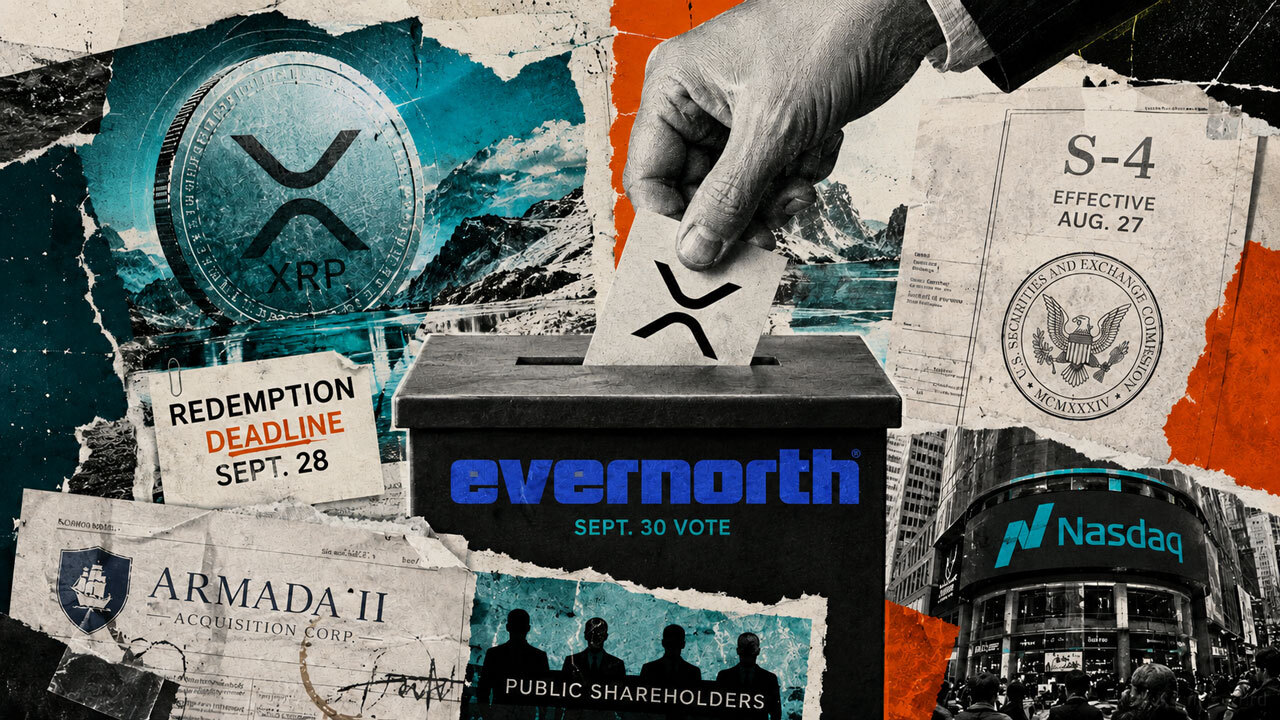
Evernorth's XRP Treasury Faces Nasdaq Merger Vote With Room for 10bn Shares
Armada shareholders vote on 30 September. The proposed charter allows far more stock than the deal needs, putting dilution at the centre of Evernorth's XRP-per-share goal.
Discussion
0 commentsNo comments yet — be the first to weigh in.