The Trade War Reaches the Bathroom Shelf
The US imports $328m of Canadian toilet paper a year and uses more of it than anyone. Tariffs of 25-50% start on 8 September.

Using the bathroom is about to become more expensive in North America, as the United States and Canada enter a full trade war that threatens decades of largely frictionless commerce between them.
After negotiations collapsed last weekend, Canadian Prime Minister Mark Carney vowed to match US tariffs "dollar for dollar" and published a list of nearly 900 American goods facing tariffs of 25% to 50% from 8 September.
Why paper is among the worst hit
Paper products sit near the top of the exposure list. Canada is threatening tariffs of between 25% and 50% on "toilet paper or face tissue stock" in retaliation for a 50% increase imposed by Washington.
The vulnerability is structural rather than incidental. American toilet paper and tissue is often manufactured domestically, but it depends heavily on lumber-rich Canada for raw material. Procter & Gamble, which owns Charmin, said last year it would have to raise prices under tariffs then in force.
The US imported $328m of toilet paper from Canada in 2024, according to the World Bank, making Canada by far the largest supplier. Retailers including Costco source much of their paper stock there.

The consumption gap
The exposure is amplified by an unusual national habit. The United States accounts for more than 20% of global tissue consumption while holding about 4% of the world's population.
The average American uses 141 rolls of toilet paper a year, narrowly ahead of Germans at 134. A tariff on an input to a product consumed at that intensity passes through to households quickly and visibly, which is exactly the property that makes it useful as a retaliatory target.
Liquor, and the legal argument it produced
Paper is not the only category moving. US tariffs are hitting Canadian liquor, including the whiskey brands Crown Royal and Canadian Club, currently facing a 50% rate.
Canada has not imposed a tariff on American liquor, but most provinces introduced their own bans on American alcohol in retaliation for earlier rounds — and Trump cited those province-wide bans as part of his legal justification for the new tariffs.
That is a notable escalation mechanism. Provincial liquor boards are sub-national commercial bodies, and their purchasing decisions have now been folded into a federal trade dispute as evidence of discrimination.
Carney has asked provincial leaders to consider returning American liquor to the shelves. Whether that would change anything is uncertain: as Nova Scotia premier Tim Houston told CBC News, the question is whether Canadians would actually buy it.
The deeper point
The dispute is illustrating how integrated the two economies became during the period nobody was arguing about it. A roll of toilet paper made in an American mill from Canadian pulp, sold by a retailer sourcing across the border, is not obviously an import or a domestic product — and the tariff schedule has to decide anyway.
Consumers on both sides are now discovering how many everyday items have that structure, one price rise at a time.
More from peatpost

Denmark’s CPR Breach: How a Security Failure Exposed 8.8 Million People and Shook the Nation’s Digital Trust
Hackers accessed names, addresses, and CPR numbers of 8.8 million people in Denmark’s national registry. The breach has reignited fears over data security and national digital infrastructure.
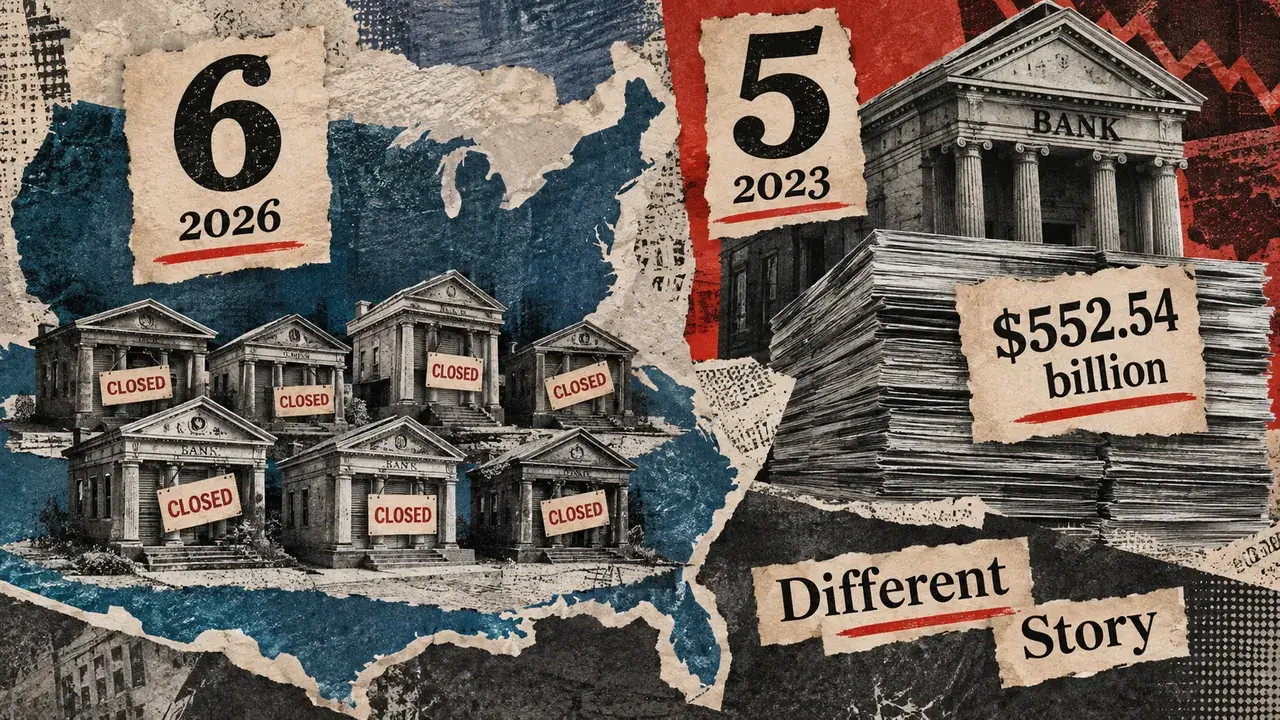
Six US Banks Have Failed in 2026, but They Held Only $1.43bn in Combined Assets
The banks that failed in 2023 held about $552.54bn. FDIC data also show a shrinking problem-bank list and higher industry profits this year.
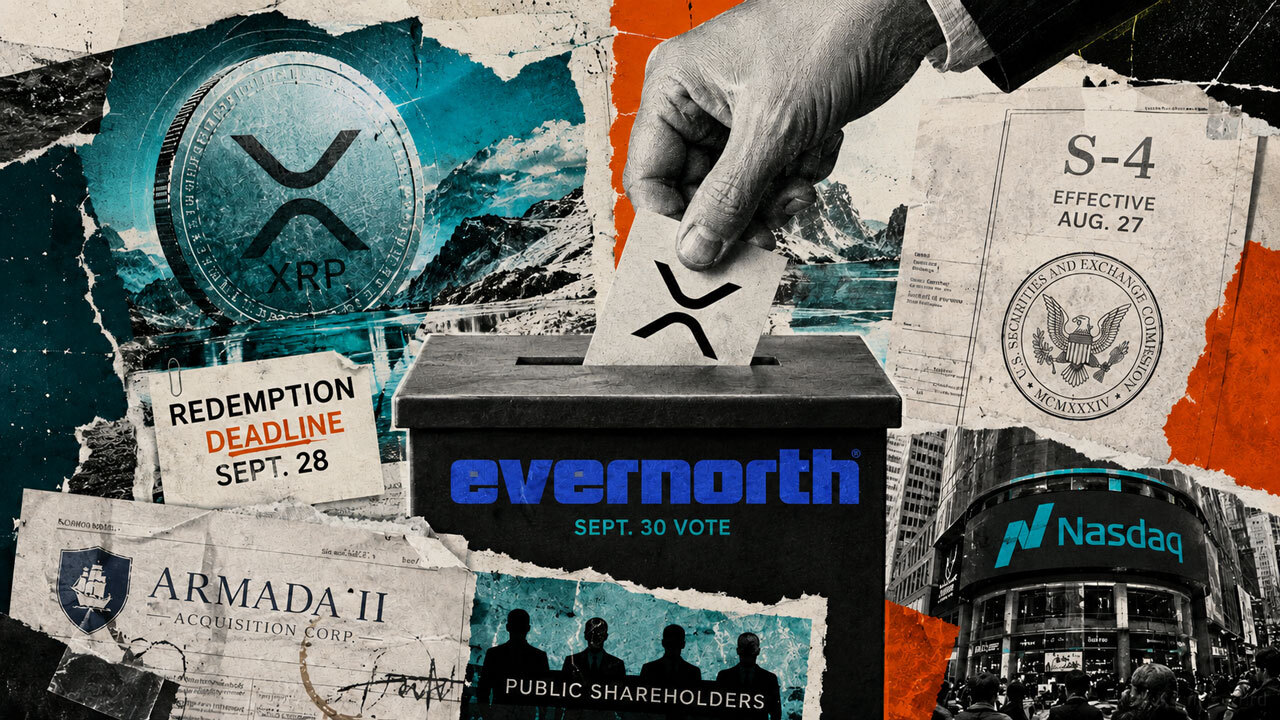
Evernorth's XRP Treasury Faces Nasdaq Merger Vote With Room for 10bn Shares
Armada shareholders vote on 30 September. The proposed charter allows far more stock than the deal needs, putting dilution at the centre of Evernorth's XRP-per-share goal.
Discussion
0 commentsNo comments yet — be the first to weigh in.