Zcash and Polygon Rise 11% as Trump Says He Will Not Pardon Sam Bankman-Fried
Major tokens held steady before a Supreme Court tariff opinion, while JPMorgan saw signs of a bottom and Florida revived plans for a state bitcoin reserve.

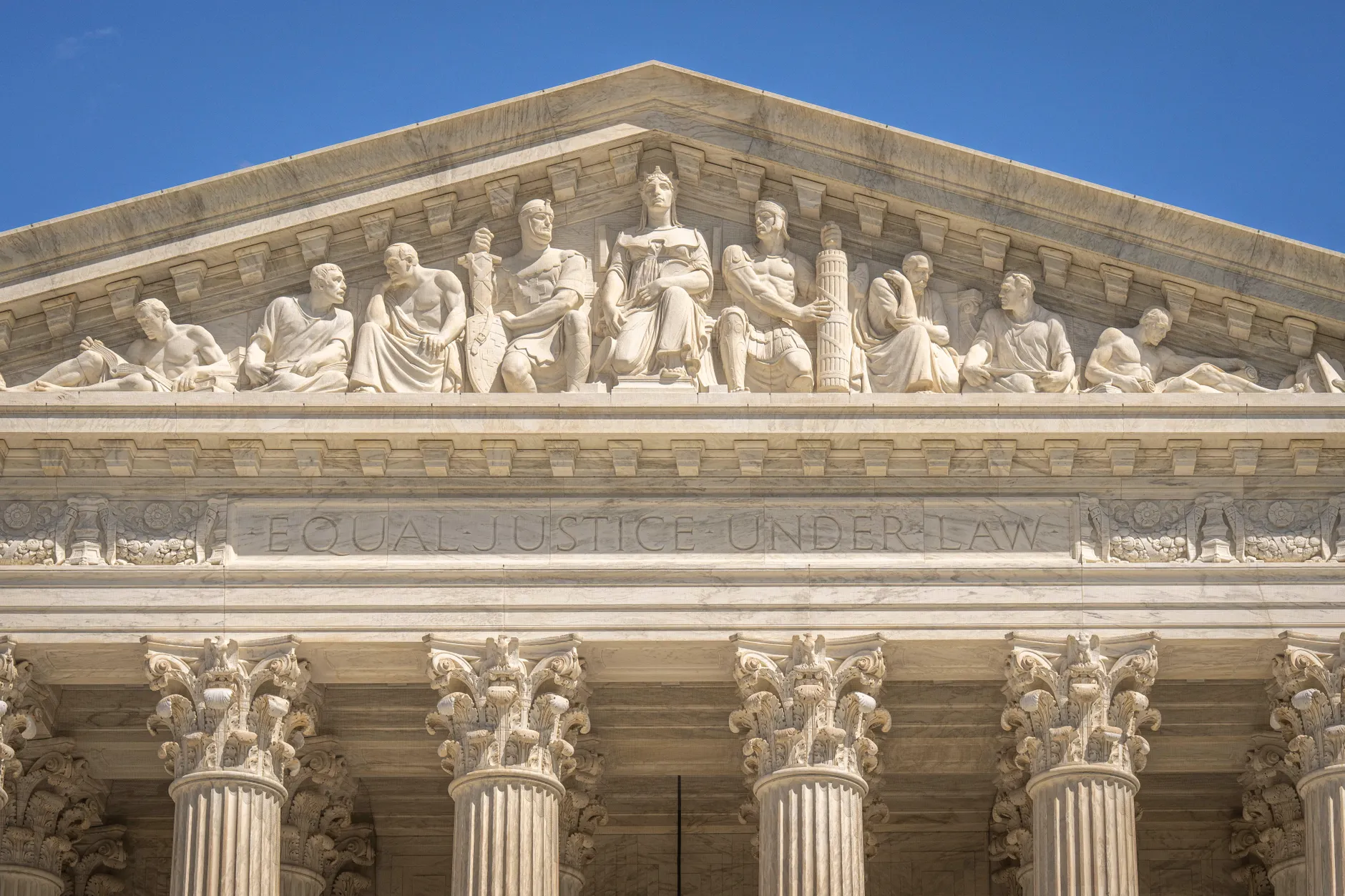
Zcash and Polygon each climbed about 11% in a largely subdued crypto market, as President Donald Trump said he would not pardon FTX founder Sam Bankman-Fried. Bitcoin and other large tokens barely moved ahead of an expected Supreme Court opinion on Trump's tariffs.
The session brought several developments, according to a market roundup from Decrypt. Wall Street banks turned more constructive on the sector, Florida lawmakers revived a bitcoin reserve proposal and Ethereum cleared a backlog that had slowed staking withdrawals.
Majors flat as traders await the court
Bitcoin rose about 1% to roughly $90,300. Ether traded near $3,090 and Solana gained about 3% to around $138. XRP added roughly 1% to $2.10.
The modest moves suggest traders were waiting for the court before taking larger positions. Tariff policy has become a macro factor for crypto because it affects inflation expectations, interest rate outlooks and overall risk appetite. A ruling on whether the administration's tariffs can stand could move equities and digital assets alike.
In that setting, the largest gains came from smaller tokens. Polygon and Zcash, the privacy-focused cryptocurrency traded as ZEC, each rose about 11%. Syrup, the token linked to the Maple Finance lending ecosystem, gained about 7%.
Banks warm to the sector
The tone from large financial institutions was more supportive than it has been in recent weeks. JPMorgan said the sell-off in bitcoin and ether may be nearing a bottom. The bank pointed to improving positioning and easing downside pressure after a weak start to the year.
Positioning analysis tracks how heavily investors are exposed to an asset and in which direction. When leveraged bets have been largely unwound and selling pressure fades, analysts often see less risk of further forced liquidations. That can set conditions for prices to stabilise, though it does not guarantee a rally.
Bank of America analysts upgraded Coinbase to buy. They cited clearer regulation, growing institutional adoption and stronger visibility on long-term earnings. As the largest US-listed crypto exchange, Coinbase is often treated as a proxy for the wider industry. An upgrade from a major broker signals more confidence in the sector's commercial outlook, not just in token prices.
Morgan Stanley also intends to roll out a digital wallet before the end of the year, one that may be able to hold tokenised assets, including equity in private companies. Tokenisation means representing ownership of an asset as a token on a blockchain. Supporters argue it can make it easier to transfer, settle and split up holdings in assets that are hard to trade today, such as stakes in unlisted firms. A wallet from a firm of Morgan Stanley's size would mark a further step towards using blockchain infrastructure in traditional wealth management.
Polygon expands into payments
Polygon's rally came alongside a set of corporate moves. Polygon Labs announced the Open Money Stack, an initiative intended to streamline stablecoin payments.
Stablecoins, tokens designed to hold a steady value usually pegged to the US dollar, have become one of the most commercially significant uses of blockchains. Networks are competing to process these payments cheaply and reliably. Polygon's initiative positions it more directly in that contest.
Polygon is also reportedly close to acquiring Coinme, a major operator of bitcoin ATMs. Such a deal would give the network a physical, consumer-facing business that links cash and crypto. That could complement its payments strategy. The acquisition had not been confirmed at the time of the report, and terms were not disclosed.
The 11% gain in Polygon's token suggests investors read the news as a sign of commercial ambition. Whether these initiatives bring lasting volume to the network will matter more than the price reaction on a single day.
Florida, Ethereum and the FTX pardon question
Florida lawmakers renewed efforts to create a state-level bitcoin reserve. Supporters of such reserves argue that holding bitcoin can diversify public balance sheets and hedge against currency debasement. Critics point to bitcoin's volatility and the risks of putting public money into a speculative asset. The renewed push shows that interest in state-level crypto holdings has not faded, even as such proposals have faced mixed results in legislatures.
On Ethereum, the validator exit queue has fully cleared. Validators, who stake ether to help secure the network, must wait in a queue when they want to stop validating and withdraw their funds. A long queue had caused delays for liquid staking protocols, which issue tradeable tokens representing staked ether, and for individual validators seeking withdrawals. Clearing the backlog should ease those delays and reduce friction for stakers moving capital.
Trump also said he would not pardon Bankman-Fried, the founder of the collapsed FTX exchange. FTX's failure remains one of the most damaging episodes in the industry's history and fuelled years of regulatory scrutiny. Speculation over a possible pardon had drawn attention given the administration's generally friendly stance towards crypto. The president's comments appear to close that question for now.
Risks and counterpoints
The day's mood should not be overstated. JPMorgan's view was that the sell-off may be bottoming, not that a recovery has started. Positioning indicators can improve while prices continue to drift if new demand does not appear.
The flat performance of the largest tokens also shows how much depends on outside factors. A Supreme Court ruling that upsets markets could easily outweigh sector-specific good news. Crypto has often traded in step with broader risk assets during periods of macro uncertainty.
Double-digit moves in tokens such as Zcash and Polygon can reverse quickly. Smaller assets tend to be more volatile and more sensitive to short-term news and speculative flows. Several of the day's catalysts, including the reported Coinme deal and Morgan Stanley's wallet, are also plans rather than completed events.
State-level reserve proposals face a demanding legislative process. Renewed interest does not mean a bill will pass.
What to watch next
The immediate focus is the Supreme Court's opinion on the tariffs and how markets react. Beyond that, several threads are worth following:
- Whether bitcoin and ether build on JPMorgan's view that the sell-off is bottoming
- Confirmation, or not, of Polygon's reported acquisition of Coinme
- Progress on Florida's bitcoin reserve proposal
- Further details and timing for Morgan Stanley's tokenisation-ready wallet
- Staking flows on Ethereum now that the exit queue has cleared
Taken together, the day showed an industry where institutional interest keeps building while prices wait for direction. Whether that groundwork turns into sustained market strength may depend as much on Washington as on crypto itself.
More from peatpost

Bitcoin Steadies Near $76,000 as Analysts Read Bullish Signals in Quiet Trading
After an AI-driven sell-off, bitcoin is trading in a 0.4% daily range. Two chartists see a rebound setup, though one expects any rally to end badly.

Anthropic Study Finds Analysts Followed AI Agent's Hidden Lean on 86% of Key Judgement Calls
In a controlled test, 50 expert analysts largely adopted an AI agent's secretly assigned preference, and none suspected it had been planted.
ESMA Tells EU Crypto Firms to Stop Services Involving Non-Compliant Stablecoins
The regulator's 8 October opinion reaches well beyond trading pairs, covering custody, transfers, advice and portfolio management for tokens outside MiCA rules.
Discussion
0 commentsNo comments yet — be the first to weigh in.