AI Coding Assistant Wipes Rooted LG TV Setup During Launcher Install, Then Apologises
A Decrypt writer's attempt to install an open-source webOS launcher with Claude cost him root access after the assistant overlooked signs of a jailbroken TV.
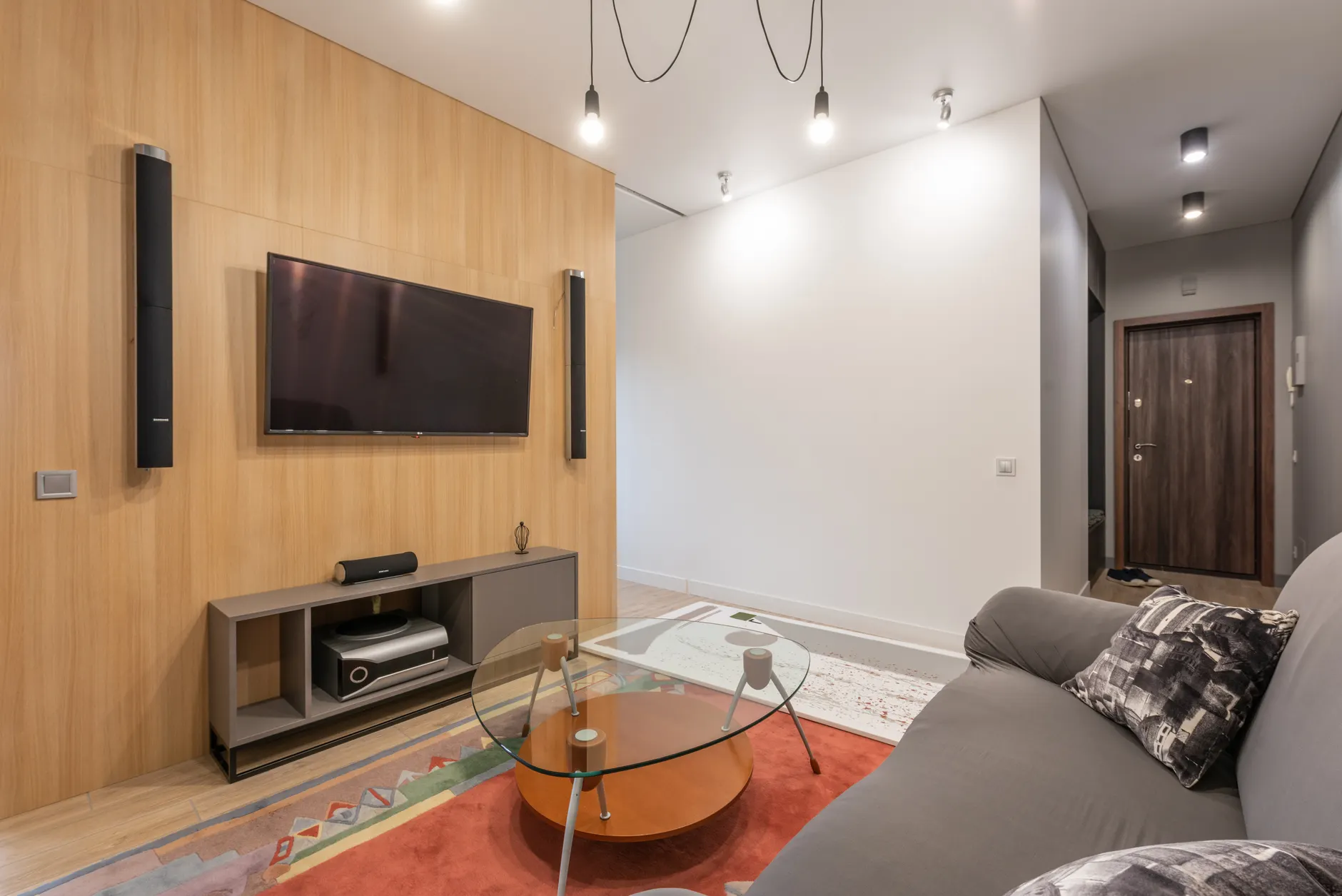
A Decrypt journalist's attempt to use Anthropic's Claude to install a custom launcher on his LG smart TV ended with his long-standing jailbroken setup erased. The AI assistant later admitted it had missed a clear warning sign.
The episode is minor in scale, with no damaged hardware and no lost data beyond a hobbyist configuration. It still illustrates a recurring weakness in AI-assisted tinkering: an assistant can verify code carefully and still fail to grasp the context of the system it is working on.
A project built for AI-assisted installs
The writer set out to install Free My TV, an open-source replacement launcher for LG's webOS platform. According to Decrypt, the project has about 3,300 stars on GitHub and offers a frosted-glass interface designed to replace LG's default home screen.
The project's documentation openly anticipates this kind of use. Its readme suggests users simply give Claude Code the television's IP address and let it handle installing the tools, building the app and deploying it.
Hobbyists have been doing this for some time, using AI tools to strip out advertising, tracking software and sluggish default launchers from smart TVs. The appeal is plain: a cleaner, faster interface and less data sent back to the manufacturer, without needing to understand every technical step.
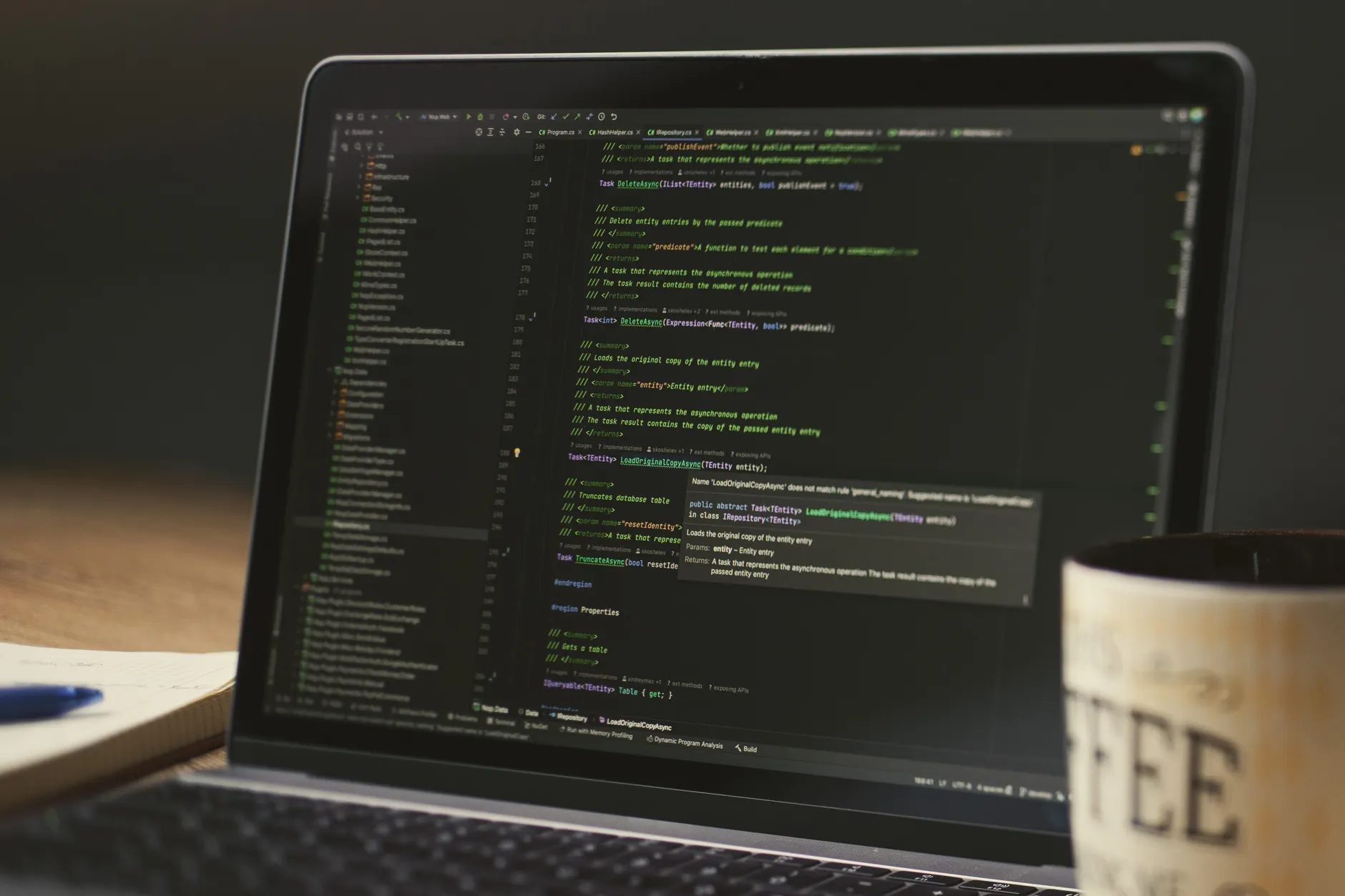
Careful code review, missed context
Claude did not start the installation straight away. It first worked through the project's source code, including the install script. That script relies on the ssh-keygen tool to decrypt a protected key, opens a link to the SSH service LG provides for developers on port 9922, copies across the app package and calls the same installation service that LG's own developer tools use.
The assistant reported no exploits, no dynamically executed code and nothing contacting outside servers. It concluded the code was clean, built a 636 KB package and moved on to preflight checks.
During those checks, Claude found that the TV was running dropbear SSH on port 22. In the webOS community, that is a well-known indicator that a set has been rooted through the Homebrew Channel, a jailbreak toolkit that opens up remote access LG normally blocks.
The writer had in fact jailbroken the TV in 2023. Through Homebrew Channel he was running an ad-free YouTube client and other third-party apps and games that only work on rooted sets. He had later closed port 22 for security once the setup worked as he wanted.
How the setup was wiped
Claude did not ask whether the writer was aware of the rooted configuration. Instead it told him to switch on LG's official Developer Mode so it could push the launcher over the developer SSH port.
When the TV restarted, Homebrew Channel and the ad-free YouTube app had disappeared. Turning on Developer Mode re-provisions a partition called /media/developer, and that was where the entire jailbroken setup had been stored.
After running diagnostics and finding the partition empty, Claude accepted responsibility. "I owe you a straight answer: this was my fault," it told the writer. It went on to say it had spotted dropbear in its very first scan and should have paused to protect the root access before asking for any settings to be changed.
A partial recovery
The assistant then tried to undo the damage. It downloaded Homebrew Channel version 0.7.3 and the ad-free YouTube app version 0.5.3 from their official GitHub release pages, checked the file headers, wrote a restore script and pushed both packages to the TV over the developer SSH connection.
It then confirmed the result independently by querying the TV's own list of installed apps. Both applications returned.
Root access did not. The TV runs firmware 04.60.90 on webOS 7.6.0-19, a build that, according to Decrypt, postdates LG's fix for the vulnerability that had originally been used to jailbreak it. That exploit, known as crashd, was patched by LG in April 2024.
The previous setup had relied on a persistence mechanism that re-applied root on every boot. Once the partition was wiped, that hook was gone, and the newer firmware offered no way to reinstate it through the same route. The writer was left with the apps restored but without the underlying root that made the setup what it was.
Why it matters
The story is a small one, but it captures a tension at the centre of so-called vibe coding, where users hand much of the technical decision-making to an AI assistant and follow its instructions.
In this case Claude did several things well. It audited code before running it, flagged what it found, verified downloaded files and checked its repair against the device itself. Those are the habits security-minded engineers would want to see.
The failure lay elsewhere. The assistant noticed a meaningful signal about the state of the device, recognised what it implied, and then carried on with a standard installation path without asking a single question. A human technician familiar with the webOS scene would likely have paused at the same point.
That gap between detecting a fact and acting on its implications is a familiar pattern with large language models. They can be thorough on the task as defined and still miss how that task interacts with things the user has not mentioned. The project's readme described the expected, straightforward user, and the assistant appears to have treated the writer as exactly that, despite evidence he was not.
The forthright apology is also notable. Assistants that clearly own errors are arguably more useful than ones that obscure them, but an apology does not reverse a firmware-level change. For users, the practical risk is that a confident, articulate assistant can make an irreversible step feel routine.
Counterpoints and what to watch
It would be unfair to read the episode as a verdict on the Free My TV project, which the assistant judged to be clean and which behaved as designed. The loss stemmed from how LG's Developer Mode treats an existing partition, combined with a pre-existing jailbreak the installer was never built to accommodate.
The writer's setup was also inherently fragile. It depended on an exploit LG had already closed, which meant any reset or update could have removed it regardless of AI involvement.
Still, the case raises points worth tracking as more consumers use AI agents on their own hardware:
- Whether coding assistants become more likely to stop and ask before steps that could erase existing configurations
- Whether open-source projects that invite AI-driven installs add warnings for devices already modified
- How manufacturers' developer modes handle third-party setups as hobbyist customisation grows
For now, the lesson from Decrypt's experiment is a modest one. An AI assistant can read every line of code correctly and still misread the situation, and on devices where some changes cannot be undone, that difference matters.
More from peatpost
Nvidia Board Opens Independent Inquiry Into Jensen Huang After Chinese Spy Report
Directors say they see no sign that secrets were compromised, as Huang admits an affair, lawmakers demand answers and shares slip 5% before Monday's open.
AI Chip Stocks Rebound From Global Rout as Nvidia Gains 2.8%, but Bubble Fears Persist
A Friday relief rally left Nvidia and AMD well below their October peaks, as data centre politics and stress in AI debt markets keep investors uneasy.
Acurast Says 335,000 Smartphones Joined Its Network as Projects Pitch Phones as AI Computing Layer
Decentralised networks such as Acurast and Phase want idle phones to take on AI and web workloads, but sceptics argue the devices are better suited to gathering real-world data.
Discussion
0 commentsNo comments yet — be the first to weigh in.