Hobbyists Boot Apple's iOS on Android Phones as Viral Demo Passes 2 Million Views
Early builds reach the iPhone home screen on Redmi and Poco handsets, but Wi-Fi, audio and graphics acceleration are missing and installs leave security largely disabled.
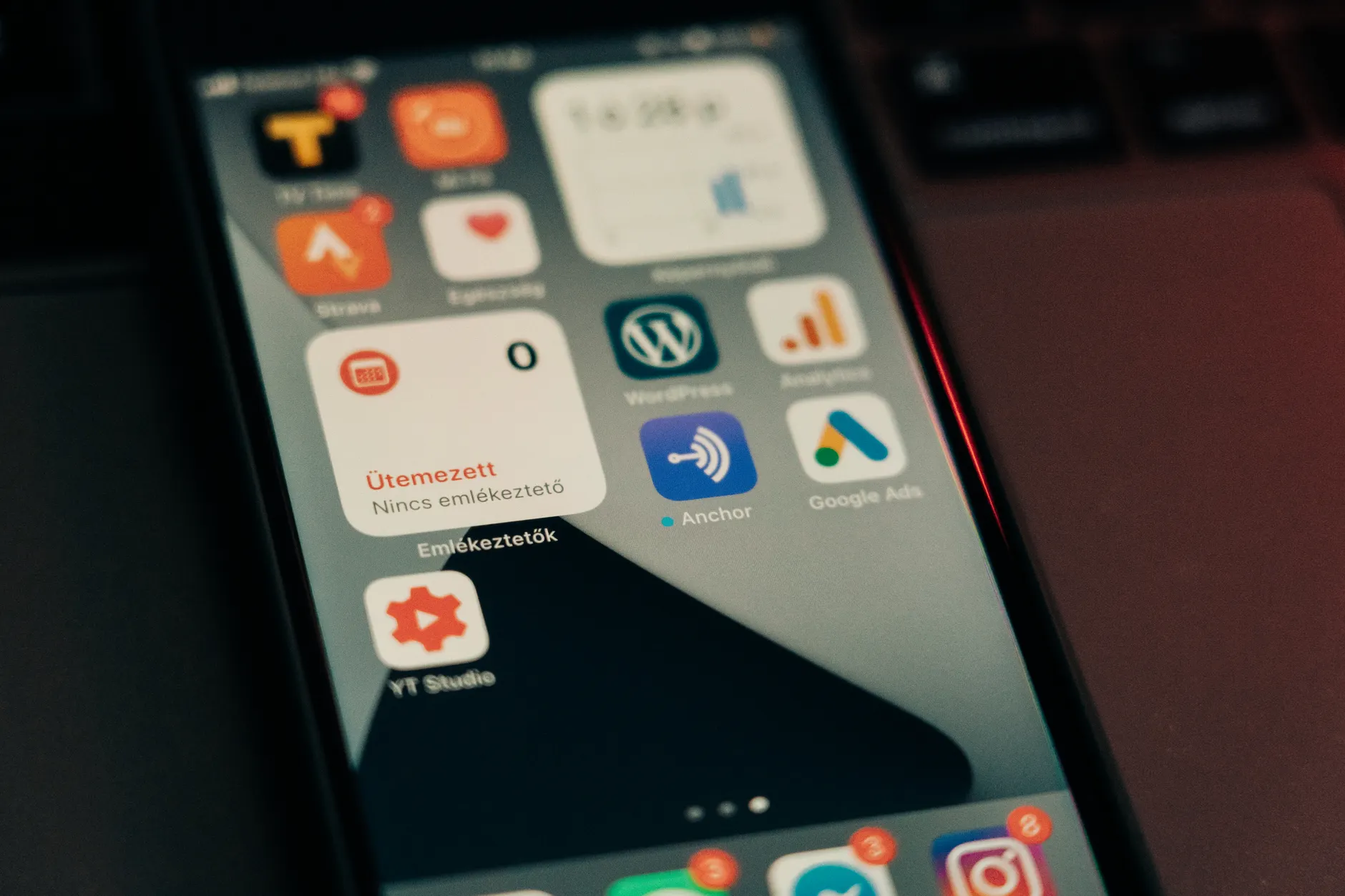
Independent developers have begun booting Apple's iOS on Android smartphones, reversing a long-standing pattern in which hobbyists have only managed to put Android on iPhones. Video clips of the experiments are circulating widely, with one showing iOS 16 on a Redmi Note 12 drawing more than 2 million views on X, Decrypt reported.
The builds are rough and far from usable as everyday phones. But they mark a technical first, and they arrive as AI-assisted tools are making it faster for individuals to pull software apart and rebuild it for hardware it was never designed for.
What has been shown so far
Several separate efforts are in circulation. Alongside the Redmi Note 12 clip, another developer has posted a build running on a Nothing 3a, according to Decrypt.
The most concrete publicly available work is an open-source project hosted on GitHub called ios-sweet, which targets the Redmi Note 10 Pro. It starts from XNU, the kernel that Apple publishes openly, and modifies it to run on the phone's Qualcomm Snapdragon 732G processor. Unaltered system files from iOS 16.7.16, taken from an iPhone X, are then layered on top.
A second group, going by the name OOSexGang, claims that a Poco X5 Pro can boot iOS 16.5 through its HackiOS project. That effort reportedly relies on a custom UEFI, the firmware layer that starts a device, combined with the XNU kernel. The researcher who shared the demonstrations on X has noted that there is no public source code for HackiOS and that its claims have not been independently verified.
In a post dated 16 October, the same researcher said the HackiOS team was attempting a full code rewrite, was in a final polishing stage and intended to release the project free of charge, without paid tiers. A later clip, posted on 19 October, showed Safari on the Poco device downloading an Android app package from APKMirror and then failing to open it. That outcome is unsurprising: iOS has never been able to run Android apps natively.
The technical reality behind the clips
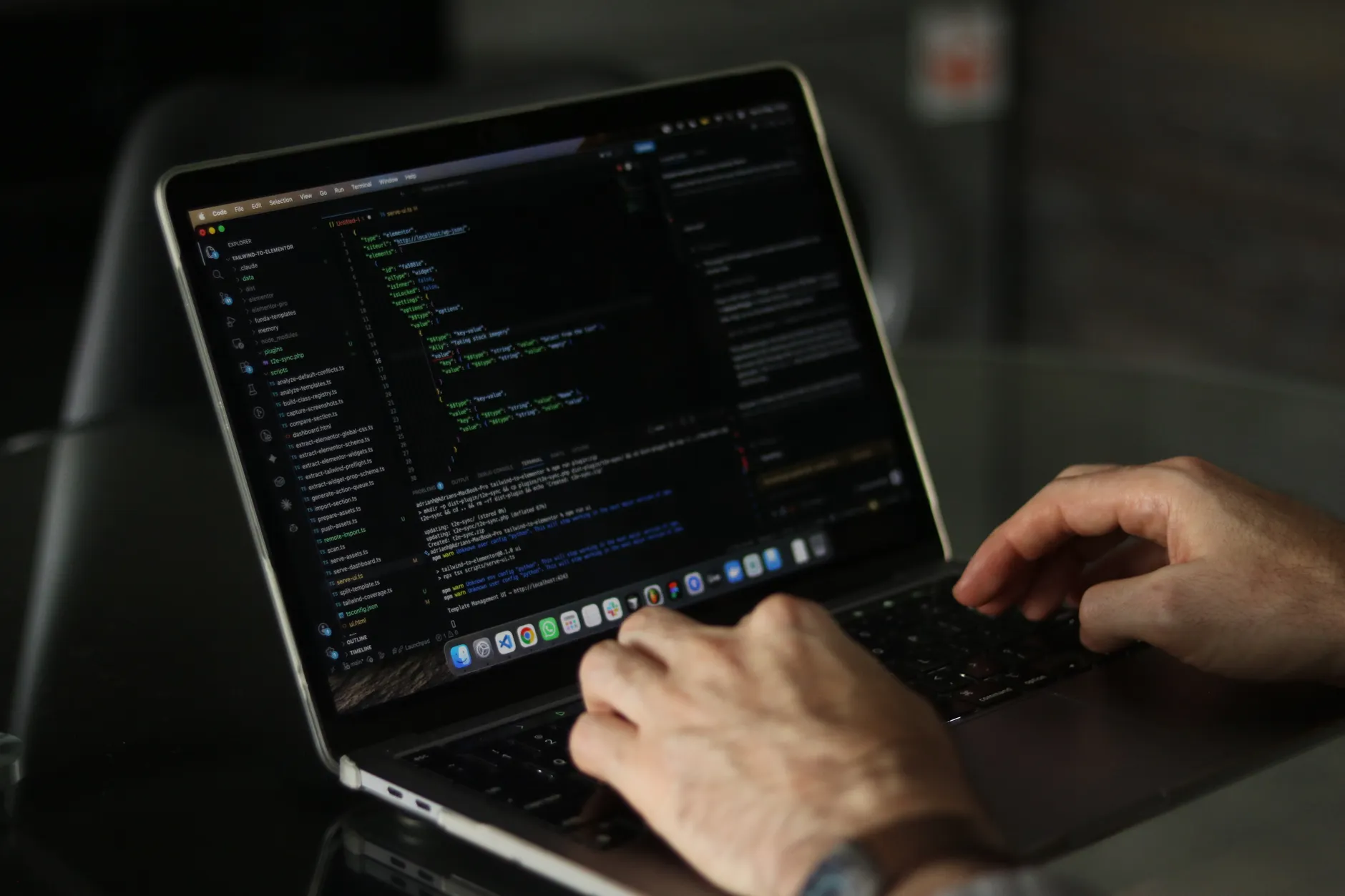
The developers behind ios-sweet are candid about the limits of their work. The project's readme describes it as an "experimental bring-up, not a usable phone OS".
On the Redmi Note 10 Pro, the build reaches the lock screen, the home screen, Control Center and Settings. Touch input and the physical buttons respond. Beyond that, most of what makes a phone useful is absent:
- Wi-Fi, Bluetooth and mobile data do not work
- Audio and the camera are non-functional
- The swipe gesture to leave an app does nothing
- With no graphics driver, the main processor renders the screen at roughly 20 to 30 frames per second
- The first boot sits on the Apple logo for four to five minutes
The missing graphics driver illustrates the core difficulty. An operating system kernel handles communication with the chip, memory and storage, but each component in a phone, from the modem to the camera sensor to the graphics unit, needs its own driver. Apple writes those drivers only for its own silicon. Recreating them for Qualcomm hardware is painstaking work, which is why basic functions such as networking and sound remain out of reach.
In practical terms, the ceiling for now is being able to look at, and tap around, the iOS home screen.
Why the experiment matters
iOS is engineered to run solely on Apple's hardware, and Apple has built its business around that tight pairing. For consumers, picking a phone has traditionally meant picking its operating system too, and vice versa. The Android ecosystem is more fragmented, but devices are still generally tied to the software they ship with.
If that boundary weakens, inexpensive or ageing handsets could in principle run software their manufacturers never offered. That prospect is what gives these otherwise impractical demonstrations their appeal, even if the distance between a home screen demo and a working phone is very large.
The direction of travel is also notable. Android has run on iPhones before. A project called iDroid got early iPhones to boot Android in April 2010, and roughly a decade later the security firm Corellium launched Project Sandcastle, which brought Android 10 to iPhones using Apple's A10 chip. Until now, no one had publicly managed the reverse.
The asymmetry partly reflects the fact that Android is open-source and designed to be adapted to many devices, whereas iOS is closed and assumes the presence of Apple-specific hardware. That Apple publishes XNU openly gives developers a foothold, but only a partial one.
AI tools and a wider wave of tinkering
Decrypt links the surge in such projects to AI coding assistants, which allow developers to write, test and refine code far more quickly than before. Running software where it was never meant to run has become a popular pursuit as a result.
One tool cited as a catalyst is REA (Reverse Engineer Anything), a no-cost set of utilities enabling AI-powered coding helpers to take apart existing programs. Examples shared around it have included a developer's demonstration of GTA V running on iOS.
The same period has brought progress in jailbreaking. Days before the iOS-on-Android clips spread, the security firm Calif.io jailbroke an iPhone 18 Pro live on stage at the Hexacon conference in Paris, according to Decrypt, with the resulting root access persisting after a reboot. Jailbreaking strips away Apple's restrictions so that a user gains deep control over the device.
Taken together, these developments suggest that the barriers Apple relies on to keep its software and hardware locked together are being probed more aggressively, and more efficiently, than in previous years. Whether that translates into lasting, practical capabilities is a separate question.
Risks and caveats
Anyone considering trying these builds faces real downsides. Installing ios-sweet erases the Android user data on the phone, and leaves most security protections disabled. The developers themselves advise against storing anything personal on a device running it.
The absence of verification for some projects is another caution. HackiOS has been shown only through video clips shared on social media, with no source code available for inspection. Viral demonstrations can be selective about what they show, and claims of an imminent public release have not yet been tested.
There are also unresolved questions that the source material does not address, including how Apple might respond. The ios-sweet build depends on iOS system files taken from an iPhone, which differ from the openly published XNU kernel. Readers should treat the projects as research experiments rather than alternatives to buying a phone.
What to watch next
The most immediate test is whether HackiOS delivers on its stated plan of a free, open release, and whether independent developers can reproduce its results on the Poco X5 Pro. Public code would allow the wider community to assess how much of the demonstration holds up.
For ios-sweet and similar efforts, the key milestones are basic hardware support: a working graphics driver, networking and audio. Without those, the builds will remain curiosities. Progress on any of them would indicate that AI-assisted reverse engineering is narrowing the gap faster than many would have expected.
The broader trend, from on-stage jailbreaks to toolkits that let AI dissect software, is likely to continue putting pressure on the closed ecosystems that have defined the smartphone market.
More from peatpost
Nvidia Board Opens Independent Inquiry Into Jensen Huang After Chinese Spy Report
Directors say they see no sign that secrets were compromised, as Huang admits an affair, lawmakers demand answers and shares slip 5% before Monday's open.
AI Chip Stocks Rebound From Global Rout as Nvidia Gains 2.8%, but Bubble Fears Persist
A Friday relief rally left Nvidia and AMD well below their October peaks, as data centre politics and stress in AI debt markets keep investors uneasy.
Acurast Says 335,000 Smartphones Joined Its Network as Projects Pitch Phones as AI Computing Layer
Decentralised networks such as Acurast and Phase want idle phones to take on AI and web workloads, but sceptics argue the devices are better suited to gathering real-world data.
Discussion
0 commentsNo comments yet — be the first to weigh in.