SpaceX Secures $40bn GPU Lease Deal as Musk Predicts Shake-Out Among Neoclouds
An Apollo-managed entity will buy AI chips and lease them to SpaceX, while Musk warns that lenders are shutting out firms that rely only on data-centre income.
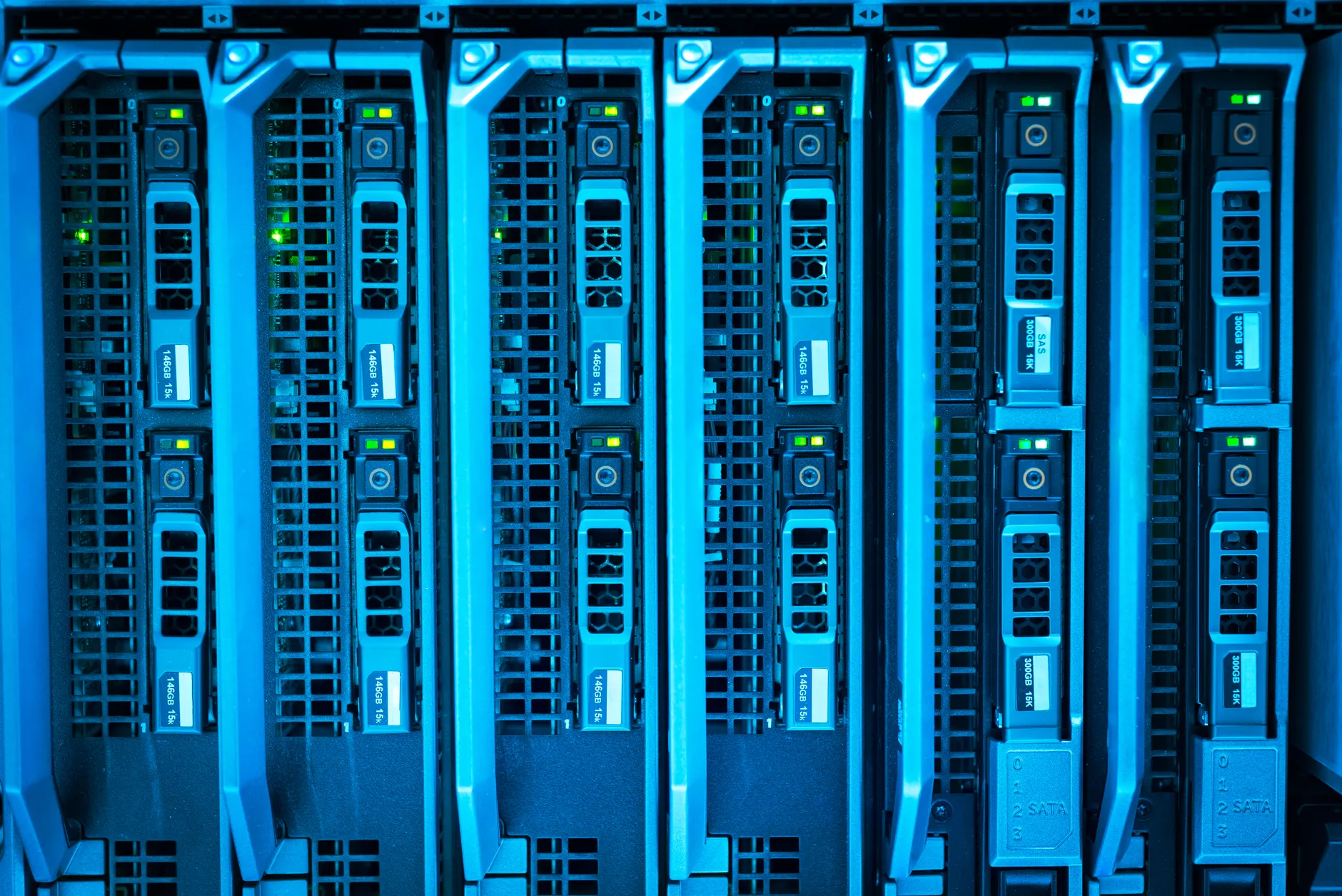
SpaceX has closed a $40bn financing arrangement to acquire AI chips for its data centres, and Elon Musk used the announcement to argue that credit has all but dried up for companies whose income depends on AI computing.
The deal, disclosed in a regulatory filing, will see an entity managed by Apollo Global Management buy graphics processing units and lease them to SpaceX, which absorbed Musk's AI company xAI in February, Decrypt reported.
How the financing is structured
Musk described the arrangement as debt, but the filing characterises it as a finance lease. In practice, that is a long-term rental that behaves much like a loan: the lessor owns the hardware, while the user pays for it in instalments over most of its useful life.
According to the filing, SpaceX would pay back roughly $40bn in principal through quarterly instalments over about five years. Interest will be charged at a fixed rate that has not yet been agreed.
The chips will be delivered in tranches, with the first leases beginning in the first half of 2027. SpaceX said it expects to finalise the master finance lease before the end of 2026.
Apollo's role reflects the growing weight of private credit in large technology financings. Rather than arranging loans through banks, firms of this kind lend directly to companies, often structuring deals around specific assets such as equipment.
Musk's warning on credit access
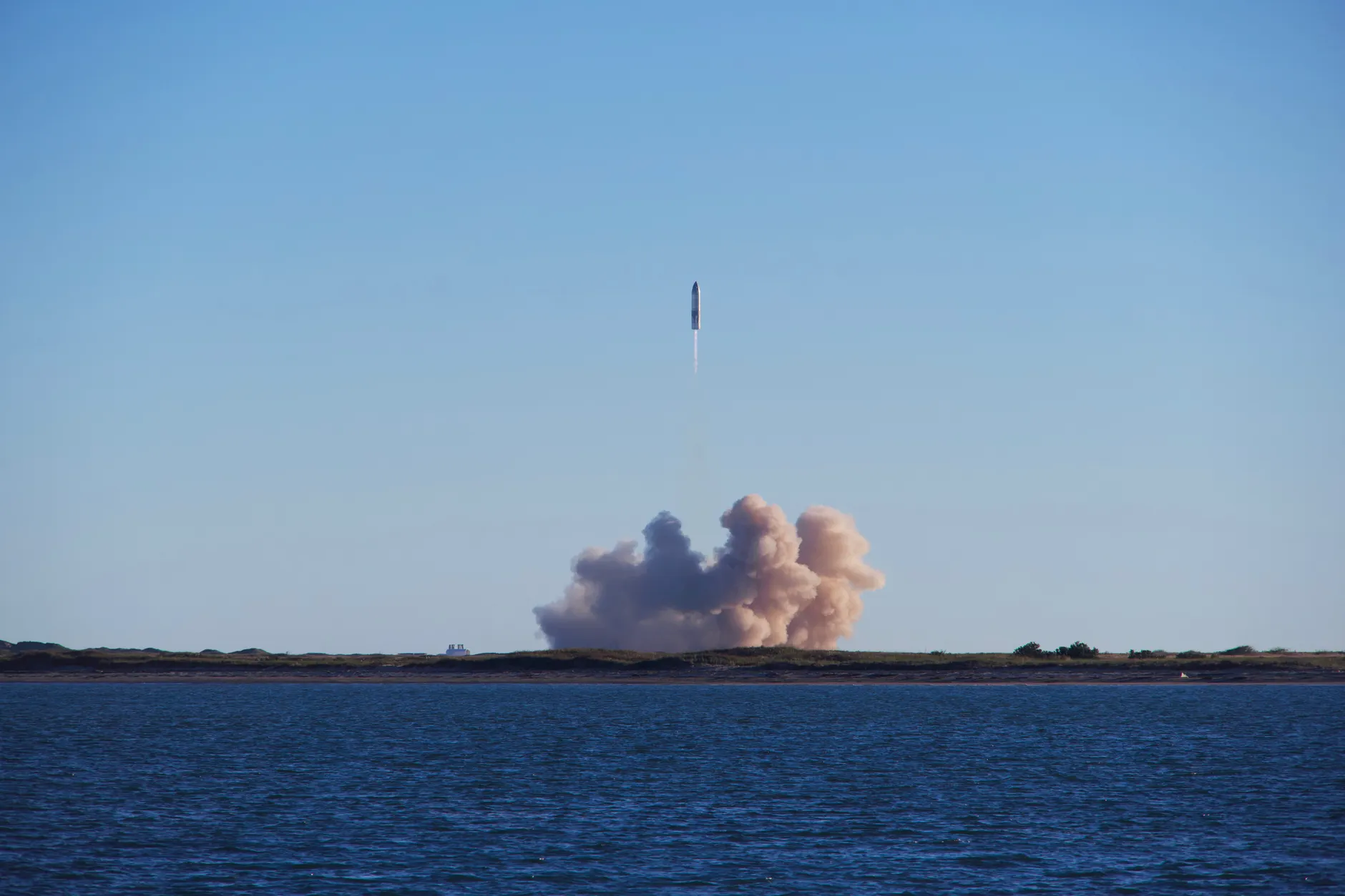
Musk said on X that over the past few weeks debt markets had almost completely closed to borrowers lacking significant revenue outside AI data centres. He suggested SpaceX had been able to raise the money because it holds an investment-grade rating and earns income from Starlink and its launch business.
An investment-grade rating signals to lenders that a borrower is considered unlikely to default. Moody's assigned SpaceX a Baa1 rating, which sits within that band, in June. Starlink, the company's satellite internet service, and its rocket launches generate cash that is unrelated to AI demand, giving lenders a source of repayment that does not depend on the economics of renting out chips.
Musk then turned to the specialist GPU rental providers known as neoclouds, of which he said there are more than 200. He predicted they would face "guppy-level death and consolidation", adding that only a small number would survive.
Pressure on CoreWeave and its peers
Neoclouds rent computing capacity to AI developers who do not want, or cannot afford, to build their own infrastructure. The largest of them, CoreWeave, started in 2017 by mining Ethereum with graphics cards and moved into AI after the network ended mining in 2022.
CoreWeave's shares dropped about 30% between 30 September and 16 October, sliding from $87 to $61. The company carries around $50bn of debt. In mid-October its unsecured bonds, which are not backed by any specific pledged assets, were yielding roughly 15%, meaning investors wanted about 15% a year to lend to it.
The central problem is a mismatch in timing. GPUs lose value quickly as newer generations arrive, while the loans used to buy them run for years. In the second quarter, CoreWeave recorded close to $1.4bn in depreciation and amortisation, the accounting charge reflecting the wearing out of hardware, against revenue of about $2.6bn.
That ratio illustrates why lenders have become wary. If more than half of revenue is consumed by the declining value of the equipment before interest and operating costs are counted, margins depend heavily on keeping rental prices high and utilisation full.
Sceptics see a glut ahead
Other prominent investors have voiced similar concerns. Ken Griffin, the founder of Citadel, told the firm's markets conference on 20 October that GPUs resemble airline seats: once the capacity exists, the cost of selling one more unit is close to zero, so prices can fall sharply if supply exceeds demand.
Venture capitalist Chamath Palihapitiya said on X that he expects more AI computing capacity to be left idle in 2027 than current forecasts assume. He pointed to delays in the existing build-out pipeline and predicted that the hyperscalers, the large cloud providers such as Amazon, Microsoft and Google, would prioritise their own internal computing needs over serving third parties.
Palihapitiya argued that much of the stranded hardware has already been purchased yet generates less income than its financing costs. In his view, that shortfall affects the whole industry bar one company, which he did not name. He described 2027 as likely to be a turbulent year that would flush out poor bets and leave a few players to consolidate.
Why it matters and the counterpoints
The SpaceX deal and the commentary around it highlight a widening divide in AI infrastructure finance. Companies with diversified, established income streams can still raise vast sums on comparatively favourable terms, while those whose business is renting out chips face higher borrowing costs or closed doors.
That divide could reshape the market. If smaller neoclouds struggle to refinance, their assets may end up in the hands of larger, better-capitalised operators, accelerating the consolidation Musk and Palihapitiya describe.
There are reasons for caution in reading the warnings, however. Musk is not a neutral observer: SpaceX now competes directly for AI computing resources and talent, and a weaker neocloud sector would not necessarily harm its position. His claim about the state of debt markets is an assertion made on social media rather than a documented survey of lending conditions.
The SpaceX financing also carries its own uncertainties. The interest rate has not been fixed, the master lease is not expected to be finalised until late 2026, and deliveries stretch into 2027. The same depreciation dynamics that weigh on CoreWeave apply to chips leased by SpaceX, even if the company's other businesses make repayment more secure.
What to watch next
Several markers will show whether the predicted shake-out materialises:
- The fixed interest rate eventually set on SpaceX's roughly $40bn of leases, as a gauge of what even investment-grade borrowers pay for GPU finance
- CoreWeave's share price, bond yields and the ratio of depreciation to revenue in coming quarters
- Whether other neoclouds announce refinancings, asset sales or mergers
- Signs of idle capacity or falling GPU rental prices heading into 2027
For now, the message from lenders, as Musk frames it, is that AI demand alone is no longer sufficient collateral. Whether that proves a temporary tightening or the start of a broader reckoning for the sector may become clearer as the first SpaceX leases begin in 2027.
More from peatpost
Nvidia Board Opens Independent Inquiry Into Jensen Huang After Chinese Spy Report
Directors say they see no sign that secrets were compromised, as Huang admits an affair, lawmakers demand answers and shares slip 5% before Monday's open.
AI Chip Stocks Rebound From Global Rout as Nvidia Gains 2.8%, but Bubble Fears Persist
A Friday relief rally left Nvidia and AMD well below their October peaks, as data centre politics and stress in AI debt markets keep investors uneasy.

Acurast Says 335,000 Smartphones Joined Its Network as Projects Pitch Phones as AI Computing Layer
Decentralised networks such as Acurast and Phase want idle phones to take on AI and web workloads, but sceptics argue the devices are better suited to gathering real-world data.
Discussion
0 commentsNo comments yet — be the first to weigh in.