Twitch Streamers Sue Amazon Over Using Their Broadcasts to Train AI
A class action on behalf of millions of streamers, who produced more than 215 million hours of content in the first months of 2026 alone.
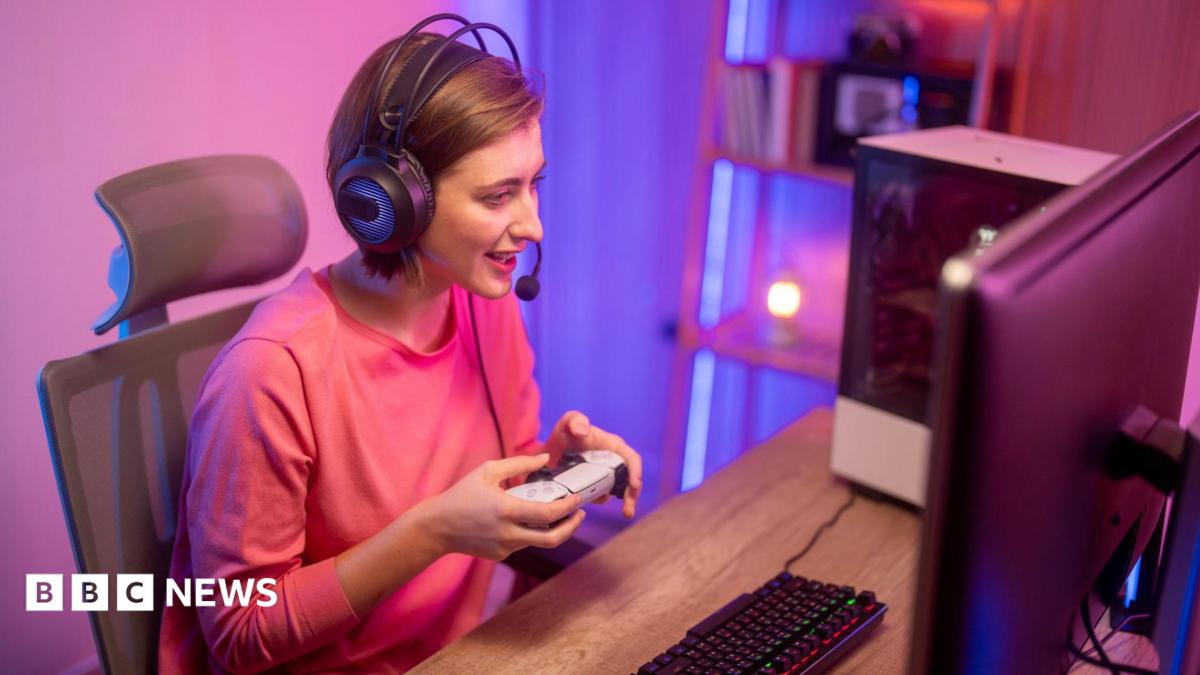
Amazon is facing a class action lawsuit over its decision to train AI models on videos broadcast by users of the streaming platform Twitch.
The move drew immediate backlash when it was announced in August, with users given the option to opt out if they did not want their data used this way. The suit, brought on behalf of millions of streamers, alleges that Amazon used their videos to train AI without permission or proper compensation.
The claim
The action was filed by Warren Pandiscia, a Connecticut-based streamer. It claims Twitch breached its contract with users by using their content as AI training data for Amazon's models without obtaining consent, and argues that streamers should not have their work commercially exploited to develop AI without permission or payment.
The scale involved is considerable. Streamers on the platform produced more than 215 million hours of content in the first few months of 2026 alone — a corpus of live, unscripted, multimodal video that would be extremely difficult to assemble by any other means.

Why opt-out is the pressure point
Amazon's position rests on having provided a mechanism to decline. The plaintiffs' position is that the default is the substance of the dispute.
Opt-out systems work by inertia, and everyone designing them knows it. A setting buried in an account menu, announced once, applied to years of already-published archives, will be exercised by a small minority — which is precisely why it is chosen over opt-in when the goal is to obtain a large dataset.
The legal question is narrower than the fairness question. It is whether the existing terms of service permitted this use, or whether extending them to AI training required fresh consent from users who agreed to something written before the use existed.
What makes this different from the text cases
Most AI training litigation so far has involved published works — books, articles, images — where the plaintiff is an author or publisher with a clear copyright interest.
A Twitch stream is a stranger object. It is a performance, often improvised, frequently featuring third-party video game footage, chat overlays and music, hosted on a platform whose terms already grant broad licences for distribution. Untangling who owns what in a six-hour broadcast is not trivial.
The relationship it strains
Beyond the law, this is a dispute between a platform and the people whose labour constitutes it.
Twitch has no product without streamers. Its terms grant it wide rights because hosting and distributing video requires them, and those rights were granted by people who understood the exchange as promotion in return for reach. Using the same archive to train a model that may eventually generate similar content is a different bargain, and one nobody was offered.
What the streamers are actually seeking
Class actions of this kind rarely end with the training being undone, because a trained model cannot be meaningfully un-trained on a subset of its data.
The realistic outcomes are money and terms: compensation for past use, and a contractual settlement governing future use — most plausibly a shift from opt-out to opt-in, or a revenue share for streamers whose archives are used.
That is why the case matters beyond Twitch. A negotiated price for platform-hosted user content would establish a reference point for every service sitting on a decade of uploads.
Amazon's position
The company will argue that its terms of service already granted the necessary licence, and that it went beyond its obligations by offering an opt-out at all.
That argument has succeeded before. Its weakness is that the terms were drafted for hosting and distribution, and courts have shown some willingness to read broad historic licences narrowly when a genuinely new use is claimed under them.
More from peatpost
The French Disruption: How Microsoft’s $3 Billion Bet on Mistral AI Is Rewriting the Rules of Artificial Intelligence
Microsoft invests $3 billion in Mistral AI. The startup’s performance surges 70%, challenging ChatGPT’s dominance.

Cato Institute Warns a Government AI Pause Would Shield Dominant Firms
Policy scholar Jennifer Huddleston argues voluntary safeguards beat a mandated halt, as Sanders and Casar push a pause and Jack Dorsey warns against rules built for incumbents.

The AI Industry Says You Have Months. It Did Not Say What It Will Do.
More than 100 companies set out a four-part plan for surviving AI-enabled attacks on hospitals and water plants — with no commitments, deadlines or funding attached to their own part of it.
Discussion
0 commentsNo comments yet — be the first to weigh in.